


Longo Toyota

#1 in the World since 1967*

Based on Toyota Motor Sales, USA 2025 Sales Report*
Based on Toyota Motor Sales, USA 2023 Sales Report*
Blog / Hybrid

How Long Does a Toyota Camry Hybrid Battery Last?

Toyota Hybrid Battery

Hybrid vehicles have been around for quite some time, but there still is some mystery surrounding batteries. Namely, how long these batteries can last. If you're wondering how long a Toyota Camry hybrid battery lasts, you're in the right place. Knowing what to expect from your hybrid battery will help you plan your vehicle's maintenance schedule and your budget for potential replacements, and enhance the value of your investment.

How Camry Hybrid Batteries Work

The Camry hybrid operates on an innovative dual-power system that combines a regular gas engine with an electric motor. The battery pack stores energy and releases it when needed. The system automatically decides whether to use electric power, gas power, or both. Regenerative braking converts kinetic energy into electricity, which is stored in the battery.

Temperature control is essential for battery health. The battery should stay under 110 degrees Fahrenheit to avoid heat damage. Since excessive heat accelerates battery degradation, built-in cooling fans, coolant pumps, and sensors are designed to maintain your vehicle's optimal temperature.

Toyota Hybrid Battery Lifetime and Types

Toyota uses two main battery types in its Camry hybrids. Although nickel-metal hydride batteries typically last between eight and ten years, are more affordable, and exceptionally reliable, they tend to be bulky and unable to store as much energy. Most Toyota hybrid vehicles use both nickel-metal hydride and lithium-ion batteries, depending on the specific model. Lithium-ion batteries are a relatively new technology and typically last between 10 and 12 years. While they're lighter, more powerful, and fit in smaller spaces, they cost more upfront and require advanced cooling systems to maintain optimal performance.

Signs Your Camry Hybrid Battery Is Failing

The warning lights on your dashboard serve as early warnings of potential issues. Yellow warning lights indicate minor issues such as outdated software or temporary diagnostic errors. Red warning lights suggest serious hybrid system faults that require immediate attention, potentially indicating battery pack failure or inverter malfunction.

You'll notice changes as the battery starts to decline. Some common signs include:

  • Poor performance
  • Slower acceleration
  • Slower engine response times
  • Check engine light coming on
  • More gas consumption

Some other signs? The battery charge indicator may act strangely, and your gas engine may run more often than usual. The hybrid system may also make strange noises, or the cooling fans may run all the time to keep the system cool. You know the usual noises of your ride, so if you notice any big changes, it's important to take your Camry Hybrid in for a checkup.

Extending the Life Span of Your Hybrid Battery

Regular maintenance significantly affects the longevity of your battery. It's recommended to clean your cooling fan every two or three years. Replacing the cabin filter every year or 15,000 miles can resolve many issues. You should perform a hybrid health check every 5,000 miles, check the battery cooling system regularly, and clean the filter every 20,000 miles or two years.

Heat poses a significant threat, especially in hot climates, as it accelerates the chemical reactions in lithium-ion batteries, thereby increasing battery wear and reducing longevity. Park your car in the shade or a garage whenever you can. If you have a plug-in hybrid, precondition the car while it's still plugged in, and avoid charging immediately after driving in hot weather.

Your driving habits also influence your battery life span. Keep your speed on the highway at a moderate level. Gentle regenerative braking can also help you recapture more energy lost through braking. When you can, try to avoid taking a lot of short journeys. Instead, use EV mode for slow, short trips to put less stress on the battery.

Batteries lose charge over time when they sit around, and that's still true when it comes to hybrids and EVs. Make sure to drive around to keep your battery primed and ready to go. Try to keep the battery charge between 20% and 80% as much as you can. Don't use fast charging too often, as this can put additional wear on your battery. If you won't be driving for a while, charge the battery only partially before you park.

Toyota Camry Hybrid Battery Replacement

Battery replacement requires professional installation and specialized diagnostic tools. Depending on how well you take care of your car and how you drive, you could need to change the battery between 130,000 and 155,000 miles. When you need to replace your car's battery, you have a few choices. Reconditioned batteries are a better choice for older cars because they can save you about 50% compared to new ones. New batteries last the longest and come with a comprehensive warranty. Remanufactured batteries are a good choice because they are both cheap and work well. 

Maximize Your Camry Hybrid's Potential at Longo Toyota

With proper care, regular maintenance, and professional service, your hybrid battery can potentially last well beyond 200,000 miles, providing excellent fuel efficiency and performance. If you're in El Monte, California, visit us for all your maintenance needs. Our expert technicians are well-versed in hybrid battery systems and can give your vehicle the specialized care it needs. When you're ready for professional hybrid battery service, maintenance, or replacement, contact us for expert guidance and genuine Toyota parts that keep your hybrid in optimal condition.

Mechanic Working with Car Engine by Daniel Andraski is licensed with Pexels License

Posted in:

Related Posts

pexels-photo-9216590

Most Fuel-Efficient Toyotas Ranked: 2025 Guide

With gas prices continuing to rise across Southern California, it's important to consider fuel efficiency when buying a new car. With its impressive range of hybrid options, from the highly efficient Prius to trucks and SUVs, Toyota stands out as offering great mileage without sacrificing reliability. In this guide, we rank all the 2025 Toyota models so you can find the ideal balance between saving money and getting the performance you actually need. more Complete 2025 Toyota Fuel Efficiency Rankings With its hybrid technology, Toyota's 2025 lineup offers opportunities for significant savings on gas. The front-wheel-drive (FWD) Prius LE stands out with 57 mpg combined, while the all-wheel-drive (AWD) version still manages to reach 54 mpg combined. Toyota's sedans also offer excellent efficiency. The Camry Hybrid LE reaches 51 mpg combined, while the Corolla Hybrid LE and XLE both get 50 mpg combined. In the middle of the pack are the Crown XLE, Limited, and Nightshade, all at 41 mpg combined, and the RAV4 Hybrid at 40 mpg combined. If you're looking for a family SUV, the FWD Grand Highlander Hybrid XLE manages 36 mpg combined, and the Highlander Hybrid hits 35 mpg combined. Across the lineup, hybrid versions beat their gas counterparts significantly. For example, the RAV4 Hybrid and the Highlander Hybrid both beat their non-hybrid counterparts by 10 mpg. Toyota Prius: The Fuel Economy Champion When it comes to fuel economy, the Prius dominates the competition. With its 16-inch wheels, the FWD LE trim hits an EPA rating of 57 mpg combined (57 mpg city/56 mpg highway). Due to their bigger 18-inch wheels, which weigh more and need extra energy to spin, the FWD XLE and Limited models drop to 52 mpg combined. Starting at approximately $28,350, the standard Prius produces 194 (FWD) or 196 (AWD) horsepower from its 2.0-liter four-cylinder hybrid setup. The Prius PHEV starts at $33,375, delivers 220 total horsepower, and offers 44 miles of electric-only driving. When fully charged, it scores 127 MPGe. Running as a hybrid, it gets 52 mpg combined and goes from 0 to 60 mph in 7.1 seconds. Toyota also offers AWD options for California's diverse roads. The LE AWD model gets 54 mpg combined (53 mpg city/54 mpg highway), which is excellent for AWD. This new generation overcomes the Prius' reputation for being slow or boring while maintaining great fuel efficiency. Most Fuel-Efficient Toyota Sedans For 2025, Toyota's flagship sedan, the Camry, is now hybrid-only. The Camry Hybrid LE starts at $28,700 and gets 51 mpg combined (53 mpg city/50 mpg highway). If you're looking for something sportier, the SE, XLE, and XSE versions offer more aggressive styling and driving feel while getting 47 mpg combined (48 mpg city/47 mpg highway). The new Camry hybrid system pumps out 225 (FWD) or 232 (AWD) horsepower, proving hybrid technology can be both efficient and fun. If you're watching your budget, consider the Corolla Hybrid LE or XLE. Starting at just $23,825, it gets 50 mpg combined (53 mpg city/46 mpg highway) and produces 138 horsepower. It gives you slightly less space than the Camry, offering 13.1 cubic feet for luggage versus the Camry's 15.1 and 34.8 inches of rear legroom versus the Camry's 38. However, both cars benefit from that instant hybrid torque that makes city driving effortless. Most Fuel-Efficient Toyota SUVs and Crossovers The most fuel-efficient Toyota SUV is the RAV4 Hybrid, which gets 40 mpg combined (41 mpg city/38 mpg highway) across standard trims. With its off-road tires and wheels, the outdoorsy RAV4 Hybrid Woodland Edition drops slightly to 37 mpg combined (38 mpg city/35 mpg highway), but that's still much better than the regular FWD RAV4 LE's 30 mpg combined. If you have a big family, the three-row Highlander Hybrid XLE and Limited both hit 35 mpg combined while seating eight people comfortably. The roomier FWD Grand Highlander Hybrid XLE actually does slightly better at 36 mpg combined (37 mpg city/34 mpg highway), while the AWD version manages 34 mpg combined (36 mpg city/32 mpg highway). Compared to the gas-only Highlander LE FWD's 25 mpg combined, these hybrid SUVs give you improved fuel economy by around 10 mpg. Many Toyota hybrid SUVs come with standard AWD, making them perfect for tackling California's diverse landscapes without compromising on fuel economy. If your family is constantly driving between city errands and weekend adventures in the mountains or beaches, a Toyota hybrid SUV could be the perfect option. Most Fuel-Efficient Toyota Trucks Toyota's also putting hybrid technology in its biggest vehicles, with impressive results. The standard 2025 Toyota Tundra Hybrid hits 20 mpg city and 24 mpg highway, while the AWD version reaches 19 mpg city and 23 mpg highway. Its twin-turbo 3.4-liter V-6 hybrid engine makes 437 horsepower and a massive 583 lb-ft of torque. The 2025 Sequoia Hybrid uses that same 3.4-liter V-6 hybrid setup producing 437 horsepower and 538 lb-ft of torque. It scores 22 mpg combined (21 mpg city/24 mpg highway) in standard rear-wheel-drive form and 20 mpg combined (19 mpg city/22 mpg highway) in four-wheel drive. That beats the older V-8 engines, while giving you the power needed for heavy-duty hauling. If you need a smaller truck, the 2025 Toyota Tacoma SR5 leads the pack at 23 mpg combined (21 mpg city/26 mpg highway). Most Tacoma models land between 20 and 23 mpg combined depending on how they're equipped. Toyota's trucks focus on boosting torque for real work while cutting fuel costs, making them perfect for contractors and weekend warriors across Southern California. How Toyota Hybrid Technology Achieves Superior Fuel Economy Toyota's Hybrid Synergy Drive system uses a power split device to balance power between the gas engine and electric motor for optimal efficiency. The gas engine works with the electric motor for better mpg, with electric power providing instant acceleration. The system switches between three modes: electric only (for silent low-speed driving), gas only (for steady highway cruising), and combined power (for driving on hills or passing). The system adjusts in real-time, letting smaller engines match bigger ones while using less gas. When you brake, it captures the energy usually wasted as heat and converts it to electricity for the battery. Moreover, the electric motor reduces stress on the gas engine and brake components. Regular Toyota hybrids charge themselves, no plugging in needed, while plug-in models such as the Prius PHEV offer 25 to over 40 miles of electric-only driving. Find Your Perfect Fuel-Efficient Toyota Today in El Monte, California From the Prius LE's 57 mpg to the RAV4 Hybrid's 40 mpg, Toyota offers fuel-saving options across every category. Whether you want maximum efficiency (Prius), sedan comfort (Camry), SUV space (RAV4/Highlander), or truck capability (Tundra), there's a hybrid Toyota for your needs. These hybrids deliver lower maintenance costs with batteries often backed by 10-year or 150,000-mile warranties. Contact us at Longo Toyota to schedule a test-drive and let our team match you with the perfect fuel-efficient Toyota for your budget and lifestyle. Person Putting Gasoline on a Vehicle by Erik Mclean is licensed with Pexels License

Plug in Hybrid connection

What Is a Battery Electric Vehicle and a Plug-In Hybrid Electric Vehicle?

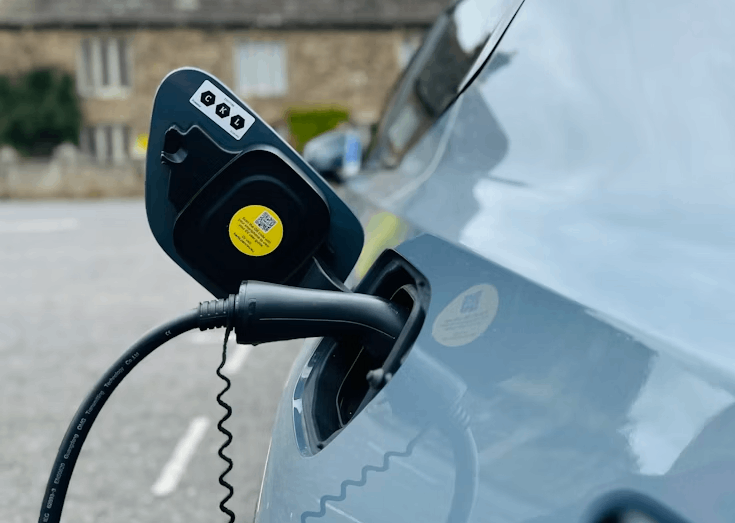
Electric vehicles (EVs) are no longer a future concept. They're now available in great numbers and include various types, including battery electric vehicles and plug-in hybrid electric vehicles. If you're considering ditching gas for good, or maybe just cutting back, understanding these two main types can help you avoid a costly mistake. more Understanding Battery vs. Plug-In Hybrid Electric Vehicle Basics A battery electric vehicle runs completely on electricity and has neither a gas tank nor a tailpipe. A battery pack powers its electric motors to keep you on the road. These vehicles are incredibly simple compared with regular cars, with fewer than 20 moving parts vs. more than 2,000 in a gas engine. That's why they're so quiet, ideal for those 6 a.m. commutes through El Monte when everyone else is still sleeping. Plug-in hybrids have a different setup. These cars have both a battery and a gas engine and can switch between them. You can drive maybe 10 to 40 miles on just electricity before the gas engine kicks in. The battery's generally bigger than the one in regular hybrids, so you get more electric-only time with better power and torque. You charge the car like a battery electric vehicle, but it also charges itself while driving through regenerative braking. Battery vs. Plug-In Hybrid Electric Vehicles: Head-To-Head Comparison The biggest difference between battery electric vehicles vs. plug-in hybrid electric vehicles is their range. If you have a reliable place to charge at home, owning a battery electric vehicle means you'll wake up every morning with a "full tank," while a plug-in hybrid gives you the flexibility of using electric power for short trips and gas for longer ones. Range used to be a real problem for battery electric vehicles, but this has changed with modern models. The Lucid Air can go 512 miles on a single charge, while the Chevrolet Silverado EV goes 492 miles. The Tesla Model S has a range of 402 miles. Even affordable options, such as the Nissan LEAF, achieve 149 to 212 miles, while the Toyota bZ4X reaches 250 miles. Plug-in hybrids give you about 15 to 48 miles of electric-only range. The Mercedes-Benz S-Class S580e gets 48 miles, BMW models get around 34 miles, and the Prius PHEV delivers 40 to 45 miles before needing to switch to gas. Charging is where you'll really notice the difference. Battery electric vehicles require regular charging. Your options are Level 1 (regular house outlet), Level 2 (240V), or direct current (DC) fast charging. Level 1 can take 40 to 50 hours to hit 80%, while you can get a full charge with Level 2 in four to 10 hours. DC fast charging gets you to 80% in 20 minutes to an hour. Plug-in hybrids charge faster since their batteries are smaller. Level 1 chargers take five to six hours for a full charge, and Level 2 chargers take one to two hours. Most plug-in hybrids can't use DC fast charging, but you probably won't need it. Ownership Cost Analysis Battery electric vehicles cost about $618 annually to maintain, or $3,090 over five years. You're mostly dealing with tires, cabin air filters, and brake fluid. Plug-in hybrids cost about $716 to $749 per year since they have both electric and gas systems to maintain. Maintenance may include oil changes, battery checks, and filter swaps. In comparison, regular gas cars may cost up to $833 annually, or $4,165 over five years. Insurance is where things get expensive. EV owners pay about 49% more than gas car drivers, at $3,442 vs. $2,320 per year on average. Insurance for some models is reasonable, with the Toyota RAV4 Hybrid costing $1,776 annually, the Kia Niro Hybrid at $1,791, the Hyundai KONA EV at $1,867, and the Nissan Leaf at $1,932. Plug-in hybrids, such as the Chrysler Pacifica Hybrid ($1,986) and Honda Clarity PHEV ($2,404), fall somewhere in the middle. Operating costs are where EVs really shine, especially with SoCal gas prices. Charging at home typically costs $2 to $5 for a full battery, though public fast chargers cost more. A Chevrolet Bolt costs about $2.81 for 100 miles, compared with $10 to $13.70 for gas cars going the same distance. You'll need an electrician to install home charging at a cost of $500 to $1,200 for labor and $500 to $700 for the charging unit. The federal tax credit can save you up to $7,500, depending on various conditions. Choosing the Right EV for Your Needs Choosing between a battery electric vehicle and a plug-in hybrid requires an evaluation of how you drive. Battery electric vehicles work great for predictable routines, such as daily commutes, errands around town, and trips where you know you can charge. If you've got home charging and drive mostly in the Los Angeles area, a battery electric vehicle probably makes sense. Plug-in hybrids are better for long road trips, places where charging may be unreliable, or if you're not yet ready to go full electric. First-time buyers often overthink the range aspect. An EV with a range of 250 miles handles most people's needs, while long-distance drivers might want a plug-in hybrid or a fully electric model with a range of 400 miles or more. Explore EVs at Longo Toyota At Longo Toyota in El Monte, California, we have a range of battery electric vehicles and plug-in hybrids, including the RAV4, Prius, and bZ4X. If you're ready to learn more, contact our experts today. We'll help you determine whether a battery electric vehicle or a plug-in hybrid fits your lifestyle and budget. an electric car being charged by a charger by John Cameron is licensed with Unsplash License

20230 Toyota Prius

How Many MPG Does a 2024 Prius Get?

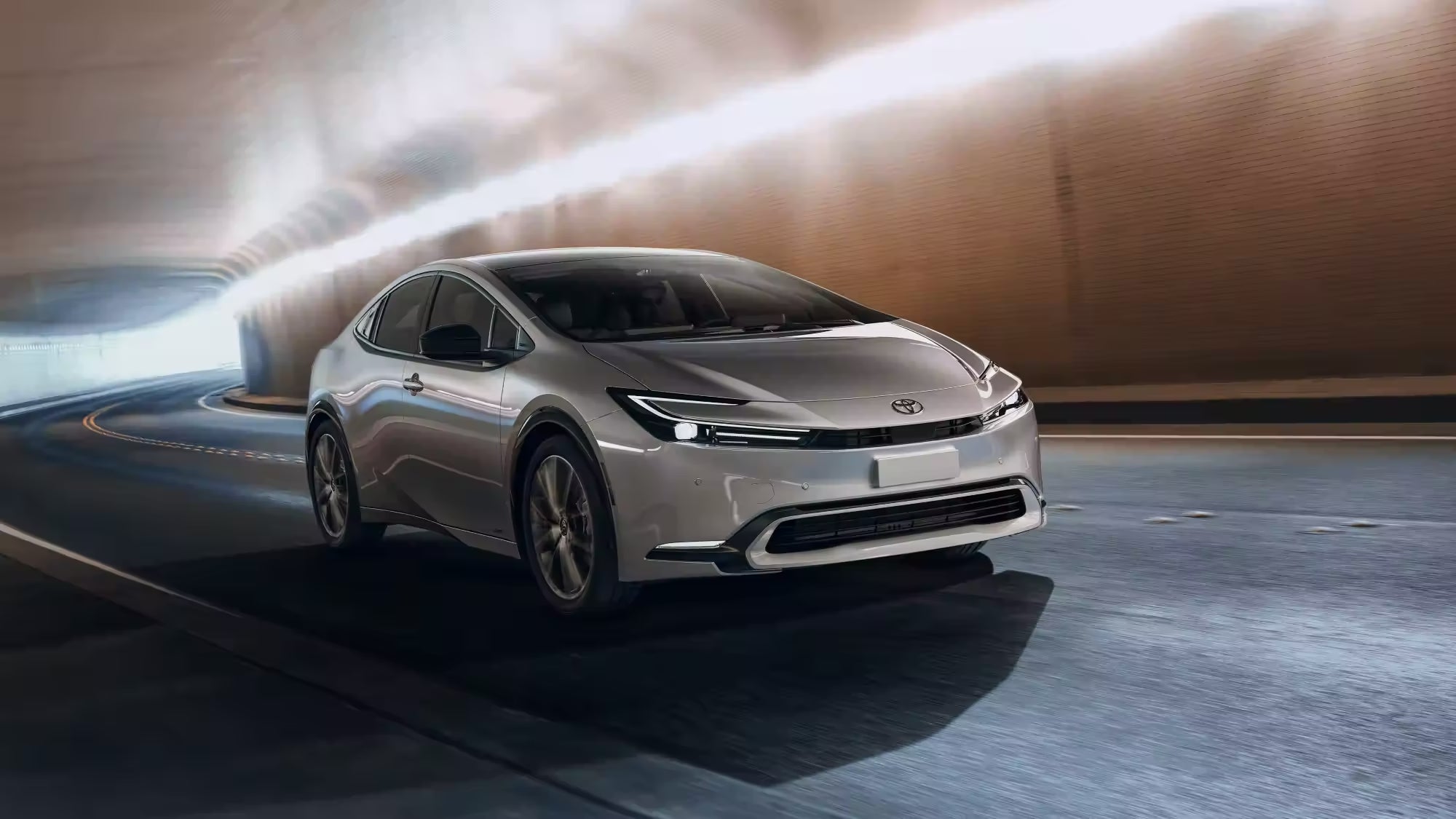
If you're looking for a vehicle that combines modern design, futuristic technology, and outstanding fuel efficiency, the 2024 Toyota Prius should be at the top of your list. This hybrid has been a leader in the green car market for years, and the latest model continues that trend with impressive improvements in performance and economy. But just how many miles per gallon does a 2024 Prius get? Let's dive into the specifics. more What is 2024 Toyota Prius MPG Rating? Regarding fuel efficiency, few vehicles can compete with the Toyota Prius. In fact, it's one of the most fuel-efficient vehicles on the road today without being fully electric. So how much can you expect from this hybrid powerhouse? For starters, if you want to squeeze the most miles out of each gallon of fuel, consider opting for the LE trim level. This version achieves an incredible EPA-estimated combined mpg of 57, beating almost every other car in its class. Even when you move up to higher trims, such as the XLE and Limited versions, which have additional luxury features, you still get an excellent combined mpg of 52. It's worth noting that these figures may vary based on driving conditions and habits. However, even under less-than-ideal circumstances, you can expect your Prius to deliver superior fuel economy than most other vehicles. Has the Design and Style of the 2024 Toyota Prius Been Updated? Toyota has given the 2024 Prius a design overhaul that differentiates it from its predecessors. It's sleeker, more aerodynamic, and has a modern feel that turns heads on the road. The exterior features c-shaped headlights, a slim grille, and prominent body lines that give the vehicle a dynamic look. Inside, the Prius maintains its futuristic aesthetic with an upscale cabin featuring high-quality materials and an intuitive layout. How Good is the Performance for the 2024 Toyota Prius? Under the hood, the fifth-generation Prius boasts a 2.0L four-cylinder engine paired with an electric motor. This powertrain combination offers 194 horsepower for the front-wheel-drive version, while you can expect a slight bump to 196 horsepower if you opt for all-wheel drive. The 2024 Toyota Prius 0-60 MPH time is a respectable 7.7 seconds. Despite being a hybrid vehicle known primarily for efficiency, the 2024 Prius doesn't compromise on speed or agility. What Technology Features does the 2024 Toyota Prius Have? When it comes to technology, the Prius is ahead of its time. The car features an upsized 12.3-inch infotainment touch screen in higher trims, providing crisp graphics and responsive navigation. Standard wireless connectivity for Android Auto and Apple CarPlay allows seamless integration of your smartphone for music streaming, navigation, and receiving calls or messages. How Comfortable is the 2024 Toyota Prius? Comfort is key in any vehicle, and the 2024 Toyota Prius doesn't disappoint. The front seats provide comfort during long drives, while the rear seats offer plenty of space for passengers. Overall ride comfort is smooth over bumps and rough pavements. Now let's move on to the main topic of discussion — fuel efficiency. What are the Advantages to Driving a Hybrid? Driving a hybrid vehicle such as the 2024 Toyota Prius has numerous benefits beyond excellent fuel economy. These advantages span environmental impact, cost savings, and technological innovation. Let's explore them in detail. Reduced Emissions One of the main benefits of driving a hybrid is its lower emissions. Hybrids emit less CO2 and other harmful gases than conventional vehicles because they use less gasoline and rely more on electric power. By reducing CO2 emissions, you're driving an eco-friendlier vehicle while contributing to cleaner air and a healthier planet. Cost Savings Over time, the fuel efficiency of hybrids can lead to substantial savings. With their ability to switch between gas and electric power, hybrids can dramatically reduce the amount you spend on fuel. In addition, many countries offer tax incentives or rebates for hybrid vehicle owners, which can further offset the initial purchase cost. Advanced Technology Hybrids are at the forefront of automotive technology. They come equipped with cutting-edge features, such as regenerative braking, which converts kinetic energy into electrical energy during braking and stores it for later use. This enhances efficiency and extends the life of your brake system. Quiet Operation Thanks to their electric motors, hybrids operate much quieter than traditional gasoline cars, especially at lower speeds. This makes for a smoother and more peaceful driving experience. Driving a hybrid offers numerous advantages that go beyond fuel efficiency figures. By choosing a hybrid vehicle, such as the 2024 Toyota Prius, you're investing in an innovative car that delivers economic benefits while positively impacting the environment. What are Some Additional Benefits of Driving a 2024 Toyota Prius? There are several other reasons why choosing a Prius is a smart decision: The Legacy of Prius The Toyota Prius has been a groundbreaker since its introduction. As one of the first mass-produced hybrids, it played a significant role in making hybrid technology mainstream. Over the years, the Prius has continued to evolve, setting new standards for fuel efficiency, technological innovation, and eco-friendly design with each new model. Extended Warranty on Hybrid Components Toyota stands behind its hybrid technology with its offer of extended warranty coverage on hybrid components, including eight years or 100,000 miles coverage for certain elements and up to 10 years or 150K miles for the hybrid battery itself. Advanced Safety Features The 2024 Toyota Prius comes packed with standard safety features, including forward collision warning, automatic emergency braking, adaptive cruise control, and blind-spot monitoring, as part of the Toyota Safety Sense package. Take Advantage of the Excellent MPG of the 2024 Prius Whether you're interested in reducing your carbon footprint or simply want to save money at the pump, it's hard to go wrong with the 2024 Toyota Prius. With its stellar fuel economy figures, it sets high standards for hybrids and leads by example in Toyota's vision of an electrified future. So whether it's about saving money, protecting the environment, or enjoying advanced tech features, rest assured that you're making an excellent choice when you get behind the wheel of a 2024 Toyota Prius.