


Longo Toyota

#1 in the World since 1967*

Based on Toyota Motor Sales, USA 2025 Sales Report*
Based on Toyota Motor Sales, USA 2023 Sales Report*
Blog / Service

What Is Toyota Prepaid Maintenance? (Explained)

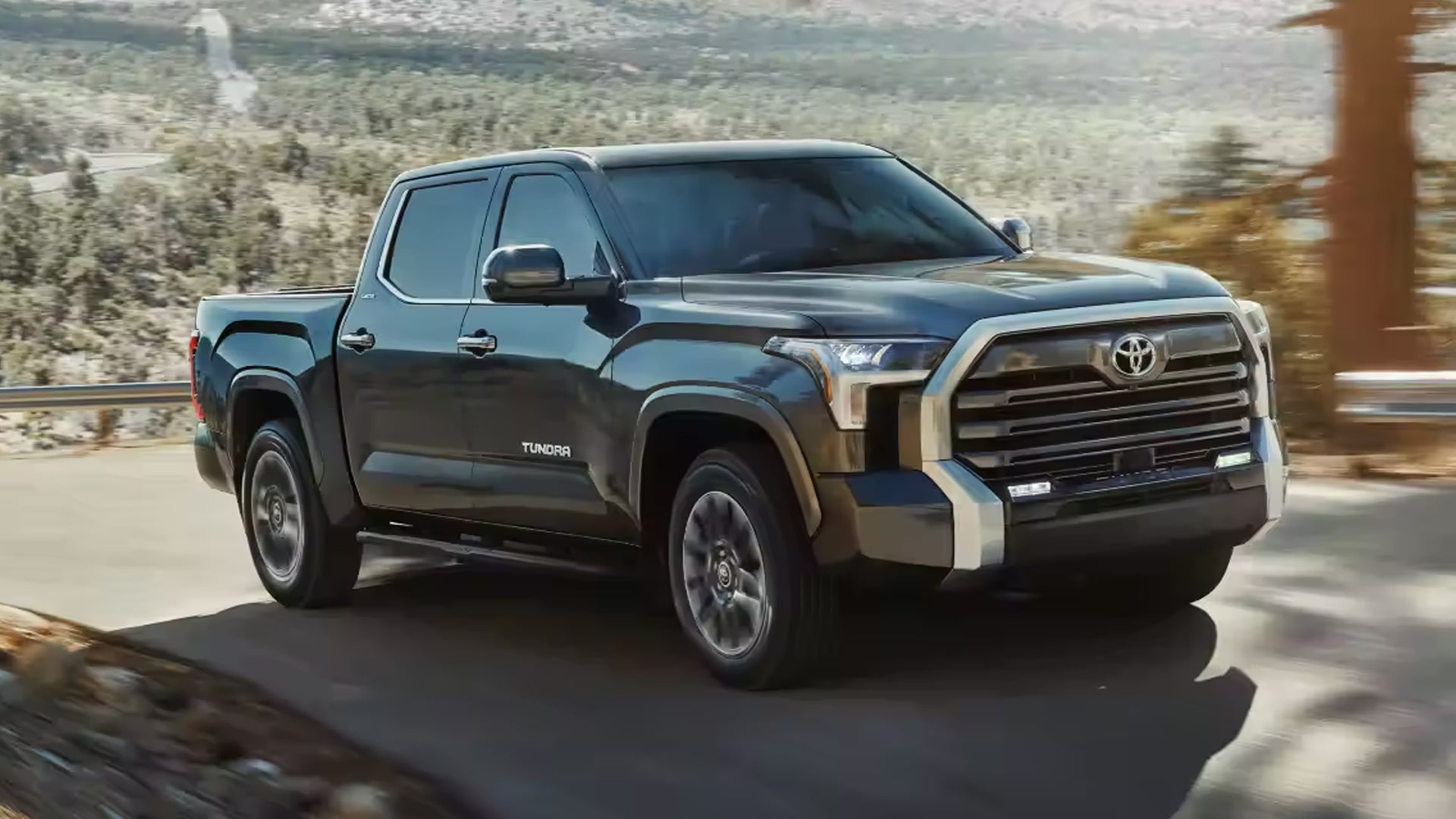
2023-Toyota-Tundra-1

Are you looking to preserve the condition of your Toyota vehicle? Instead of getting your maintenance done at a subpar auto shop, you can sign up for a prepaid maintenance plan directly through Toyota. Below, you can learn about the different prepaid maintenance plans and why you should consider them.

Benefits of a Toyota Prepaid Maintenance Plan
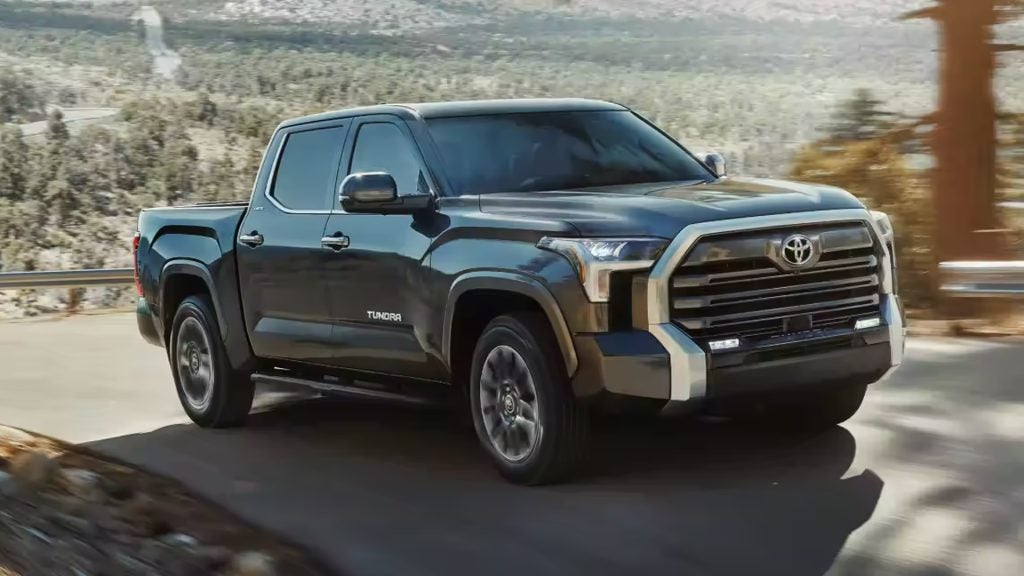
2023 Toyota Tundra

ToyotaCare is a reliable no-cost maintenance and roadside assistance plan, but it's only available for brand-new Toyota vehicles. When you get one of the manufacturer's prepaid maintenance plans, you can protect your vehicle even if it's already been in use for a while.

One of the most enticing aspects of a prepaid plan is that you get to lock in the current rates for maintenance services. Over the years, the costs of specific services may increase at surprising rates. With a prepaid maintenance plan, you don't have to fall victim to these price hikes.

Instead, you can receive the service for the cost it was when you initially signed up for the plan. Another benefit of getting a prepaid maintenance plan through Toyota is the ability to maintain your vehicle's performance and safety. Certified technicians who specialize in Toyota vehicles will always be working on your car, so you can bring it in for service with peace of mind.

Get ToyotaCare Plus When ToyotaCare Expires

While every new Toyota vehicle comes with ToyotaCare— which provides coverage for up to two years of 25,000 miles — you can get extended coverage with ToyotaCare Plus. This prepaid maintenance plan offers protection for up to 45,000 miles or four years from the first date of use, whichever comes first. Toyota classifies the date of first use as whenever your vehicle is first put into service.

Eligibility for ToyotaCare Plus

ToyotaCare Plus is meant for car owners who no longer qualify for ToyotaCare, but these car owners still have specific eligibility requirements to meet. Firstly, an interested customer needs to have less than 31,000 miles on their vehicle's odometer. Their vehicle also has to be within 37 months of the first use date. Otherwise, Toyota won't allow the customer to sign up for the ToyotaCare Plus prepaid plan.

What Do You Get With the ToyotaCare Plus Plan?

The ToyotaCare Plus prepaid maintenance plan comes with comprehensive maintenance and roadside assistance services. You'll receive complete coverage of factory-recommended maintenance for your necessary services at 20,000, 35,000, 40,000, and 45,000 miles. One of these included services is an engine oil and filter change. By performing this service, certified technicians with specific training in Toyota vehicles will help improve your engine efficiency, increase your fuel efficiency, and prolong the lifespan of your engine. These technicians will also perform a tire rotation to ensure all your tires receive even amounts of wear and tear as you drive your vehicle.

Other included maintenance services are vehicle fluid refills and cabin air filter replacements. For any replacement, Toyota technicians always use genuine Toyota parts to ensure they're compatible with your vehicle. Still, Toyota technicians will perform multi-point inspections following each service to ensure your vehicle is in working order. If they detect anything abnormal during this inspection, they can diagnose the problem and provide an effective and affordable solution.

Note that each Toyota vehicle has different factory-recommended services and interval requirements. Depending on the model you have, a Toyota employee can help you determine what kind of maintenance schedule and frequency is right for your vehicle.

While the maintenance services are an important part of ToyotaCare Plus, you can also note the roadside assistance services that it offers. No matter what day of the week it is or what hour of the day it is, Toyota roadside crew members are available to assist you in the event your vehicle stops working. If someone else is driving your vehicle and you aren't present, they can still use your ToyotaCare Plus plan to seek assistance.

A few of the roadside assistance services that Toyota offers under this plan include battery jump-starting and emergency fuel delivery. If you've locked yourself out of your vehicle, you can also call the Toyota roadside crew for lockout protection services. They can come to your rescue with tire replacements, towing, or winching services. Note that as far as towing goes, the roadside crew will tow your vehicle to the nearest Toyota dealership or the Toyota dealership of your choice if it's within 25 miles of the closest location.

Consider Getting Toyota Service Care

After four years or 45,000 miles with your Toyota vehicle, you won't be eligible for ToyotaCare Plus anymore. However, that doesn't mean you have to go without a prepaid maintenance plan. You can sign up for the Toyota Service Care prepaid maintenance plan. This plan lasts for two years and doesn't account for mileage, so you can put as many miles on your vehicle as you'd like. Once you purchase this plan, coverage begins immediately.

At the end of the two-year period, you can renew your plan as long as your vehicle identification number (VIN) doesn't have any other active prepaid plan attached to it. Toyota doesn't limit the number of times you can renew your plan, so you can always have this plan for as long as you own your vehicle. The benefits of this plan in terms of maintenance and roadside assistance services are the same as they are in the ToyotaCare Plus plan, so you can benefit from access to consistent support from qualified technicians.

If you aren't already the proud owner of a Toyota vehicle, you can head over to Longo Toyota in El Monte today. Here, you can browse our available inventory of new and certified pre-owned Toyota vehicles. One of our sales agents will be happy to discuss the benefits of different vehicles so you can find the one that suits your preferences. Upon finding the perfect vehicle, you can sign up for the appropriate maintenance plan so you can protect your investment for the long term.

Posted in:

Related Posts

Blue 2027 Toyota Camry driving down a tree-lined street

Holiday Road Trip Maintenance Checklist: Is Your Toyota Ready for Thanksgiving Driving in SoCal & Beyond?

Plenty of SoCal drivers assume mild valley temperatures mean the car is fine. Leaving LA for the holidays changes that. If your route likely includes stop-and-go traffic on the I-10 or I-605 and then climbs into higher-elevation mountain passes, your tires and brakes will work harder than they do on a daily commute, and so will the cooling system. This Holiday Road Trip Toyota Maintenance Checklist covers four checks you can start today. When you want a professional look, schedule service with our team. Why LA's Mild Weather Fools Holiday Drivers: Thanksgiving Trips Stress Your Toyota The weather at your driveway tells you little about conditions along the whole route. A Toyota driven mostly in mild Los Angeles weather may meet colder temperatures, rain, or mountain grades on the way to Thanksgiving dinner. Longer drives, heavier loads, holiday congestion, and elevation changes all add stress. Stop-and-go traffic wears brakes down fast, and mild weather can hide wear that only shows up under load. Think of it as winter car maintenance Southern California drivers rarely need until a holiday trip takes them somewhere colder. Your Holiday Road Trip Toyota Maintenance Checklist: 4 Points to Inspect Use this checklist alongside your owner’s manual, and finish it early so there’s time to fix anything before travel day. On departure morning, test your wipers and washer spray, confirm all lights work, and check your emergency kit. 1. Tire Tread Depth and Pressure for Mountain Cold What to check: pressure, tread depth, and tire condition, plus your spare. How to check it: Tire pressure drops as temperatures fall in the mountains, so check before you leave. Measure pressure cold, meaning the vehicle has not been driven for at least three hours. Use the pressure listed on the driver-side door label or in your owner's manual; the maximum printed on the tire is the wrong number. NHTSA's minimum tread is 2/32 of an inch. Try the penny test: place a penny in the tread with Lincoln's head upside down and facing you. If you can see the top of his head, replace the tire. Look over the tread and sidewalls for cuts, punctures, bulges, or cracks. Warning sign: visible top of Lincoln's head, bulges, cracks, or pressure that keeps dropping. When to stop and get it checked: any sidewall damage or puncture. 2. 12V Battery Health to Prevent Cold-Weather Drops What to check: battery condition, connections, and starting behavior. How to check it: Cold weather reduces battery power just when your engine needs more of it to start. Look at the battery contacts for corrosion or buildup. For hybrids and other electrified models, check your owner's manual for battery and jump-start procedures. Warning sign: slow starts or corrosion, especially if electrical glitches keep recurring. When to stop and get it checked: before departure, since battery testing belongs with a technician. Our battery service includes inspection and replacement with Toyota TrueStart batteries. 3. Brake Pad Thickness for Stop-and-Go Traffic and Mountain Descents What to check: pad thickness, rotor condition, and uneven wear. How to check it: Listen for squeaking or metal grinding. Brake linings wear gradually and may not feel worn until a problem develops, so a normal pedal feel is no proof of healthy brakes. A qualified technician should check your brake pads for excessive wear, so have pad thickness inspected before your trip. On long descents, use your Toyota's recommended downhill techniques instead of riding the brakes. Warning sign: squealing, grinding, or a longer stopping distance. When to stop and get it checked: at the first grinding or warning light. Leave all brake work to a professional. 4. Fluid Top-Offs: Oil, Coolant, Brake and Washer Fluid What to check: engine oil, coolant, brake fluid, and washer fluid. How to check it: Keep these fluids full and fresh, and follow your owner's manual for specifics. Check oil using the manual's procedure and change it before travel if it is due. Oil timing depends on the vehicle and oil type. Check coolant only with the engine cool. Never open a hot radiator cap. Fill the washer reservoir and test the spray. Warning sign: levels that are low or keep dropping, or visible leaks. When to stop and get it checked: any low brake fluid, and any coolant problem beyond a simple top-off. ToyotaCare Coverage and Toyota Oil Change Near Me: What Maintenance Is Covered If you’re searching for a Toyota oil change near me, start by checking your ToyotaCare coverage. ToyotaCare covers normal factory-scheduled maintenance plus 24/7 roadside assistance on new Toyotas, and many owners are covered for 2 years or 25,000 miles, whichever comes first. Most 2027 models include 1 year or 10,000 miles, so ask us which plan applies to your vehicle before your pre-trip visit. Our oil change uses Genuine Toyota Motor Oil and includes a multi-point inspection of tire pressure, fluids, brakes, filters and lights, typically in about 30 to 45 minutes. Toyota Holiday Road Trip Service in Los Angeles at Longo Toyota Service Center Longo Toyota is a full-service new and used Toyota dealership in El Monte on a campus of over 50 acres. For Toyota holiday road trip service Los Angeles drivers can rely on, our service center handles oil changes, tire rotations, battery replacement, brake repairs, and factory-scheduled maintenance. Toyota-trained technicians use Genuine Toyota parts. Every visit includes a complimentary tire inspection, and tire service includes mounting, balancing, and inflation to manufacturer specifications. Toyota Express Maintenance is designed to get you in and out quickly. It includes oil and filter, brake inspection to check whether pad thickness is at a safe level, tire rotation, multi-point inspection, and fluid inspection. It fits a pre-trip visit well. While you wait, our guest lounge offers a TV, complimentary beverages, and free Wi-Fi. We also offer complimentary car washes. On campus you'll find Starbucks, Subway, AAA, and Enterprise. Tell us about your route and load, plus any symptoms, and we'll know where to look first. Book Your Toyota Service Appointment in El Monte Before Peak Travel Weeks Service lanes fill quickly in the weeks before Thanksgiving, so booking now leaves time for inspection, parts and any follow-up repairs. When you book, share your year, model and mileage, and mention any concerns or plans for mountain driving so we can set aside the right amount of time. Don’t wait until the week of your trip. Book your Toyota service appointment El Monte drivers trust today, or call our service team at 626-539-2126. We’re at 3534 North Peck Road, El Monte, CA 91731, open Monday through Friday 7 AM to 7 PM and Saturday 7 AM to 5:30 PM.

Toyota RAV4 parked on a quiet residential street lined with trees

Why Does My Toyota Tire Pressure Light Come On When It Gets Cold?

Colder temperatures reduce the air pressure in your tires, and that can trip your Toyota's TPMS (Tire Pressure Monitoring System). It's the most common reason the light appears on a chilly morning. Our service team hears about it every time the weather turns, and the cause is usually simple. If you’d like a hand, our Toyota service team is ready to help. Questions about the Toyota tire pressure light in cold weather come up even here in El Monte and across Southern California. A sudden cold snap or a drive up toward the San Gabriel Mountains can be enough to turn it on, mild climate or not. Why Your Toyota Tire Pressure Light Comes On in Cold Weather Toyota's TPMS shows a low-pressure icon and a Multi-Information Display message when it detects seriously low pressure. A cold-triggered alert isn't necessarily a false alarm. The system may be correctly detecting low pressure, even if the tire looks normal. How Cold Air Lowers Tire Pressure Cold temperatures make the air inside your tires contract, so pressure falls even when no air has escaped. As a rule of thumb, tire pressure drops about 1 PSI for every 10°F drop in temperature. A tire set to 35 PSI on a 75°F afternoon could read around 30 PSI on a 25°F morning in the mountains, and if a tire was already near the warning threshold, that overnight drop can be enough to trigger the light. That's why tire pressure sensors and cold weather often get blamed together. The sensor is usually doing its job, and the pressure really did drop. One useful clue: if several tires dropped together after colder weather, temperature is the likely cause. If one tire keeps losing more than the others, look closer for a leak. Why the Light May Turn Off After You Drive Driving warms your tires and the air inside them, which raises pressure. The light may come on after an overnight dip, then go out as the tires warm or temperatures rise. Don't take that as good news. Warming can hide a low starting pressure, so the light going out doesn't replace a pressure check. If it returns on the next cold morning, your pressure is probably borderline. How to Check Tire Pressure Correctly in Cold Weather TPMS alerts only when pressure is critically low, so use a gauge rather than relying on the monitor alone. A tire can be well underinflated without looking flat. Check when tires are cold, meaning before driving or after the vehicle has been parked for 3 hours. Do it at least monthly, and again before long trips or heavy loads and whenever the seasons change. Don't forget the spare. Use the Door-Jamb Placard for the Correct Pressure Your correct pressure is on the driver's door-jamb placard and in your owner's manual. Front and rear recommendations can differ, and they vary across Toyota models. The number molded into the sidewall is the tire's maximum, and it doesn't reflect your Toyota's recommended pressure. Think of the weight limit posted in an elevator. It tells you the most the elevator can handle, and nobody treats it as the number of people who should ride. Never use the sidewall number as a target. Step-by-Step: Checking and Inflating Cold Tires Grab an accurate gauge and follow these steps: Remove the valve cap. Press the gauge onto the stem and note the reading once the hissing stops. Repeat on the other tires and the spare. Compare each reading with the placard. Add air if low, either at a dealership or with a portable inflator. Gas stations work too. Follow the pump's instructions, as some stop automatically at the target. If a tire is overinflated, release air through the valve stem and recheck. If a tire was already driven on and seems low, fill it to the recommended cold pressure and recheck when cold. A warm tire may read slightly above the cold target after driving, so adjust once it cools. Replace the valve caps when you finish. Solid vs. Flashing Toyota TPMS Light: What Each Means How the light behaves tells you where to start. Falling temperatures don't normally cause a flashing light. Confirm the exact pattern for your model year in your owner's manual. Light behavior What it means Likely cause What to do Urgency Solid light At least one tire is significantly underinflated. A cold temperature drop, or a tire that keeps losing air. Check all tires with a gauge and refill, repair, or replace any tire below proper pressure. Act promptly Flashing about 60 to 90 seconds, then solid System malfunction on vehicles from model year 2008 onward. The pattern repeats at each start until corrected. A TPMS system or sensor problem. Have it inspected at a Toyota dealership. Schedule an inspection Light goes off after driving Pressure dipped below the warning threshold overnight, then tires warmed or temperatures rose. Overnight cold, followed by warming. Still check pressure, because the light going out does not replace a check. Check soon A malfunctioning system doesn't confirm your pressures are fine. Check them manually while you arrange diagnosis. When a Persistent Warning Light Needs Inspection Sometimes the cause isn't the weather. If the light keeps returning, stays on after you add air, or flashes, have a professional take a look. Our Toyota tire services cover tire inspection, rotation, and TPMS sensor diagnosis. When you're ready, schedule tire service with our team. Signs of a Slow Leak, Nail, or Valve Stem Problem A slow leak can come from a small puncture made by a nail or screw, or from a damaged valve stem core or cap. Some leaks are too small to find by eye. Watch for the same tire needing air again and again. Keep a short record of cold readings and outdoor temperatures, since comparing similar conditions helps separate a real leak from normal temperature swings. Recurring pressure loss is a good reason to have the tire inspected. Visible damage or a tire that won't hold pressure also warrants a professional inspection, as do noise or vibration. Light Stays On After Inflating: Sensor or Tire Issues If the light stays on, check all tires and refill, repair, or replace any tire below proper pressure. Then look at what changed recently. A tire rotation, a pressure change, or a different tire size can set it off. Replacement wheels or sensors must be registered by a Toyota dealership. Make sure pressures are correct before any reset, because a reset should never cover up low pressure. Afterward, the system needs several minutes with the engine running to record each tire's pressure. Reset steps vary by vehicle and grade, so follow your owner's manual. How to Prevent the Tire Pressure Light in Winter A simple routine does most of the work. Check cold pressures at least monthly and after big temperature swings. Adjust to the placard figure as seasons change rather than relying on a fill from warmer weather. Underinflation matters beyond the light. It can reduce stability and braking, and it raises fuel use and tread wear while making a blowout more likely. TPMS is a backup for your own checks, so don't lean on it alone. Quick cold-weather checklist Check monthly. Check after temperature swings. Check the spare. Keep a gauge in the glove box. Toyota Cold Weather TPMS FAQs Is It Safe to Drive With the Light On in the Cold? Don't decide from the light or the outside temperature alone. Check your tires and pressure promptly, in a safe spot, and correct low pressure before continuing when you can. Safety note: a visibly flat tire or rapidly dropping pressure means stopping safely and getting help. Don't drive far on a flat tire. A flashing light calls for an inspection. Should I Inflate Above the Recommended PSI for Winter? No. The placard figure is the correct one, and you adjust to it as seasons change. The sidewall maximum isn't a target. Pressure more than 10% above the manufacturer's recommendation is generally overinflated and can reduce grip and lengthen braking distances. Schedule Tire Service at Longo Toyota If your Toyota’s tire pressure light keeps coming back when the weather cools, our service team will find the cause, whether it’s a slow leak, a damaged valve stem or a TPMS sensor that needs attention. At Longo Toyota, you can count on: A complimentary tire inspection with every service visit. Expert tire service, with replacement tires mounted, balanced and inflated to your Toyota’s exact specifications. Toyota-trained technicians who know your TPMS inside and out, including sensor diagnosis and registration. Schedule your tire service online or call 626-539-2126. When you book, let us know your model year, how the light is behaving and any recent pressure readings. We’re at 3534 North Peck Road in El Monte, open Monday through Friday from 7 a.m. to 7 p.m. and Saturday from 7 a.m. to 5:30 p.m. If you have a flat or a tire that’s losing air quickly, stop safely and call for roadside help first.

2025 Toyota Corolla

The Secret to The Toyota Corolla's Legendary Reliability

The Toyota Corolla has built its rock-solid reputation as a dependability champion through years of proven performance and satisfied owners. This car consistently tops reliability charts, making it perfect for El Monte drivers who'd rather skip flashy bells and whistles in favor of a ride that just works. At Longo Toyota, we'll explore the factory methods, engineering, and real-life statistics that explain why Toyota Corollas are reliable and continue to set the bar in 2025. The Philosophy Behind Toyota's Reliability Toyota's reliability comes from its Toyota Production System (TPS), a manufacturing methodology that prioritizes quality through continuous improvement and rigorous checks, which is inspired by the Japanese philosophy known as Kaizen. TPS is based on two pillars: Just-in-Time production (manufacturing at a pace that meets only the immediate needs, thereby reducing excess and waste) and Jidoka (smart automation with human oversight for quality control). This combination allows Toyota to efficiently and effectively build top-quality cars. Toyota has also chosen to stick with proven methods instead of chasing tech and flashy marketing. It makes careful, incremental improvements rather than complete overhauls, a strategy that has delivered results, with J.D. Power ranking Toyota third out of 29 car brands for overall dependability. Core Engineering Features That Make Corollas Last The Corolla's longevity starts with a straightforward engine. There's one choice: a 2.0-liter four-cylinder engine that produces 169 horsepower and 151 pound-feet of torque. It's not as powerful as some other engines, but it's built to last, not win races. The Corolla's front-wheel drive with a continuously variable automatic transmission is a simple setup, but this means there are fewer things to break. Toyota engines typically last around 200,000 miles and often reach beyond 300,000 miles before needing major work. Toyota's careful approach shows throughout the Corolla. Parts are built tougher than needed — a buffer that other carmakers often skip to save money or boost performance statistics. The suspension and frame contribute to long-term strength, while electrical systems keep working year after year. Real-World Reliability Data: What the Statistics Show The Corolla's reliability isn't just talk. Hard facts show its dependability, with the 2022 model scoring 85 out of 100 from J.D. Power and winning the Compact Car award in J.D. Power's 2025 Vehicle Dependability Study. Consumer Reports expects the 2025 Corolla to beat most new cars in reliability, while RepairPal ranks the Toyota Corolla first among 36 compact cars with a reliability rating of 4.5 out of 5 stars. Both the National Highway Traffic Safety Administration and the Insurance Institute for Highway Safety gave the 2025 Corolla high safety marks. The Toyota brand backs up the Corolla's success. Consumer Reports’ 2025 rankings place Toyota third for reliability, just behind Subaru and Lexus. J.D. Power ranks it third in the mass market with 162 problems per 100 vehicles, just behind Lexus (140) and Buick (143). Resale and trade-in values for the Corolla also speak to its reliability. CarEdge ranks the Toyota Corolla first for the lowest five-year depreciation, and Kelly Blue Book describes the 2025 model's resale value as “enviable.” Most and Least Reliable Corolla Model Years (2015-2025) Some Corolla years shine brighter than others. The 2015 models stand out as exceptional performers with nicer interiors, roomier cabins, improved legroom, and upgraded materials. For newer options, 2018-2021 Corollas offer modern features and advanced safety. Consumer Reports picks the 2019 model as a top used car choice, featuring adult-friendly back seats, the Toyota Safety Sense P system, and a combined fuel economy of 32 mpg. Not all years hit the same notes. The 2014 Corolla experienced interior rattles, wobbly dashboard pieces, and airbag issues. This year sticks out as a rare miss in Corolla's normally strong track record. Common Problems and How Toyota Addresses Them Even reliable cars such as the Corolla face occasional hiccups. Some 2024 owners report infotainment issues, including slow startup times, poor Bluetooth connections, and random music playback. Other reported issues include trouble with the exhaust system parts (muffler, pipes, catalytic converter) and with engine and transmission behavior. Toyota tackles these issues through software updates and factory improvements. It typically addresses problems promptly via service bulletins, recalls when needed, and design tweaks in later model years. This quick response to fixing things helps maintain its strong reputation for reliability. It's not about never having problems — it's about solving them properly when they happen. Maintenance Requirements That Support Long-Term Reliability Proper care helps Corollas reach impressive mileage numbers. A well-maintained Toyota Corolla can run for 250,000 to 300,000 miles, with many owners keeping them for 15 years or more. Toyota's recommended maintenance schedule includes tire rotations every 5,000 miles, oil changes every 10,000 miles, and replacement of the cabin and engine air filters every 30,000 miles. Experience the Toyota Corolla's Reliability Today If you're looking for dependable transportation in El Monte, the Toyota Corolla's careful engineering and proven track record stand out, making it a solid choice. Experience Toyota's legendary reliability and visit us at Longo Toyota to see our Corolla lineup and discover why drivers trust these cars year after year.