

Longo Toyota

#1 in the World since 1967*

Based on Toyota Motor Sales, USA 2025 Sales Report*
Based on Toyota Motor Sales, USA 2023 Sales Report*

Blog

All New Inventory Local Comparison Electric Vehicle Vehicle Tips Review Hybrid Service Toyota News Locaal
20230 Toyota Prius

How Many MPG Does a 2024 Prius Get?

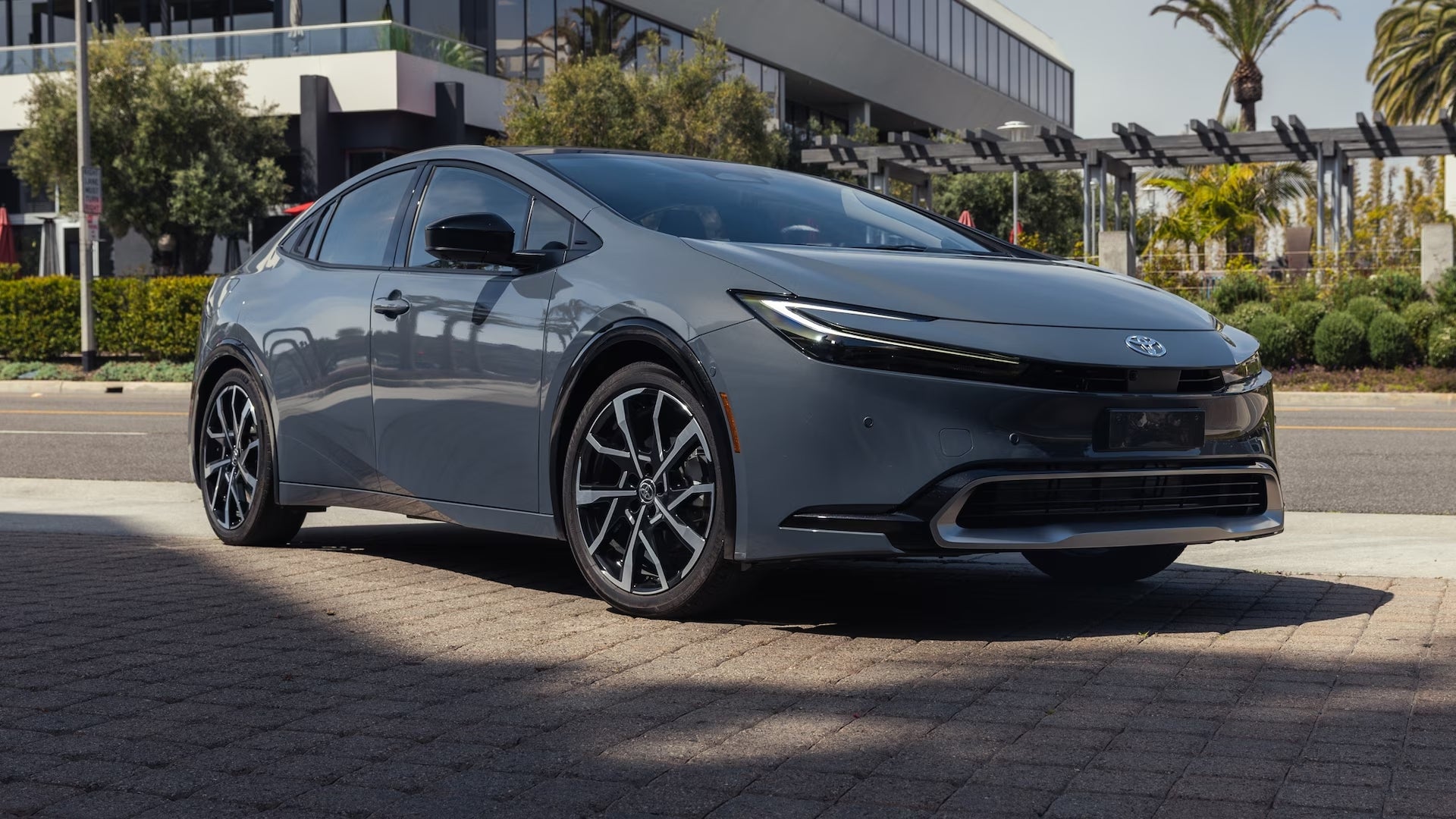
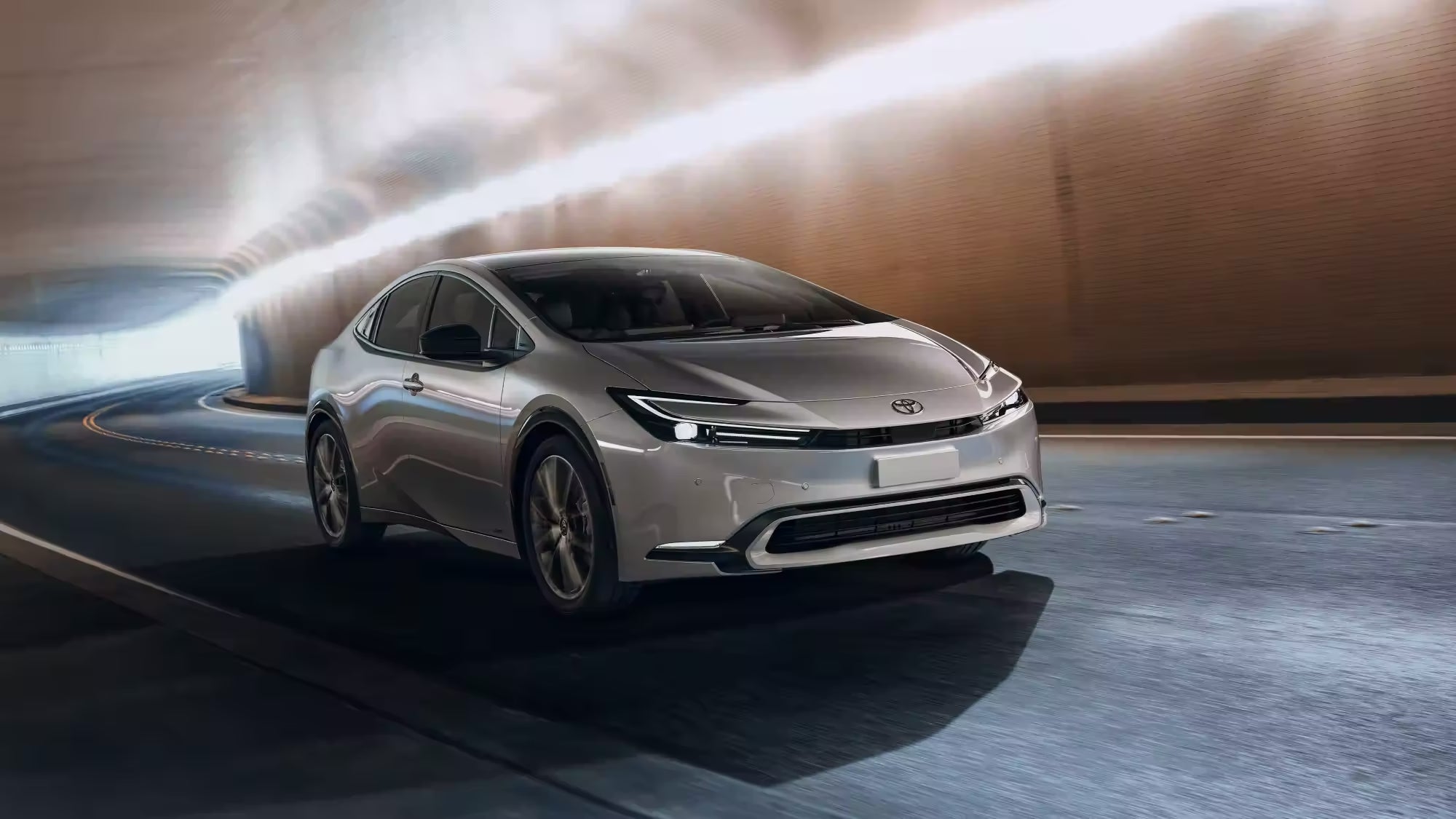
If you're looking for a vehicle that combines modern design, futuristic technology, and outstanding fuel efficiency, the 2024 Toyota Prius should be at the top of your list. This hybrid has been a leader in the green car market for years, and the latest model continues that trend with impressive improvements in performance and economy. But just how many miles per gallon does a 2024 Prius get? Let's dive into the specifics. What is 2024 Toyota Prius MPG Rating? Regarding fuel efficiency, few vehicles can compete with the Toyota Prius. In fact, it's one of the most fuel-efficient vehicles on the road today without being fully electric. So how much can you expect from this hybrid powerhouse? For starters, if you want to squeeze the most miles out of each gallon of fuel, consider opting for the LE trim level. This version achieves an incredible EPA-estimated combined mpg of 57, beating almost every other car in its class. Even when you move up to higher trims, such as the XLE and Limited versions, which have additional luxury features, you still get an excellent combined mpg of 52. It's worth noting that these figures may vary based on driving conditions and habits. However, even under less-than-ideal circumstances, you can expect your Prius to deliver superior fuel economy than most other vehicles. Has the Design and Style of the 2024 Toyota Prius Been Updated? Toyota has given the 2024 Prius a design overhaul that differentiates it from its predecessors. It's sleeker, more aerodynamic, and has a modern feel that turns heads on the road. The exterior features c-shaped headlights, a slim grille, and prominent body lines that give the vehicle a dynamic look. Inside, the Prius maintains its futuristic aesthetic with an upscale cabin featuring high-quality materials and an intuitive layout. How Good is the Performance for the 2024 Toyota Prius? Under the hood, the fifth-generation Prius boasts a 2.0L four-cylinder engine paired with an electric motor. This powertrain combination offers 194 horsepower for the front-wheel-drive version, while you can expect a slight bump to 196 horsepower if you opt for all-wheel drive. The 2024 Toyota Prius 0-60 MPH time is a respectable 7.7 seconds. Despite being a hybrid vehicle known primarily for efficiency, the 2024 Prius doesn't compromise on speed or agility. What Technology Features does the 2024 Toyota Prius Have? When it comes to technology, the Prius is ahead of its time. The car features an upsized 12.3-inch infotainment touch screen in higher trims, providing crisp graphics and responsive navigation. Standard wireless connectivity for Android Auto and Apple CarPlay allows seamless integration of your smartphone for music streaming, navigation, and receiving calls or messages. How Comfortable is the 2024 Toyota Prius? Comfort is key in any vehicle, and the 2024 Toyota Prius doesn't disappoint. The front seats provide comfort during long drives, while the rear seats offer plenty of space for passengers. Overall ride comfort is smooth over bumps and rough pavements. Now let's move on to the main topic of discussion — fuel efficiency. What are the Advantages to Driving a Hybrid? Driving a hybrid vehicle such as the 2024 Toyota Prius has numerous benefits beyond excellent fuel economy. These advantages span environmental impact, cost savings, and technological innovation. Let's explore them in detail. Reduced Emissions One of the main benefits of driving a hybrid is its lower emissions. Hybrids emit less CO2 and other harmful gases than conventional vehicles because they use less gasoline and rely more on electric power. By reducing CO2 emissions, you're driving an eco-friendlier vehicle while contributing to cleaner air and a healthier planet. Cost Savings Over time, the fuel efficiency of hybrids can lead to substantial savings. With their ability to switch between gas and electric power, hybrids can dramatically reduce the amount you spend on fuel. In addition, many countries offer tax incentives or rebates for hybrid vehicle owners, which can further offset the initial purchase cost. Advanced Technology Hybrids are at the forefront of automotive technology. They come equipped with cutting-edge features, such as regenerative braking, which converts kinetic energy into electrical energy during braking and stores it for later use. This enhances efficiency and extends the life of your brake system. Quiet Operation Thanks to their electric motors, hybrids operate much quieter than traditional gasoline cars, especially at lower speeds. This makes for a smoother and more peaceful driving experience. Driving a hybrid offers numerous advantages that go beyond fuel efficiency figures. By choosing a hybrid vehicle, such as the 2024 Toyota Prius, you're investing in an innovative car that delivers economic benefits while positively impacting the environment. What are Some Additional Benefits of Driving a 2024 Toyota Prius? There are several other reasons why choosing a Prius is a smart decision: The Legacy of Prius The Toyota Prius has been a groundbreaker since its introduction. As one of the first mass-produced hybrids, it played a significant role in making hybrid technology mainstream. Over the years, the Prius has continued to evolve, setting new standards for fuel efficiency, technological innovation, and eco-friendly design with each new model. Extended Warranty on Hybrid Components Toyota stands behind its hybrid technology with its offer of extended warranty coverage on hybrid components, including eight years or 100,000 miles coverage for certain elements and up to 10 years or 150K miles for the hybrid battery itself. Advanced Safety Features The 2024 Toyota Prius comes packed with standard safety features, including forward collision warning, automatic emergency braking, adaptive cruise control, and blind-spot monitoring, as part of the Toyota Safety Sense package. Take Advantage of the Excellent MPG of the 2024 Prius Whether you're interested in reducing your carbon footprint or simply want to save money at the pump, it's hard to go wrong with the 2024 Toyota Prius. With its stellar fuel economy figures, it sets high standards for hybrids and leads by example in Toyota's vision of an electrified future. So whether it's about saving money, protecting the environment, or enjoying advanced tech features, rest assured that you're making an excellent choice when you get behind the wheel of a 2024 Toyota Prius.
Electric Vehicle Charge

Does California Have Electric Car Tax Incentives?

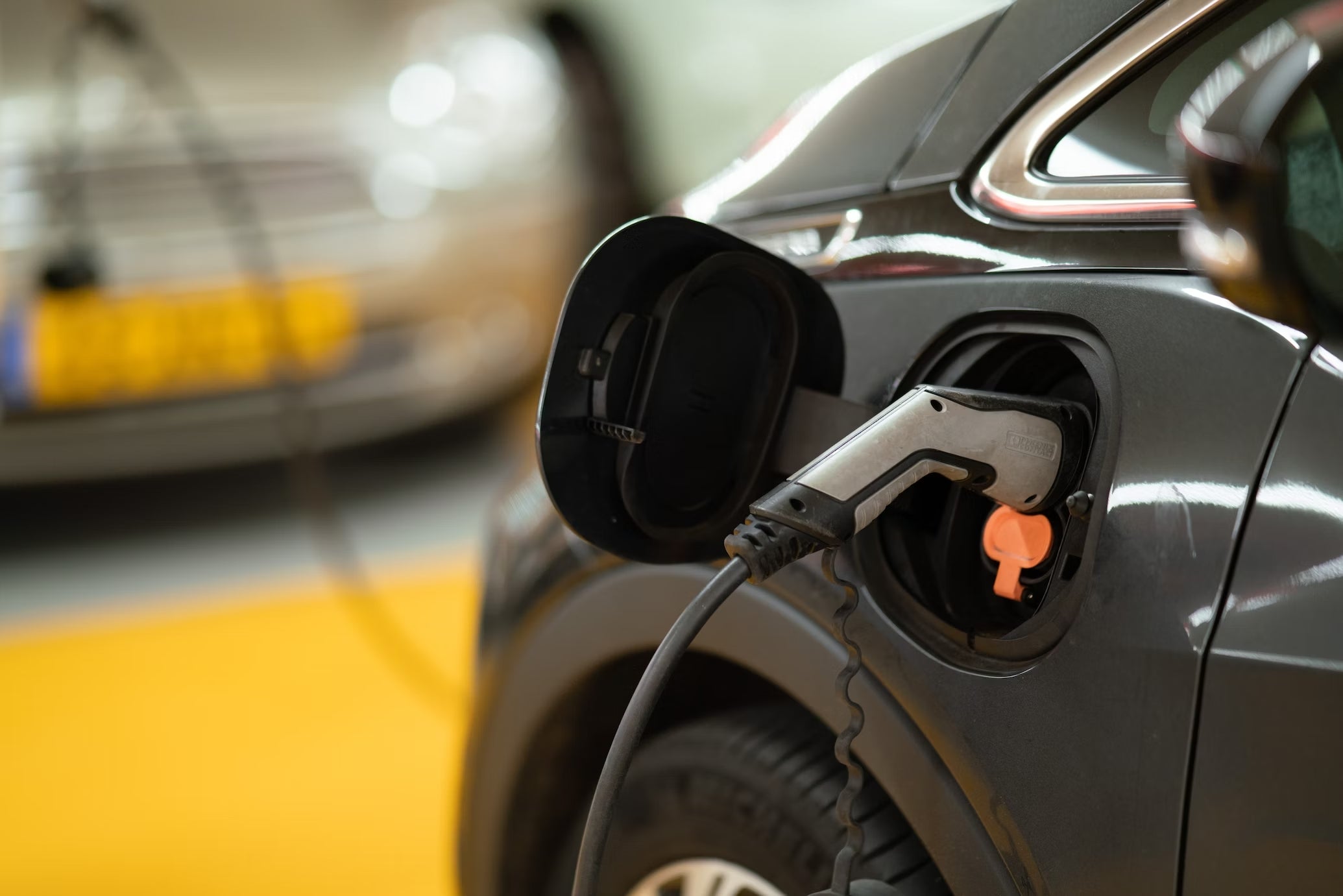
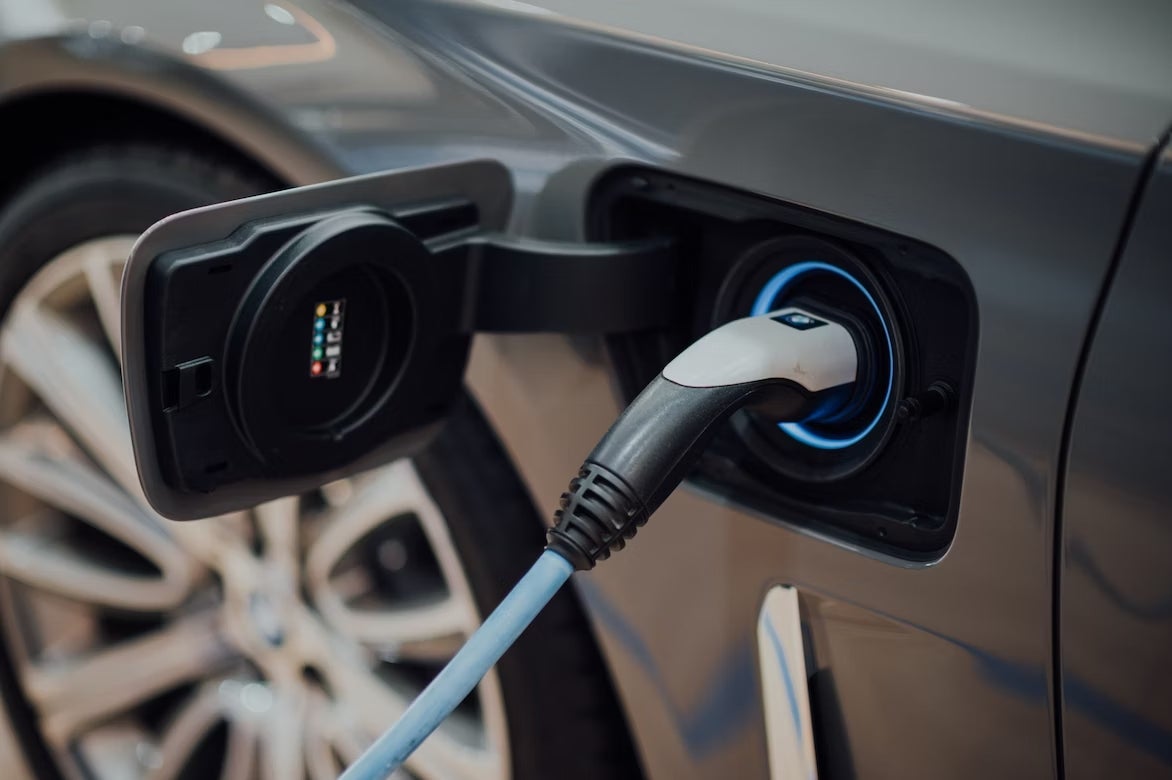
As the world moves toward a greener and more sustainable future, electric vehicles (EVs) have emerged as a key solution to combat climate change and reduce our dependence on fossil fuels. Recognizing the importance of accelerating EV adoption, California has implemented a range of tax incentives and rebates to encourage you to make the switch to electric. In this article, we delve into the exciting world of EVs and shed light on the generous tax incentives available to California residents. From purchase rebates to income tax credits, these incentives make owning an EV more accessible and financially advantageous than ever before. Why Drive an Electric Car? Did you know that drivers in California travel over a billion miles in just one day? This releases over 1,000 tons of pollutants and over 534,000 tons of greenhouse gas emissions into the environment. Driving an electric car in California offers a plethora of benefits. California is committed to environmental leadership, as it has set ambitious goals to combat climate change and improve air quality. By driving an electric car, you can actively reduce greenhouse gas emissions and your carbon footprint. To incentivize Californians to purchase EVs, the state has invested heavily in building robust charging infrastructure, ensuring everyone has convenient access to charging stations. The state also offers various financial incentives and rebates for EV purchases, making them more affordable and cost-effective in the long run. From tax credits to purchase rebates, these financial incentives are more reasons for you to choose electric cars, making it an environmentally conscious and practical choice. The Clean Vehicle Rebate Program The Clean Vehicle Rebate Program (CVRP), which the California Air Resources Board provides through the California Center for Sustainable Energy, is one of the best financial incentives for buying an electric car in California. As of 2023, you can claim: Up to $7,500 when you purchase or lease a new fuel cell vehicle. Up to $7,500 when you purchase or lease a battery EV. Up to $6,500 when you purchase or lease a plug-in hybrid EV. The project offers vehicle rebates available on a first-come, first-served basis. The aim of the rebate is to encourage you to choose greener vehicles by reducing the initial cost of buying one. You can use this savings calculator to work out your potential savings, depending on the vehicle you buy. Who Is Eligible for the CVRP? The CVRP rebates apply to specific eligible vehicles. If you're interested in applying for this rebate, we recommend checking which vehicles are eligible for the program. Rebates are available to California residents who meet certain low to moderate-income requirements. Income cut-offs for this group are for those who make up to 400% of the federal poverty level with these limits: $54,360 for a household of one. $73,240 for a household of two. $92,120 for a household of three. $111,000 for a household of four. $129,880 for a household of five. Federal Tax Credits While not specific to California, the federal tax credit is available for buyers of EVs. Eligible EV buyers can receive a federal tax credit of up to $7,500, depending on the battery capacity of the vehicle. However, it's worth noting that this tax credit is subject to a phase-out period based on the car brand's total sales of EVs. Here's what you need to know: New Clean Car Credit If you buy a new eligible fuel cell vehicle or plug-in EV, you may qualify for a clean vehicle tax incentive of up to $7,500. If you're looking to make use of this incentive, note that the new income limits for 2023 are: $300,000 for married couples who file jointly. $225,000 for heads of households. $150,000 for other filers. Used Clean Car Credit Since the start of 2023, you can take advantage of a used clean car tax credit. This credit is available when you buy an eligible used EV or fuel cell vehicle from a licensed dealer for less than $25,000. The credit applies to 30% of the sale price up to a maximum amount of $4,000. The new income limits for 2023 for used electric cars are: $150,000 for married couples who file jointly. $112,500 for heads of households. $75,000 for other filers. In both cases, we recommend checking that the vehicle you're interested in is eligible for these tax credits. The Clean Cars 4 All Program The Clean Cars 4 All program, which the California Air Resources Board provides, is available as an incentive for low-income households who are looking to exchange an older petrol vehicle in return for a new or used clean vehicle. The program is currently only available in a few large air districts, but officials have stated that it will expand across the state later this year. The districts currently offering these programs include: The Bay Area Air Quality Management District. Sacramento Metro Air Quality Management District (note: not all zip codes are eligible). San Joaquin Valley Air Pollution Control District. The South Coast Air Quality Management District. Drive Clean! Rebate Program If you're a resident of the San Joaquin Valley, you can qualify for the Drive Clean! Rebate Program if you're planning on buying or leasing a new electric car. You can receive up to $3,000 depending on the car you buy, and you can combine the rebate with the state rebate and the federal tax credit. This rebate has no income limitations, but we recommend checking which vehicles are eligible to avoid disappointment. In The Market For an Electric Car? There are so many fantastic reasons to own an electric car, from being more eco-friendly to saving money on fuel. And now, California is offering even more incentives to purchase an electric car with tax credits that make them more affordable and accessible. Are you interested in owning an electric car? We recommend visiting our dealership at Longo Toyota in El Monte, California, and taking one for a test drive. Our knowledgeable sales team can help you find the right EV for your needs. black and white usb cable plugged in black device by CHUTTERSNAP is licensed with Unsplash License

Toyota Air Filter replacement

How To Change Your Toyota Air Filter

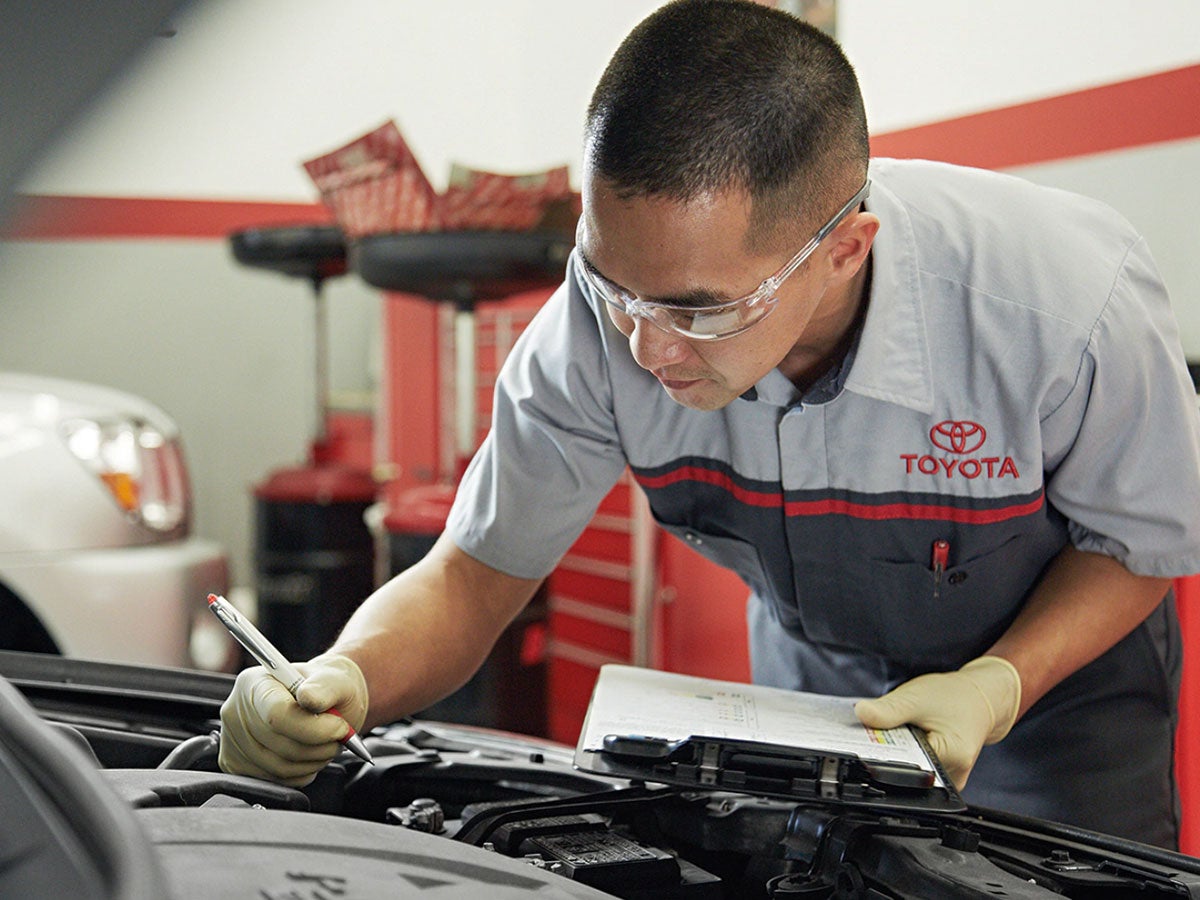
It's essential to perform routine maintenance on your Toyota to keep it running at its peak. That includes oil changes, tire rotations, brake service, and more. However, replacing the cabin air filter is one of the most commonly overlooked maintenance items. Every Toyota built in the last two decades has a cabin air filter. When the cabin air filter gets dirty, it restricts clean air from entering the cabin. Your cabin air filter removes road dust, pollen, spores, and soot from entering the cabin. As a result, you breathe in fewer contaminants, and your car smells fresh. In addition to affecting the air quality you breathe, the filter also prevents the defroster, cooling, and heating systems from operating correctly. So, to keep these systems running at their peak and prevent unwanted odors, we recommend changing your cabin air filter at least every 15,000 miles. Your owner's manual has the exact interval. However, your driving habits and the environment can affect how often you need to change the filter. Tools You Need To Change Your Cabin Air Filter We recommend you always wear protective eyewear when working on your Toyota. For this job, your protective glasses will help keep dirt and dust from entering your eyes as you work. We also suggest a pair of latex or similar material gloves. These protect your hands from getting dirty while keeping the dexterity in your fingertips. You'll only need a screwdriver, most likely a Phillips head or cross point. And, of course, you'll want the new cabin air filter. You can find replacement filters at most chain auto parts stores. However, these stores often use aftermarket air filters, which we don't recommend. We strongly suggest you use genuine original equipment manufacturer (OEM) Toyota parts for all your maintenance and repair needs. Aftermarket parts only need to fit right and work to earn the label. These manufacturers aren't held to the high standards as OEM parts manufacturers. You can consider an OEM part to be the exact same part used when your Toyota was first built. It's made from the same materials, works to the precise standard, and is precisely the same size as the original. So, you can count on OEM parts to fit right, work properly, and last longer than parts produced by third-party manufacturers. Longo Toyota's parts department has an expansive inventory of cabin air filters at competitive prices. You can order your filter online, and we'll have it ready when you arrive. Once you have what you need, you're ready to begin. Step 1: Remove the Glove Box Pin Most cabin air filters sit behind the glove box. We recommend emptying the glove box before you begin to prevent it from spilling its contents when you remove it. Next, locate the pin on the outside of the glove box. Use your screwdriver to remove the screw holding the pin in. Then, simply slip the pin out of the hole on the screw arm. Make sure you put the screw someplace safe. Step 2: Lower the Glove Box Some glove boxes have a band that prevents the glove box from falling when you remove the pin. If you see a band, remove it and put it next to your screw. Next, you'll need to gently squeeze both sides of your glove box to the inside. This will remove the tabs from the grooves that the glove box uses to slide open and closed. Your glove box will hang from its hinges at this point, so be careful not to push down on it and risk damaging the hinges. You should see the side of your cabin air filter fit snugly in its slot. Step 3: Remove the Old Cabin Air Filter Your cabin air filter is held in place by a cover panel. Squeeze tabs are found on either side of the panel to remove it. Once you remove the cover, gently pull out the old air filter. Be sure to note the airflow directional arrow, and remember, your old filter is likely filled with dust and debris. Your glasses will come in handy now. Step 4: Clean the Filter Housing If you have a vacuum cleaner with an attachment to reach small places, we recommend you use it to clean the filter housing. However, a damp cloth with a gentle cleaner will also do the job. Step 5: Insert the New Cabin Air Filter Before inserting the new cabin air filter, confirm the airflow direction is correct. Be gentle. Your cabin air filter is delicate, and you don't want to rip or break it. Once you have it in place, you can replace the cover panel. Step 6: Put the Glove Box Back in Place The next step is steps 1 and 2 in reverse. Raise the glove box and squeeze the sides to put the tabs back in their grooves. If you removed a band, put it back on now. Then, you need to return the pin and secure it with the screw. Now it's safe to return the contents of your glove box. Congratulations. You're done. Can I Get Professional Help To Change My Cabin Air Filter? At Longo Toyota, we know not everyone has the time or inclination to perform maintenance at home. Even a simple job such as changing your cabin air filter can present problems. Parts can break, screws can get lost, etc. If you don't feel like changing your cabin air filter at home, we can help. Our service center technicians have the training and experience to change your cabin air filter quickly and for much less than you might imagine. In most cases, we can perform this service during your routine oil change or tire rotation without adding time to your visit. Schedule Your Cabin Air Filter Service in El Monte, California If you can't recall the last time you had your cabin air filter changed, it's probably time to do so. Even if you don't detect funky odors, your Toyota systems may not be operating at their peak. We invite you to schedule a service online. Pick a day and time that works for you, and let us handle the rest. Cabin Air Filter Change by Ryan Gsell is licensed with CC BY 2.0

Toyotas are reliable

What Makes Toyotas So Reliable?

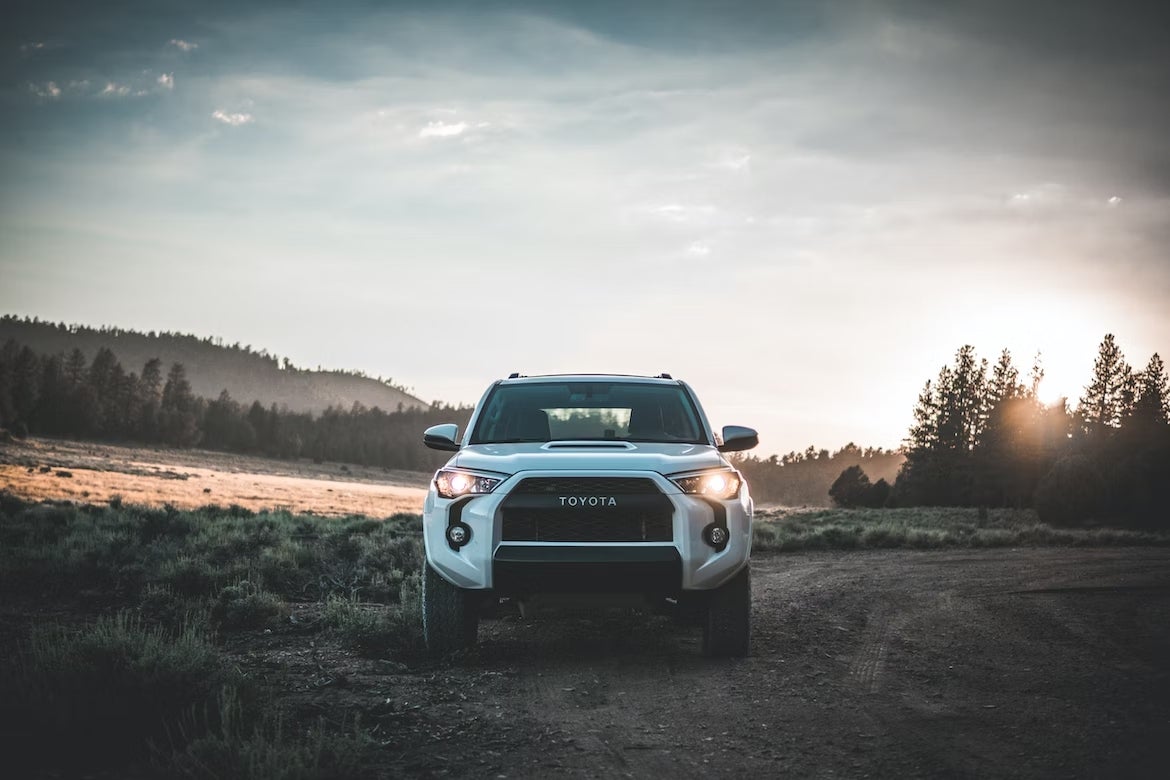
Toyota is the world's second most valuable car brand and has remained a firm favorite with American drivers. This Japanese car manufacturer sells over 10 million vehicles in the U.S. annually, with bestselling vehicles, such as the Corolla and the RAV4, increasing its market share. One of the key drivers of Toyota's popularity and success in the United States is the reliability of its vehicles, which keeps the discerning motorist returning again and again. In this short article, we'll help you understand why Toyotas are a popular vehicle choice by offering seven reasons why these vehicles are so dependable. Toyota Product Development System Toyota's ability to repeatedly and successfully bring reliable vehicles to the market is an exceptional accomplishment. Part of its success is due to Toyota's holistic approach to designing a new car. Rather than being exclusively product-focused, Toyota uses an in-house product development system that looks at various areas of product development, including its tools, technology, processes, and people. The Toyota Product Development System is very customer-focused, addressing the needs and requirements of customers like yourself to identify the type of product to produce. The developmental stages of new vehicles involve a wide exploration of options for product delivery. Toyota standardizes and benchmarks vehicle design and development to ensure that the finished product you receive is of a high standard. Toyota also takes time to make sure that the right personnel drive the development process, soliciting feedback from every level of the company and keeping suppliers involved to ensure successful and sustainable outcomes. Toyota Production System You can easily differentiate Toyota from its competitors through its unique and innovative manufacturing processes called the Toyota Production System (TPS). Toyota developed the TPS in the 1950s with input from renowned U.S. industrial engineer, Dr. W. Edwards Deming. It's based on 13 principles or pillars, which include often-overlooked concepts such as learning from mistakes, fostering teamwork,  and incorporating human intelligence in automated processes. High levels of staff engagement and an emphasis on direct problem-solving anchor Toyota's quality and consistency, ensuring that the brand continuously delivers outstanding products. Kaizen Kaizen is probably the best-known of the TPS pillars. The word is a combination of Japanese words meaning “change for the better.” This groundbreaking concept fosters a company culture at Toyota to continually strive for improvement. You can see the effects of Kaizen in every aspect of Toyota production, which has been streamlined over decades to increase efficiency, minimize waste, and implement changes more quickly. Total Quality Management When it comes to building a truly reliable vehicle on a mass manufacturing basis, quality control is essential. Toyota has been proactive in addressing this by using total quality management to identify and tackle errors in the manufacturing of its vehicles promptly.  Any worker can stop a Toyota assembly line to address and correct manufacturing defects and other problems, reducing the chances of a fault being present in finished vehicles. Toyota invests in the continual reduction and elimination of errors, paired with engaged customer service that keeps the company aware of the performance of the vehicles it has sold. This is crucial to ensuring that you receive a high-quality vehicle throughout the supply chain. Toyota also prioritizes responsive customer service, so you can rest assured that the automaker will solve any aftersale problems quickly. Engineering at the Heart of Design Toyota's emphasis on engineering is key to the reliability of its products, with the company investing heavily in building teams of engineers who can develop vehicles that perform with longevity. Toyota has paid attention to the development of engine components that function well without being pushed to the limits of their performance. This strategy of making engine and mechanical parts capable of withstanding greater forces than you'd likely expose them to is known as overbuilding, and it's the secret that makes Toyota engines extremely durable and resilient. Supply Chain Quality Toyota is reliant on high-quality materials and parts to make vehicles that last. Therefore, the company pays great attention to the source and quality of its supply chain, establishing strong relationships with suppliers and integrating them into its assembly processes. By working closely with suppliers, Toyota can ensure it always has the best possible parts, with problems addressed early and in partnership. Toyota also uses supplier relationships to make sure that the materials it sources maintain a consistent standard globally and that you can readily source exact replacement parts for your vehicle wherever you are in the world. Diligent Product Testing Toyota excels in the rigorous testing and innovation of its vehicles and parts. You can rest assured that Toyota has thoroughly tested each component of your Toyota before the vehicle or its related products left the shop floor. Toyota routinely rejects entire batches of engine components because of a single failed part, with detailed analyses that include X-rays, ultrasound, heat and cold stress testing, and simulations. Before your car leaves the factory for a Toyota dealership, it will have met Toyota's exacting standards. Made in the U.S. When you buy a Toyota in the El Monte area, you're likely buying an American-made vehicle, as Toyota manufactures almost half its inventory in the United States. Toyota has invested in American assembly plants because of the quality of the workforce and the high product standards they deliver. By manufacturing vehicles in the United States, Toyota also keeps costs down and ensures that the vehicle will deliver reliable performance in the area where you'll use it. Local manufacturing, parts, and expertise mean that you can rest assured that you can service your Toyota to the highest standards, maximizing its life span. Keep Your Toyota on the Road With Longo Toyota Buying a Toyota provides peace of mind that you'll enjoy a reliable vehicle that has been put through its paces. Toyota's commitment to quality doesn't end once you leave the showroom. Your local Toyota dealer offers dedicated aftercare that safeguards your vehicle's performance. Visit the Longo Toyota dealership in El Monte to learn more. parked white Toyota vehicle by joshua yu is licensed with Unsplash License

Custom Toyota Tacoma Offroad

626 Customs Powered by Longo Spotlight

Sometimes the factory settings and design of your vehicle just don't cut it. Perhaps you want your Corolla to stand out with tinted windows, or you'd like to freshen up the paintwork on your RAV4. Whether your customization plans are straightforward or extensive, our professional Toyota team in El Monte can help. Feel free to browse our customization ideas, and don't hesitate to reach out to us if you want to discuss your own plan. Our service and parts teams are standing by to use the very best original equipment manufacturer (OEM) parts to carry out your customization project. Toyota Customization in El Monte Toyota drivers stop by Longo in El Monte to get their vehicle customized for a wide variety of reasons. Some customization jobs focus on altering the visual appearance of your car, including the paintwork or wheels. Others concentrate on altering or improving aspects of the vehicle to suit your needs. For instance, you could customize your suspension for improved off-road performance, or add additional cargo storage features to the interior of your truck. Our team has experience in carrying out all these customizations and many more. We perform vehicle customizations in our well-equipped service center, where our auto technicians use the best tools and components to get the job done. If we require parts or accessories, we rely on the OEM components available in our El Monte parts department. To get a quote for your project, you can talk to one of our team members on the phone or by filling out the contact form on this page. We're committed to transparency and fair pricing, so you can be confident that any quote we provide will be competitive. You can also depend on the quality of our work thanks to our Toyota-certified team of auto mechanics. Each member handles a simple upgrade or complex customization with the same care and attention that you'd expect from a Toyota dealership. Popular Toyota Customization Options We're happy to work with you to come up with a personal customization project. But if you're looking for some inspiration or just want to keep things simple, here are some of our most popular customization options. You can select a single service or combine them into a package depending on your needs. Window Tinting Window tinting is a common customization choice. Tinted windows can help protect your eyes from the bright California sunshine and slow down wear caused by sunlight on your interior surfaces. Rear window tinting starts from $199.88. Rear windows in a van or SUV cost $277.88, while we charge $99.88 to add tinting to front windows. Vinyl Wraps Vinyl wraps can give your vehicle a sleek finish so that it stands out from the crowd. We can provide full and partial vinyl wraps for your Corolla or Camry. We can also add black or chrome trim and other finishings to complete your desired look. Full vinyl wraps start from $2,499 for couples, $2,999 for sedans, and $3,499 for trucks, vans, and SUVs. Cabin Customizations If you're more interested in upgrading your interior, why not replace your cloth seat covers with leather upholstery? Leather seats are not only more comfortable but can give your Toyota's cabin a more upscale appearance. If you drive a two-row Toyota, our leather upgrade start from $1,895. Three-row vehicles can get the same treatment starting from $2,399. Cosmetic Repairs We also offer cosmetic protection and repair services. For instance, a clear protective film can protect your paintwork from chips, scrapes, and debris. We can also repair dents and bumps so your car looks good as new. Additionally, chips and scrapes on your wheels are easily repaired in our service center, whether you're riding on OEM rims or an aftermarket set. Our most basic paint protection package is for the front bumper and hood, and it starts at $699. Our dent repair service has a starting price of $78.88. Wheel repairs are on offer at $88.88 per wheel. Toyota Vehicle Customization Options Our customization services are available for all vehicles in the Toyota lineup. Whether you drive a compact Corolla, an off-roading 4Runner, or a Tundra work truck, we're sure you'll find a customization option to suit your needs. City drivers may prefer to give their Corolla a sportier appearance and add some high-performance features, such as alloy wheels and sports brakes. Off-roaders can equip their crossover with the technology and equipment to handle the toughest trails. And truck drivers can fit their cargo beds with improved cargo-carrying options and add trailering tech features to make towing heavy loads much easier. Toyota Accessories A big part of customizing your vehicle could involve finding the right accessories for the job. Luckily, our Toyota parts department is well stocked with Toyota accessories designed to suit your vehicle. They include everything from luxury seat covers and floor mats to storage organizers for your cargo area, roof racks, and premium stereos. You can browse the accessories we've got on offer and place an online order. Alternatively, we'd be happy to help you find the best accessories to configure your Toyota the way you want it. Once you've selected the accessories you want, we can fit them for you to a professional standard. OEM Toyota accessories offer a better fit and performance than their aftermarket competitors since they're designed with your specific vehicle in mind. Combined with our professional installation, OEM accessories will provide durable and long-lasting benefits to your driving experience. Ready To Customize Your Toyota in El Monte? We hope we've given you some new ideas about how to customize your car and shown you how the team at Longo Toyota can help. If you're ready to get your vehicle customization in El Monte started, feel free to contact us today. In addition to helping you finalize your customization plans, we can talk to you about financing options to make the cost more manageable. Breaking up the price over several monthly payments can make your dream vehicle a more realistic and affordable option. Check Out 626 Customs Powered By Longo!

Toyota Tacoma Towing Capactiy

Towing Capacity of Popular Toyota Trucks & SUVs

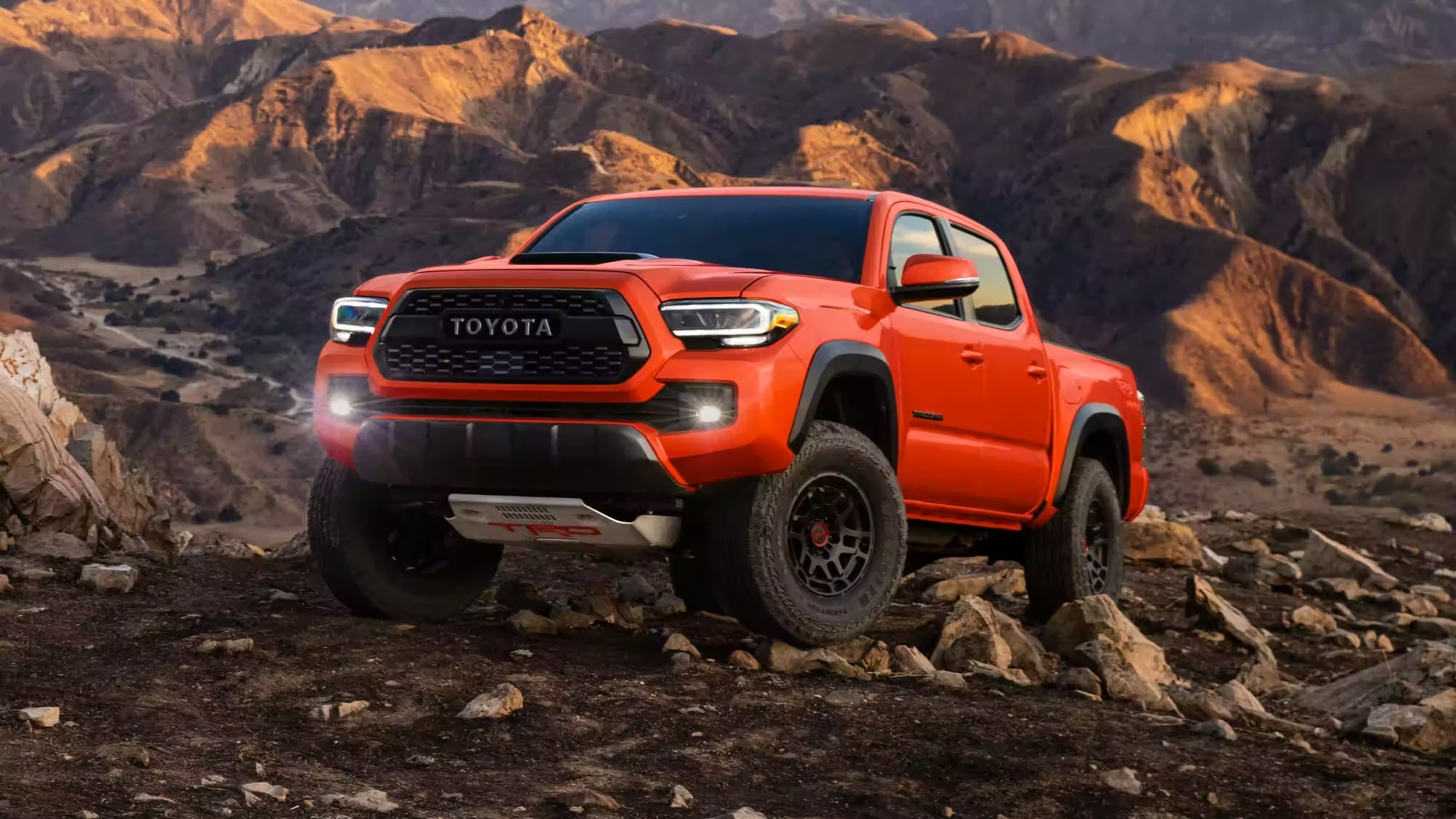
When it comes to hauling heavy loads and tackling rugged terrain, Toyota trucks and SUVs have earned a reputation for being some of the best options on the market. With their high-level engineering and advanced features, these vehicles provide drivers with the power and reliability needed to tow trailers, boats, and other heavy cargo. Whether you're a weekend adventurer or a professional in need of a workhorse, these Toyota vehicles are sure to deliver the performance you're looking for. For this article, we'll focus on vehicles from the 2023 model year. Toyota Tundra The Tundra is well-regarded for its powerful drivetrain and robust towing capacity. The 2023 Tundra's tow rating will vary depending on factors such as the gearbox, cabin size, bed size, and trim level. Even without the available hybrid motor and heavier body that the bed length and cabin style provide, the Tundra can haul an impressive 8,300 lbs. If you want to max out your Tundra's towing ability, go for the SR5 trim in rear-wheel drive with the double cab and 6.5-foot short bed. Regardless of the trim and packages you opt for, the Tundra is one of the best trucks available when it comes to towing. Toyota Tacoma People tend to associate the Tacoma with off-road capabilities than raw power, but that doesn't mean it can't haul significant loads. The 3.5-liter V-6 engine paired with the available tow package can boost the Tacoma's tow rating to 6,800 lbs. Even if you're not towing, it can handle a payload of 1,685 lbs, allowing you to bring everything you need on your next camping trip or weekend getaway. The Tacoma is a great option for many drivers, from those who need a versatile truck for outdoor adventures to those looking for a work truck to bring to their next job site. Toyota 4Runner With a 4.0-liter V-6 engine, an integrated towing hitch receiver, and a wiring harness with both four- and seven-pin connectors, the 4Runner is a world-class SUV when it comes to towing. Every 4Runner trim in the 2023 model year has a towing capacity of up to 5,000 lbs. Paired with a maximum interior cargo volume of nearly 90 cubic feet, the 4Runner provides the hauling capabilities of a truck and the versatility of an SUV. When selecting your 4Runner, keep in mind that factors such as curb weight, gross vehicle weight rating, and seating capacity vary between the trims. Toyota Sequoia The Sequoia is the ideal SUV for families adventuring around California. With an interior packed with advanced features and generous interior dimensions, it's easy for the whole family to get comfortable in a Sequoia. It also delivers the high-level towing capability you're looking for to bring your favorite weekend toys on your next trip, maxing out at 9,520 lbs when properly equipped. Drivers who want the highest-rated towing capacity should look to get behind the week of an SR5 in either the two-wheel-drive or four-wheel-drive variant. Even the lowest-rated trim, the Capstone, can still handle loads upwards of 9,000 lbs. Safe Towing Practices Before you capitalize on the impressive towing capabilities of your shiny new Toyota truck or SUV, it's important to understand the basic rules of towing. The following tips will help you stay safe and reduce the risk of an accident when you're hauling cargo. Know Your Vehicle's Towing Capacity Attempting to tow something heavier than your vehicle can handle is a recipe for disaster. Avoid exceeding your vehicle's towing capacity under any circumstances, as it can be extremely dangerous to both you and your vehicle. Use the Correct Hitch From ball to pintle to fifth wheel, there are several types of hitches in use today. Take time to research the right hitch for your vehicle and the weight of the load you're going to tow. A hitch that isn't functioning properly can cause the load to sway or, in some cases, even detach from the vehicle. Regularly Inspect Your Towing Equipment You should conduct thorough inspections of your towing equipment every time you want to tow something. First, ensure that the hitch ball is the correct size for the coupler and that it's properly tightened. Next, check the safety chains aren't too loose or too tight and that they're attached to both the vehicle and the load. Finally, inspect the brake controller to make sure it's working properly. These routine checks may seem like a waste of time when you're performing them, but they could make all the difference when it comes to preventing deadly accidents. Drive Safely It may seem like common sense, but driving safely is paramount while towing. It's always a good idea to further exaggerate normal safe driving habits, such as reducing speed, leaving more space between you and the vehicle in front of you, and avoiding sudden stops or turns. Always keep in mind that towing heavier objects can reduce your vehicle's performance when it comes to handling and braking. Use a Spotter Even the most experienced haulers can use some help every once in a while. Having a spotter when backing up or navigating through potentially hazardous areas can make life easier when you're towing a large or difficult load. Practice Makes Perfect At the end of the day, your vehicle's towing capacity is useless without a skilled driver. For both beginners looking to learn and veterans hoping to stay sharp, finding a safe area to practice maneuverability can be beneficial ahead of your next towing adventure. Find an Adventure-Ready Truck or SUV at Longo Toyota Now that you have some basic knowledge of the towing capabilities of Toyota's most popular trucks and SUVs and best practices for safe towing, you're ready to take the next step. Stop by our El Monte, California dealership, and our team will be happy to help you find the perfect new Toyota for your lifestyle. Before you stop in, check out our new inventory to see what vehicles we currently have on our lot, or contact us to schedule a test drive. Image by Bradley Dunn is licensed with Unsplash License

Toyota Key Fob Battery Changes

How to Change Your Key Fob Battery

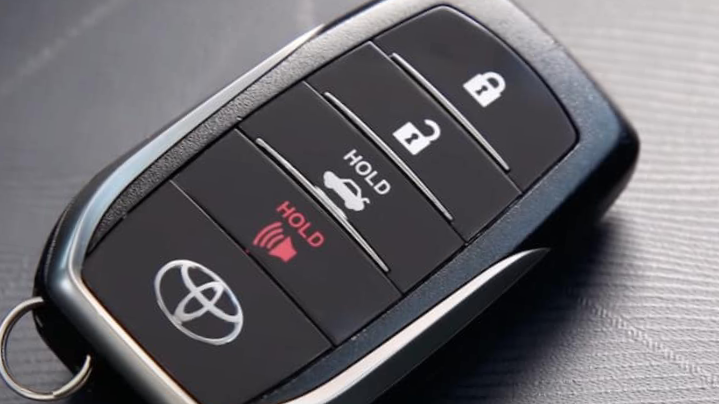
Do you remember the good old days when car keys were simple, flat metal pieces with notches on them? Nowadays, almost every car comes standard with a keyless remote that makes locking and unlocking your car doors effortless. You don't have to fiddle with a key to open the door or turn on the ignition. It's also much more secure than traditional car keys. It's amazing how far we've come, right? This keyless remote, also called a key fob, contains a radio frequency identification (RFID) chip and antenna, which uses radio frequencies to connect with the car's locking system. Compared to their archaic counterparts, these keys are super futuristic and incredibly convenient until you have a dead battery. You might find yourself suddenly stranded and unable to get into your car. Luckily for you, Longo Toyota in El Monte, California, offers service solutions for Toyota key fob battery replacement or any other vehicle issues you may be experiencing. But if you're the hands-on type, read our step-by-step guide below for how to replace your Toyota key fob battery from the comfort of your home. How To Replace Your Toyota's Key Fob Battery Knowing how to replace a key fob battery in a pinch is crucial. Luckily, the process is relatively simple. Here's how to do it: Follow Our Video Guide We recoded the process of replacing your battery step-by-step here, but if you aren't able to watch the video, or if you prefer written instructions, feel free to follow our guide below. Remove the Metal Emergency Key From the Key Fob The first step is to locate and pull out the metal key tucked away in the key fob. To do this, press the small metal button at the top of the fob to release the key. Pull out the key and set it aside. Open the Key Fob Next, take apart the key fob to access the battery. For newer Toyotas, this involves using the hidden key blade to open the case, which conveniently fits right into the rectangular slot. If you have an earlier model Toyota, you'll need to pry open the fob using a flat-head screwdriver or something similar. Insert the screwdriver or flat tool into the little visible notch on the case and turn it to pop open the fob. Access the Battery Compartment Once the key fob is open, you'll see a green rectangular circuit board. To access the dead battery underneath, lift the circuit board or remove it altogether. Be sure to do this carefully, as you don't want to damage any of the key fob's internal components; if you do, you may need to replace the entire fob. Determine the Kind of Key Fob Battery You Need Before shopping for a replacement battery, note the kind of battery your key fob uses and how it sits in the case. You may want to take a photo of the battery, as you can easily reference the image when shopping or reassembling the fob. Most Toyota key fobs use a CR2032 battery, which you can find online and at most big-box retailers. Another way to determine the battery type your Toyota vehicle requires is to read the owners manual. The manual should provide detailed information on what battery type to use and how to replace it properly. Ensure you're buying the correct type and size, or it may not work. Replace the Dead Battery Once you have the replacement battery, you can remove the old one from the key fob. Carefully insert the new battery into the same position, keeping the battery name visible to you. Once it's in place, put the circuit board back over the new battery and snap both pieces of the key fob together. That's it; your key fob should work again. Test the Key Fob After resealing the fob, you'll want to test it to ensure everything works properly. Try unlocking and locking your car door. Open the trunk and test the alarm to ensure it works. If everything is working correctly, congratulations; you've successfully replaced the battery in your Toyota key fob. If it doesn't respond to your commands, reopen it to double-check that you fully inserted the battery into the correct position and that the circuit board is in the right place, as this can indicate if replacing the battery solved the issue or if the remote doesn't work. Signs You Need To Replace the Key Fob Battery It's easy to overlook that the key fob runs on a small battery. And like any other battery, its life span is limited. To avoid being stranded with a key fob that suddenly stops working, watch for signs that your Toyota's key fob battery is running low. Some indicators that you may need to replace the battery in the key fob include the following: You notice reduced signal strength: Generally, modern key fobs can send a signal to a vehicle within a range of 50 feet. If your keyless remote doesn't unlock or lock the car or start the engine as effectively as it should, it's probably time to replace the battery. The light on the key fob is dimmer: Like other battery-powered devices, the light on your key fob will get dimmer when the battery is low. Pay attention to the device's light and ensure you get a new battery if the illumination appears to be fading or growing dimmer. The key fob is sluggish: Although it's easy to overlook, if you feel a slight delay between pressing the button on the key fob and the device responding, it's probably time to replace the battery. A well-functioning key fob should unlock or lock your car with a single press. What Should You Do if Your Toyota Key Fob Is Inoperable? If the key fob isn't responding to your commands and you've tried replacing the battery without success, it may be time to replace the entire fob, especially if it's damaged or cracked. Longo Toyota can help. We offer a variety of genuine original equipment manufacturer (OEM) key fobs for all Toyota makes and models. Our certified service technicians will happily program and install the new key fob for you. Contact us or visit Longo Toyota's state-of-the-art service center to learn more about our key fob and battery replacement services or to ask about our vast selection of used SUVs for sale! Car Keys on White Surface by Brett Jordan is licensed with Pexels License

How Long do Brakes Last on Toyotas?

How Long Do Brake Pads Last?

A well-maintained braking system is critical to keep you, your fellow passengers, and other motorists on the road safe. Brake pads wear down over time and typically need replacing after two or three years of driving. If you fail to replace them in time, you can cause damage to other components and risk an accident due to poor braking performance. Here at Longo Toyota, our professional service team handles brake maintenance jobs daily. We've put together a guide based on some of the most common questions we get asked about brakes. What Are Brake Pads? Brake pads are usually made from organic or ceramic material. When you hit the brake pedal, they squeeze against your vehicle's brake discs to bring your car to a swift stop. Vehicles using drum brakes have a slightly different braking mechanism, and the pads are known as brake shoes. Whether your Toyota has brake pads or shoes, they'll wear down over time and require replacing. How Can You Tell When Brake Pads Need Replacing? Most modern brake pads have a built-in mechanism to alert you when it's time to replace them. It consists of a thin metal strip located inside the pad. When the pad wears down to a certain point, the thin metal strip is exposed to the brake disc, causing a squealing sound when you hit the brakes. Your pads will still be thick enough to work for a short while afterward, giving you adequate time to book a service appointment. Keep in mind that there may be other reasons why your brakes are squeaking. For instance, brakes often squeal after a rainstorm due to moisture. If they only squeal two or three times, you don't need to worry about the condition of your pads. If you miss or ignore the built-in warning sound, you may hear a grinding or growling sound when you brake. This sound suggests that the metal backing plates are scraping directly against the brake disc. In this case, urgent action is needed to prevent severe damage to brake components that can be quite expensive to replace. Other symptoms of worn brake pads could be if your vehicle pulls to one side when you brake. You may also notice that your vehicle takes longer than usual to come to a stop. An alternative to looking out for these warning signs is to inspect the thickness of your brake pads regularly. This task can take some time since you may need to remove your vehicle's wheels. You can then look down to see the brake pad in the caliper. If it's less than a quarter-inch thick, it's time to make an appointment to get replacement pads fitted. When Do Brake Pads Need Replacing? Brake pads usually last anywhere from two to three years, and your driving habits can greatly impact their life span. For example, some drivers accelerate unnecessarily and slam on their brakes when they reach a red light or get caught in traffic. These habits will result in your pads suffering considerable wear and tear. They're much more likely to last longer if you drive at a modest speed on city roads, meaning you can use your brakes more sparingly when you need to come to a stop. The life span can also be affected by the type of material the pads are made from or the type of vehicle you drive. For instance, high-performance sports brake pads are designed to cope with high speeds better than standard brake pads, so they should wear and tear less rapidly. What Other Brake Components Require Maintenance? In addition to your brake pads, your rotors will eventually require replacing. These components tend to last longer. Their life span ranges from 50,000 to 70,000 miles, approximately four to six years for the average driver. How well you look after your pads will affect the life span of your rotors since poorly maintained brake pads can damage them. When you hit the brake pedal, fluid travels through your brake cables to apply the necessary pressure to bring your Toyota to a stop. Over time, the fluid can get contaminated due to wearing parts or debris from an external source. Your cables can also become damaged or blocked by air. To guard against these problems, your fluid should be flushed occasionally during a regular maintenance check-up, and your cables should be inspected. The most effective way to keep on top of any problems with your brakes is to have your braking system regularly inspected by a service professional. We can do that for you here at Longo Toyota as part of our multipoint inspection. These inspections allow us to look at the most important parts of your car during each maintenance visit to ensure they're in good working order. How Should I Choose Replacement Brake Pads? You can get a recommendation for the best brake pads for your Toyota by consulting your owner's manual. The recommendation may be the same original equipment manufacturer (OEM) brake pads originally put into the vehicle in the factory. If you can't find your owner's manual, one of our Toyota experts can advise you which brake pads to buy from our well-stocked parts department. If you drive a large vehicle, such as a Tundra pickup, you may require heavy-duty brake pads. Sports car drivers may prefer high-performance brake pads, while most crossovers, such as the Highlander or RAV4, can manage just fine with a standard-designed brake pad. Ready to Get Your Brakes Checked in El Monte? Now that you know more about the importance of brake maintenance and when to change your brake pads, why not reserve an appointment at our service center in El Monte, California? You can choose a time to fit your busy schedule or drop by our dealership during opening hours. If you have questions about brake pad replacements or want to buy OEM pads at an affordable price, our parts team is on hand to help. Feel free to contact us today with any questions about your brakes or other maintenance issues.

Electric Vehicle Plugged In

Can Electric Cars be Plugged In Anywhere?

Here in the El Monte area and all across California, electric vehicles (EVs) are becoming more and more popular. If you're considering purchasing an EV, it's a good idea to understand in advance where and how to charge it. If this is your first EV, you might be used to filling up at the pump, so the possible convenience of charging at home could be an exciting new experience. Read on to learn more about the different types of EV chargers and connectors and how you might be able to charge your EV at home. How Does EV Charging Work? There are three EV charging methods: Level 1, Level 2, and direct current (DC) fast charging. Level 1 Charging Level 1 charging is the simplest and slowest method of charging an EV. With Level 1 charging, approximately 3 to 5 miles of range are added per hour of charging. More than a day would typically be needed to fully charge an EV's battery with Level 1 charging. Any EV can be plugged into a standard 120-volt wall outlet for Level 1 charging; you do not need any additional equipment. Level 2 Charging Compared with Level 1 charging, Level 2 charging is much faster. With Level 2 charging, approximately 20 to 25 or more miles of range are added per hour of charging. An overnight charge is usually sufficient to fully charge an EV's battery with Level 2 charging. Level 2 charging requires having an electrician install a particular charging station with a dedicated 240-volt electrical circuit. All EVs can use Level 2 chargers. These types of charging stations may be found in public areas or in some homes. DC Fast Charging Although you might sometimes hear DC fast charging referred to as Level 3 charging, that name is not technically correct. DC fast charging is the quickest method of EV charging available. This method requires a 480-volt connection, and not every EV can use DC fast charging. These types of charging stations may be found in some public areas. Approximately 10 miles of range are added per minute of charging. A 20- to 60-minute charge would be sufficient to charge a typical EV's battery to roughly 80 percent capacity. Charging Curve When you plug in an EV to charge the battery, you might notice that the battery quickly gains charge until it is about 80 percent full. After this time, the charging rate slows down. This variation of speed at which the battery charges is called the “charging curve.” The curve differs from one EV to another and can change depending on battery temperature or weather conditions. It can be helpful to keep the charging curve in mind if you're charging your vehicle in the middle of a road trip or in a public station where others are waiting. Connectors There are several types of EV connectors. The type of connector your vehicle has may determine which charging stations you can use. SAE J1772: This connector typically comes standard with your vehicle and is the most common type of connector in use. The SAE J1772 connector can use Level 1 and Level 2 chargers. SAE Combined Charging System (CCS) or J1772 CCS Combo: This connector allows the EV to plug into a DC fast charging system. CHAdeMO: This connector is found in many Nissan and Mitsubishi vehicles and is also used for DC fast charging, similar to the CCS connector. Tesla Connector: The Tesla connector is only used in Tesla vehicles for Level 1, Level 2, and DC fast chargers. Can EVs Be Plugged In Anywhere? EVs can be charged in many places, including homes, workplaces, and public areas. However, certain types of charging stations might be limited to specific locations. Charging at Home A standard 120-volt wall socket is sufficient for Level 1 charging. This means that you can charge your EV at any home. Because Level 1 charging is the slowest method, you might also choose to install a 240-volt line at home for Level 2 charging. If you charge your EV at home, the price of the electricity used should appear on the homeowner's electricity bill. This means that you may want to consider charging during off-peak times if your electric company offers discounted rates. Charging at Work Your workplace may offer Level 2 EV charging stations for employees. If this is the case, leaving your vehicle to charge during your working hours may be convenient. Charging in Public and on the Road Public EV charging stations, often Level 2, may be found where people are likely to park cars, such as parking garages and lots. DC fast charging may also be available. Depending on the charging station, there may be a fee to charge your vehicle, or it might be free to use. If you're driving in a new place or taking a long trip, it's a good idea to determine where you can charge your EV on the go. Is At-Home Equipment Compatible With Charging Electric Cars? Yes, at-home equipment is compatible with charging electric cars. The charging speed will depend on whether Level 1 or Level 2 charging is used. Because a standard wall outlet is sufficient for Level 1 charging, no additional equipment is needed to use Level 1 charging at home. If you want to use Level 2 charging at home, a Level 2 charger needs to be installed by an electrician. This will require a 240-volt outlet. DC fast charging is not available in homes. Ready To Test-Drive an EV? At Longo Toyota, we are happy to help you with anything you need when considering EVs. Our knowledgeable team is happy to answer all of your questions and help you find the best EV for you. You can also browse our inventory if you're interested in a hybrid vehicle or a vehicle with a gas-powered engine. Come and see us at 3534 North Peck Road in El Monte, or give us a call at 626-539-2113. Black and silver car steering wheel by Michael Fousert is licensed with Unsplash License

Ramen Ichiraku in El Monte

Best Ramen Spots Near El Monte, CA

Ramen is a delicious Japanese noodle soup that usually consists of a rich broth, a mix of vegetables, and a choice of meat such as beef, pork, or chicken. What makes this dish complete is the perfectly cooked ramen noodles. These dishes are often topped with a boiled egg to add some extra richness. If you enjoy ramen, you can consider checking out several places in and around the El Monte, California, area that serve it. Take a look at some of the best spots for your next ramen bowl, and get ready for a delicious experience. Tonkotsu House Ramen Tonkotsu House Ramen first opened its doors in 2020, specializing in pork broth ramen. The restaurant is small but offers full dine-in service, takeout, and delivery. The extensive menu features a variety of pork-based ramen bowls and some vegetarian options too. The Tonkotsu Ramen is always a good choice. It consists of pork broth, pork chashu, a seaweed sheet, kikurage mushrooms, beansprouts, and a half soft-boiled egg. You can also get a spicy version of this bowl. The Tantanmen Ramen is also delicious. It has beansprouts, bok choy, corn, and shredded meat. It comes in a spicy pork broth, sesame paste, and peanut butter and is topped with half a soft-boiled egg. Ramen Ichiraku Ramen Ichiraku draws customers for its delicious vegetable broth, the chashu, and the chicken ramen. This establishment first opened its doors in 2017, offering a welcoming atmosphere, delicious food, and helpful staff. If you're new to enjoying ramen, the host or waitstaff can help you choose something from the menu, or if you're already a ramen enthusiast, you'll love your options. Some featured menu items include the Naruto Chashu Ramen with sliced pork, a fish cake, and pork broth, and the Stewed Pork Ramen with soft, perfectly cooked pork and pork broth. You can also get the Shabu Beef Ramen with beef slices in a pork broth and the Fried Chicken Ramen with deep-fried curry-flavored chicken in a pork broth. If you enjoy seafood, the Seafood Ramen comes with grilled salmon, shrimp, and a mussel  squid ball. Ramen Yukinoya Ramen Yukinoya is a locally owned restaurant that serves delicious ramen and more. The restaurant has a welcoming atmosphere with a few tables and a bar where you can sit and drink while enjoying your ramen. The menu offers several different types of ramen, and you can add sides if you want. The Tonkotsu Ramen consists of pork bone broth, chashu, bamboo, a fish cake, green onion, beansprouts, ginger, and an egg. You can get a spicy version of this ramen if you like a little heat. The Miso Ramen also has pork bone broth, and the Shio Ramen has a lighter, clear broth. The menu also features a hot and cold Tantanmen with a creamy, spicy broth, beansprouts, bok choy, and ground pork or chicken. The Veggie Ramen has a creamy vegetable broth and lots of your favorite veggies. Hakata Ikkousha Ramen Kousuke Yoshimura started creating noodle shops in Hakata, Japan, then brought his noodle dishes to the U.S. before opening Hakata Ikkousha Ramen. His signature flavors are found throughout the menu, from the appetizers to the ramen. The Tonkotsu Ramen is his signature dish with broth that takes over 30 hours to prepare to create the perfect flavor. The Black Tonkotsu Ramen is made with the original tonkotsu broth and fried garlic paste, topped with noodles, pork chashu, mushrooms, and spring onions. If you like spicy ramen, make sure to try the God Fire Ramen. It adds Ikkousha's secret spicy fire to the original broth and is topped with noodles, chashu, mushrooms, spring onions, and seaweed. The other spicy option on the menu is the Mentai Ramen. It has a special paste blend of spicy cod roe and the original broth. DashiWa Ramen You'll find DashiWa Ramen in Arcadia. This establishment specializes in Japanese ramen that is made without adding any extra fillers or dairy creams to make the sauce thicker. They create their broth the traditional Japanese way and fill it with fresh ingredients. This is a small establishment that provides excellent service. Although you can sit down, order your ramen, and eat it there, this restaurant also offers its menu items to go. You can get the Tonkotsu Original with mushrooms, beansprouts, green onion, chashu, seaweed, and an egg, or the Tonkotsu Black, which consists of the same ingredients as the original but with black garlic oil. The Tonkotsu Red adds a spicy twist with house-made chili paste. The Tan Tan Ramen is also a good choice. This ramen bowl has a creamy sesame base with bok choy, seasoned ground pork, beansprouts, chili oil, egg, green onion, and seaweed. Saikai Ramen Bar Saikai Ramen Bar offers a modern take on traditional ramen. This Los Angeles ramen spot is just 20 minutes from El Monte. It's owned and operated by chef Jimin Kim and his wife, Sandy Kim. They create and serve modern Japanese ramen and other small plates. Everything is made in-house with seasonal produce to create unique recipes. The menu features Shoyu Tonkotsu and Spicy Shoyu Tonkotsu made with a 24-hour pork bone broth, the house shoyu, pork belly chashu, bamboo shoots, mushrooms, green onion, and wild perilla seeds. You can also get the Vegetable Miso, Gyukotsu with a 36-hour beef bone marrow broth, and the Mazemen without broth. The Mazemen is made with temoni noodles, seasoned seaweed, spicy ground pork belly, cucumber, nira chives, and seasoned raw egg yolk. These are some of our favorite places to go when craving ramen in and around El Monte, California. If you know of a place that we missed, make sure to stop by Longo Toyota and tell us about it. We'd love to go check it out. While you're at the dealership, we can show you our selection of new and used Toyotas to get you around town and to your next ramen bowl. Ramen by Kanesue is licensed with CC BY 2.0

2023 Toyota Prius Prime Overview

2023 Toyota Prius Prime: Buyer's Guide

The Toyota Prius is one of the most well-known hybrid vehicles on the market and for good reason. That's because for many years, Toyota has been producing one of the best hybrid vehicles available, despite more manufacturers getting into the game. For 2023, though, Toyota decided to take things even further. The result is the 2023 Toyota Prius Prime, which is one of the best vehicles ever made by Toyota and a significant upgrade over previous years' models. If you're interested in the 2023 Toyota Prius Prime, we've highlighted some of its top features and the benefits of choosing this excellent hybrid sedan. Our Longo Toyota team will be ready to answer any questions and get you set up for a test drive once you're ready. Trims and Starting MSRPs With the 2023 Toyota Prius Prime, there are three trim levels available. The trim you select determines which premium features you get along with the final cost. For example, upgrading from the SE model to the XSE gives you features like keyless entry, an auto-dimming rearview mirror, and heated front seats. Moving up to the top-of-the-line XSE Premium adds an eight-speaker JBL Premium Audio system, heated and ventilated front seats, and standard Digital Key capability. Here are the available trims and their respective starting MSRPs: SE: $32,350. XSE: $35,600. XSE Premium: $39,170. Exterior Styling For 2023, the Toyota Prius Prime features an entirely new exterior design, which is a significant improvement over previous models. This new model is lower and longer than before, which is amplified by its more aerodynamic design. With these new changes, you'll have a hard time telling the difference between a 2023 Toyota Prius Prime and the latest sports car. Best of all, there are plenty of color options available. Choose from great options like Wind Chill Pearl, Guardian Gray, Cutting Edge, Midnight Black Metallic, Reservoir Blue, and Supersonic Red. Interior Space Moving inside the 2023 Toyota Prius Prime, you'll instantly appreciate its sophisticated and modern design. This comes from such features as its wraparound dashboard, a digital gauge cluster mounted in front of the driver, comfortable seats, and premium materials throughout the cabin. The new Prius Prime is also very spacious, with plenty of legroom and headroom for even taller passengers. Finally, the 2023 Toyota Prius Prime offers a decent amount of cargo space, with 20.3 cubic feet in the rear. This should be more than enough for your typical weekday errands or weekend getaways. Power and Performance Under the hood of the 2023 Toyota Prius Prime, you'll find a 2.0-liter four-cylinder engine, which replaces the smaller 1.8-liter engine found in older models. This engine delivers 150 horsepower, which by itself would be enough for most drivers. However, in the Prius Prime, there are also two electric motors. One powers the drive wheels, while the other powers a planetary gear set, mimicking a belt-driven continuously variable automatic transmission. All this means is that now instead of the 150 horsepower provided by the engine, you'll get 220 total horsepower. This is more horsepower than other base models, such as the Honda Civic SI or the Mazda 3. Also inside the 2023 Toyota Prius Prime is a lithium-ion battery pack. With this battery pack, you can expect to drive up to 44 miles on electric power alone without using any gas. For 2023, Toyota also made it easier to charge this battery, with optional solar panels mounted to the roof for the XSE Premium. These solar panels power your accessories and keep the battery charged while your vehicle sits in the sun. In terms of fuel efficiency, when both the engine and electric motors are in use, expect the 2023 Toyota Prius Prime to get up to 53 mpg in the city and up to 51 mph on the highway. Advanced Technology The 2023 Toyota Prius Prime also makes use of the latest technology advancements. This starts with the 8-inch infotainment screen in the center of the dashboard, or a 12.3-inch touchscreen standard on the XSE Premium and optional for the XSE. This touch-screen device makes it easy to control your preferred media sources along with other vehicle settings and features. It comes with Android Auto and Apple CarPlay integrations, making it simple to connect your smartphone to your Prius. You also get several USB-C ports for charging your devices. As for safety features, all three 2023 Prius Prime trims come with Toyota Safety Sense 3.0. Some of the standard features you'll get with this safety suite include: Pre-collision system with pedestrian detection. Lane departure alert with steering assist. Dynamic radar cruise control. Lane tracing assist. Automatic high beams. Road sign assist. Proactive driving assist. There are also optional safety features available, such as a panoramic view monitor and front and rear parking assist with automatic braking. With all of these available safety features, you'll have peace of mind knowing you're protected while on the road. Is the 2023 Toyota Prius Prime Right for You? There's a lot to like about the 2023 Toyota Prius Prime. If you're looking for a reasonably priced sedan that doesn't sacrifice performance or interior features, we highly recommend the Prius Prime. Between its powerful performance, great fuel efficiency, comfortable interior, and advanced safety technology, you'll have a hard time finding something you don't like about this model. When you combine this with the new exterior and interior styling, there's never been a better time to get a Toyota Prius Prime. Learn More About the 2023 Toyota Prius Prime To experience all that the 2023 Toyota Prius Prime has to offer, visit Longo Toyota in El Monte, California. Our team can tell you more about these models or take you out for a test drive. To get started, contact us to schedule an appointment. You can also make use of our online tools, including our finance pre-approval application and trade-in evaluator, to help you determine what sort of new vehicle you can afford.

Toyota Tundra TRD

What's the Difference Between TRD and GR?

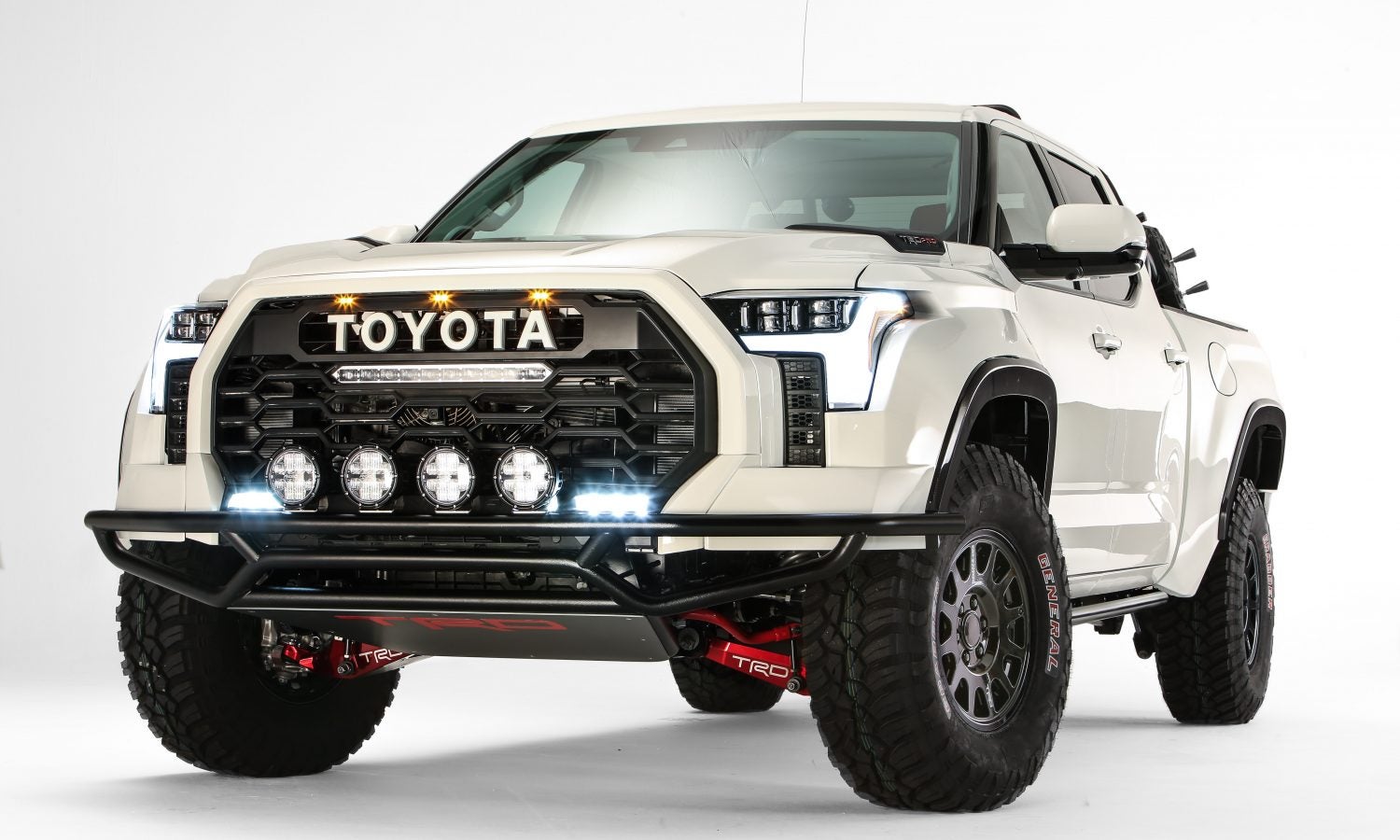
For those plugged into the world of motorsports, Toyota has long been an exhilarating manufacturer to watch both on the track and in off-road races. But the average car consumer likely isn't aware of Toyota's long history of racing and performance development. This history is hidden behind familiar brands, such as Toyota Racing Development (TRD) and the more recently introduced Gazoo Racing (GR). That's why we've decided to use this post to uncover the history of Toyota motorsports through the TRD and GR brands while also explaining their contemporary distinctions and Toyota's plans for both companies. History of Toyota Racing Development The origins of Toyota Racing Development reach back to the mid-twentieth century when Toyota was the first Japanese company to enter the racing world through its motorsports division, Toyota Sports Corner (TOSCO). It took a while for Toyota to capture the world's attention as a high-performance sports car manufacturer with racing chops, but when they teamed up with Yamaha in the mid-1960s to debut the 2000GT, the world's collective jaw dropped. In 1966, the 2000GT set no less than thirteen International Automobile Federation records for speed and endurance. Toyota had earned their racing stripes. After another decade of racing triumphs, in 1976 TOSCO rebranded itself, becoming Toyota Racing Development (TRD). Beginning as a parts importer in the U.S., TRD quickly shifted its role toward performance tuning for on-track and street-legal Toyota cars. In the 1980s and 1990s, TRD helped Toyota develop beloved speedsters, such as the 1994 TRD3000GT (a modded version of the BLITZ Racing Team's 1994 Supra GT500) and the preeminent King of Drift, the AE86. Across the globe, TRD continued to assist Toyota in developing racing cars throughout the 1990s and early 2000s, and in North America specifically, TRD helped Toyota break into the world of off-road truck racing. Driven by the legendary Ivan “Ironman” Stewart, Toyota's T100 truck took home multiple Baja 1000 racing titles in the 1990s, helping to establish Toyota's long-standing reputation for designing superior off-road pickups. Nowadays, consumers in the North American market will most likely recognize the TRD brand through its badging on Toyota's off-road favorites, such as the Tacoma and the 4Runner. History of Gazoo Racing While TRD was born out of a rebranding effort, Toyota's Gazoo Racing developed out of a bond between Toyota's esteemed master driver, Hiromu Naruse, and his apprentice, Akio Toyoda. (No, the name isn't a coincidence; Toyoda is the grandson of Toyota Motors founder, Kiichiro Toyoda, and is the company's current CEO). In 2001, shortly after joining Toyota's board of directors, Toyoda met Naruse, who offered to teach Toyoda how to drive on one of the most dangerous tracks in the world, the Nürburgring in Germany. Toyoda agreed, and a consequential friendship, bonded by endurance racing, developed. Over several years, Naruse taught Toyoda how to master the punishing corners and terrifying jumps of the Nürburgring in used Supras (the company had discontinued the beloved model in 2002). And in 2007, Naruse and Toyoda formed a racing team of Toyota employees. Their goal wasn't necessarily to win races but rather to learn from their racing experience how they could make better cars. This goal inspired them to compete in the Nürburgring's 24-hour endurance race. But because the team wasn't officially backed by Toyota Motors, they opted to race under Toyota's marketing and internet brand, Gazoo.com. Thus, Gazoo Racing (GR) was introduced to the world. Though they didn't come anywhere near winning their first 24-hour endurance race, GR dedicated themselves to learning from these high-performance, arduous races to improve their vehicles. And shortly after debuting at Nürburgring, they caught the attention of engineers at Lexus, who loaned the team prototypes of the LFA to race. In 2010, GR won the 24-hour endurance race, coming in ahead of BMWs, Porsches, and Aston Martins. It didn't take long for GR's success to be noticed by Toyota executives. And after Toyoda himself became president of the company in 2009, he urged the company to make more exciting cars and established sports conversion brands GRMN (Gazoo Racing, tuned by the Meister of the Nürburgring) and G Sports. In 2019, Toyota began producing GR brand-exclusive vehicles with the GR Supra and over the years has added the GR Yaris, GR 86, and GR Corolla to their lineup. Differences Between TRD and GR Both TRD and GR have earned their respective sports car racing chops. Racing teams backed by both performance brands have won numerous championships, including the World Rally Championship, NASCAR, Le Mans, and the World Endurance Championship. In terms of vehicle production, most U.S. consumers are familiar with TRD trims on Toyota's off-road capable vehicles. GR, however, is likely a less familiar brand to North American car buyers. While Toyota has been releasing GR versions of their vehicles in Japan for several years, including the Mark X GRMN and the GR Yaris, these models haven't yet made it to the U.S. However, in 2020, Toyota introduced the GR Supra to the North American market to widespread acclaim. Today, U.S. car buyers can hit the road in a GR Supra, GR 86, or GR Corolla. So, if TRD and GR are both Toyota performance brands with a history of racing championships, then what's the difference between them? Toyota has acknowledged the potential for overlap in their two performance brands but has also expressed an interest in making room for both. As it stands now, Toyota envisions GR as their global performance brand, focusing on producing track-trained, fun-to-drive versions of Toyota cars. TRD, on the other hand, will continue to be a mainstay of Toyota's off-road pickup and SUV production. This distinction makes sense, considering the fairly unique popularity of pickup trucks in the U.S. as opposed to the global automotive market, as well as the long-standing reputation of TRD on popular models, such as the Tacoma and the 4Runner. Now that you know the differences between TRD and GR, you might be curious to check out some of these vehicles and see the differences for yourself. At Longo Toyota in El Monte, California, we've got hundreds of new and used Toyotas in stock, including GR and TRD models. When you're ready to explore the performance perks of these brands, stop by our dealership, conveniently located off the 10 freeway, or check out our online inventory today.

Contact Us

Fill out this form below and we'll contact you shortly
*Required Fields