

Longo Toyota

#1 in the World since 1967*

Based on Toyota Motor Sales, USA 2025 Sales Report*
Based on Toyota Motor Sales, USA 2023 Sales Report*

Blog

All New Inventory Local Comparison Electric Vehicle Vehicle Tips Hybrid Review Service Toyota News Locaal
Toyota RAV4 parked on a quiet residential street lined with trees
in Service

Why Does My Toyota Tire Pressure Light Come On When It Gets Cold?

Colder temperatures reduce the air pressure in your tires, and that can trip your Toyota's TPMS (Tire Pressure Monitoring System). It's the most common reason the light appears on a chilly morning. Our service team hears about it every time the weather turns, and the cause is usually simple. If you’d like a hand, our Toyota service team is ready to help. Questions about the Toyota tire pressure light in cold weather come up even here in El Monte and across Southern California. A sudden cold snap or a drive up toward the San Gabriel Mountains can be enough to turn it on, mild climate or not. Why Your Toyota Tire Pressure Light Comes On in Cold Weather Toyota's TPMS shows a low-pressure icon and a Multi-Information Display message when it detects seriously low pressure. A cold-triggered alert isn't necessarily a false alarm. The system may be correctly detecting low pressure, even if the tire looks normal. How Cold Air Lowers Tire Pressure Cold temperatures make the air inside your tires contract, so pressure falls even when no air has escaped. As a rule of thumb, tire pressure drops about 1 PSI for every 10°F drop in temperature. A tire set to 35 PSI on a 75°F afternoon could read around 30 PSI on a 25°F morning in the mountains, and if a tire was already near the warning threshold, that overnight drop can be enough to trigger the light. That's why tire pressure sensors and cold weather often get blamed together. The sensor is usually doing its job, and the pressure really did drop. One useful clue: if several tires dropped together after colder weather, temperature is the likely cause. If one tire keeps losing more than the others, look closer for a leak. Why the Light May Turn Off After You Drive Driving warms your tires and the air inside them, which raises pressure. The light may come on after an overnight dip, then go out as the tires warm or temperatures rise. Don't take that as good news. Warming can hide a low starting pressure, so the light going out doesn't replace a pressure check. If it returns on the next cold morning, your pressure is probably borderline. How to Check Tire Pressure Correctly in Cold Weather TPMS alerts only when pressure is critically low, so use a gauge rather than relying on the monitor alone. A tire can be well underinflated without looking flat. Check when tires are cold, meaning before driving or after the vehicle has been parked for 3 hours. Do it at least monthly, and again before long trips or heavy loads and whenever the seasons change. Don't forget the spare. Use the Door-Jamb Placard for the Correct Pressure Your correct pressure is on the driver's door-jamb placard and in your owner's manual. Front and rear recommendations can differ, and they vary across Toyota models. The number molded into the sidewall is the tire's maximum, and it doesn't reflect your Toyota's recommended pressure. Think of the weight limit posted in an elevator. It tells you the most the elevator can handle, and nobody treats it as the number of people who should ride. Never use the sidewall number as a target. Step-by-Step: Checking and Inflating Cold Tires Grab an accurate gauge and follow these steps: Remove the valve cap. Press the gauge onto the stem and note the reading once the hissing stops. Repeat on the other tires and the spare. Compare each reading with the placard. Add air if low, either at a dealership or with a portable inflator. Gas stations work too. Follow the pump's instructions, as some stop automatically at the target. If a tire is overinflated, release air through the valve stem and recheck. If a tire was already driven on and seems low, fill it to the recommended cold pressure and recheck when cold. A warm tire may read slightly above the cold target after driving, so adjust once it cools. Replace the valve caps when you finish. Solid vs. Flashing Toyota TPMS Light: What Each Means How the light behaves tells you where to start. Falling temperatures don't normally cause a flashing light. Confirm the exact pattern for your model year in your owner's manual. Light behavior What it means Likely cause What to do Urgency Solid light At least one tire is significantly underinflated. A cold temperature drop, or a tire that keeps losing air. Check all tires with a gauge and refill, repair, or replace any tire below proper pressure. Act promptly Flashing about 60 to 90 seconds, then solid System malfunction on vehicles from model year 2008 onward. The pattern repeats at each start until corrected. A TPMS system or sensor problem. Have it inspected at a Toyota dealership. Schedule an inspection Light goes off after driving Pressure dipped below the warning threshold overnight, then tires warmed or temperatures rose. Overnight cold, followed by warming. Still check pressure, because the light going out does not replace a check. Check soon A malfunctioning system doesn't confirm your pressures are fine. Check them manually while you arrange diagnosis. When a Persistent Warning Light Needs Inspection Sometimes the cause isn't the weather. If the light keeps returning, stays on after you add air, or flashes, have a professional take a look. Our Toyota tire services cover tire inspection, rotation, and TPMS sensor diagnosis. When you're ready, schedule tire service with our team. Signs of a Slow Leak, Nail, or Valve Stem Problem A slow leak can come from a small puncture made by a nail or screw, or from a damaged valve stem core or cap. Some leaks are too small to find by eye. Watch for the same tire needing air again and again. Keep a short record of cold readings and outdoor temperatures, since comparing similar conditions helps separate a real leak from normal temperature swings. Recurring pressure loss is a good reason to have the tire inspected. Visible damage or a tire that won't hold pressure also warrants a professional inspection, as do noise or vibration. Light Stays On After Inflating: Sensor or Tire Issues If the light stays on, check all tires and refill, repair, or replace any tire below proper pressure. Then look at what changed recently. A tire rotation, a pressure change, or a different tire size can set it off. Replacement wheels or sensors must be registered by a Toyota dealership. Make sure pressures are correct before any reset, because a reset should never cover up low pressure. Afterward, the system needs several minutes with the engine running to record each tire's pressure. Reset steps vary by vehicle and grade, so follow your owner's manual. How to Prevent the Tire Pressure Light in Winter A simple routine does most of the work. Check cold pressures at least monthly and after big temperature swings. Adjust to the placard figure as seasons change rather than relying on a fill from warmer weather. Underinflation matters beyond the light. It can reduce stability and braking, and it raises fuel use and tread wear while making a blowout more likely. TPMS is a backup for your own checks, so don't lean on it alone. Quick cold-weather checklist Check monthly. Check after temperature swings. Check the spare. Keep a gauge in the glove box. Toyota Cold Weather TPMS FAQs Is It Safe to Drive With the Light On in the Cold? Don't decide from the light or the outside temperature alone. Check your tires and pressure promptly, in a safe spot, and correct low pressure before continuing when you can. Safety note: a visibly flat tire or rapidly dropping pressure means stopping safely and getting help. Don't drive far on a flat tire. A flashing light calls for an inspection. Should I Inflate Above the Recommended PSI for Winter? No. The placard figure is the correct one, and you adjust to it as seasons change. The sidewall maximum isn't a target. Pressure more than 10% above the manufacturer's recommendation is generally overinflated and can reduce grip and lengthen braking distances. Schedule Tire Service at Longo Toyota If your Toyota’s tire pressure light keeps coming back when the weather cools, our service team will find the cause, whether it’s a slow leak, a damaged valve stem or a TPMS sensor that needs attention. At Longo Toyota, you can count on: A complimentary tire inspection with every service visit. Expert tire service, with replacement tires mounted, balanced and inflated to your Toyota’s exact specifications. Toyota-trained technicians who know your TPMS inside and out, including sensor diagnosis and registration. Schedule your tire service online or call 626-539-2126. When you book, let us know your model year, how the light is behaving and any recent pressure readings. We’re at 3534 North Peck Road in El Monte, open Monday through Friday from 7 a.m. to 7 p.m. and Saturday from 7 a.m. to 5:30 p.m. If you have a flat or a tire that’s losing air quickly, stop safely and call for roadside help first.

Read More
Red 2027 Toyota Crown driving across a city bridge at dusk

2027 Toyota Crown MPG and Performance: Hybrid vs. Hybrid MAX Explained

The 2027 Toyota Crown MPG story comes down to two hybrid powertrains. The upgraded fifth-generation Hybrid makes 236 hp and earns an EPA-estimated 40 mpg combined, while the Platinum’s Hybrid MAX delivers 340 hp, 400 lb-ft of torque and 30 mpg combined. Which one fits depends on how you drive around El Monte and beyond. We’re happy to help you sort it out. Browse our new vehicles as you read, or explore the full 2027 Toyota Crown lineup to see how the trims stack up. 2027 Toyota Crown MPG at a Glance All four 2027 Toyota Crown sedan grades have standard AWD, and the four trims carried over from 2026. The 40 mpg combined Hybrid rating comes without plugging in. Here is how the two powertrains compare on the specs that matter most. Hybrid vs. Hybrid MAX Fuel Economy Side by Side The table below shows the engine, drivetrain, and EPA-estimated fuel economy for each option. Powertrain Horsepower 0–60 mph Transmission Drivetrain MPG (city/hwy/combined) Trims and starting price 2.5L Hybrid (THS 5) 236 hp 7.6 sec ECVT Electronic On-Demand AWD 42/38/40 XLE (from $41,640), Limited, Nightshade 2.4L turbo Hybrid MAX 340 hp, 400 lb-ft 5.7 sec Direct-shift six-speed automatic Full-Time Electronic AWD 29/32/30 Platinum (from $55,190) Both powertrains run on regular 87-octane fuel and use a 14.5-gallon tank. Prices exclude the $1,295 destination charge. Which Trims Come With Each Powertrain The XLE and Limited use THS 5, Toyota's fifth-generation hybrid system, and so does the Nightshade. Only the Platinum gets the Hybrid MAX, so if you want that powertrain, the Platinum is your trim. For 2026, the XLE, Limited and Nightshade were rated 41 mpg combined, so the 2027 THS 5 models’ EPA-estimated 42/38/40 mpg is just slightly lower overall, in exchange for a more spirited, responsive drive. 2027 Toyota Crown Hybrid: 236 HP and 40 MPG Combined The standard Hybrid is built for efficiency. It pairs 236 hp with a 40 mpg combined rating, and its 42 mpg city number (XLE and Limited) suits the slow crawl of freeway traffic. 2.5L Hybrid Specs and Electronic On-Demand AWD THS 5 combines a 2.5L gas engine with two motor-generators through a CVT. An electronically controlled brake system coordinates regenerative and hydraulic braking, which recovers electrical energy. That, along with electric assist at low speeds, is why hybrids shine in stop-and-go driving. Every stop sends energy back to the system, while the motors take care of gentle starts. Electronic On-Demand AWD uses a separate rear-mounted electric motor, making 89 lb-ft of torque, to power the rear wheels when needed, improving traction and cornering agility, and it can send up to 80% of power to the rear wheels. New for 2027, paddle shifters join the XLE, Limited and Nightshade (they’re now standard on every Crown), and THS 5 is tuned for a more spirited, responsive feel. The XLE has a 14.5-gallon fuel tank and uses regular fuel. Real-World Efficiency and Driving Range Estimated range was 594 miles for the 2026 XLE, Limited, and Nightshade. Treat that as a 2026 benchmark only, since a 2027 figure isn't available. A U.S. News reviewer's one-week mixed drive returned 36.1 mpg in the base hybrid. Real-world results vary with driving habits, conditions, and maintenance. 2027 Toyota Crown Hybrid MAX: 340 HP and 400 lb-ft of Torque The Hybrid MAX adds a turbocharged engine working with electric motors. The result is 340 net combined hp and 400 lb-ft of torque, which sets the Platinum apart from the standard Hybrid. Shoppers searching for a Crown Signia Hybrid MAX should note that this powertrain belongs to the Toyota Crown sedan Platinum. The Crown Signia doesn't have it. Turbo Hybrid Power and Platinum Exclusivity The Hybrid MAX pairs a 2.4L turbocharged engine (264 hp and 332 lb-ft on its own) with front and rear electric motors, and it’s exclusive to the Platinum, starting at $55,190. New for 2027, the Platinum adds red brake calipers and a black belt window surround to its 21-inch machined-finish alloy wheels with black accents, and a 10-inch Head-Up Display and a hands-free power trunk round out the package. Six-Speed Hybrid Transmission, AWD and Handling Hardware A direct-shift six-speed automatic delivers strong low-rpm torque and lively response. The drivetrain here is Full-Time Electronic AWD paired with an eAxle. Standard Adaptive Variable Suspension (AVS) is tuned for this powertrain. It balances steering response and stability with a comfortable ride across drive modes. Electronically controlled braking with Active Cornering Assist helps reduce understeer in certain cornering situations. Acceleration and Driving Feel: Hybrid vs. Hybrid MAX Toyota rates the Hybrid MAX at 0–60 mph in just 5.7 seconds, nearly two seconds quicker than the standard Hybrid’s 7.6 seconds, a difference you’ll feel every time you merge onto the 10 or pass on the 605, as the turbo engine’s 332 lb-ft arrives low in the rev range. MotorTrend’s testers matched that 5.7-second time and called the Hybrid MAX “genuinely quick.” The standard Hybrid is the more sensible everyday choice, with strong fuel economy and smooth, adequate acceleration, and in daily driving you’ll notice quiet low-speed operation as the electric motors help get you off the line. MPG Trade-Off: How Much Efficiency Do You Give Up for Power? Moving from the Hybrid to the Hybrid MAX takes combined fuel economy from 40 mpg down to 30 mpg. In U.S. News testing, a reviewer's mixed drive returned 36.1 mpg in the base hybrid, while a real-world drive returned 26.8 mpg in the Hybrid MAX. MotorTrend noted that efficiency drops considerably in the Platinum. In exchange, you gain 104 more horsepower, 400 lb-ft of torque and a 0–60 time nearly two seconds quicker. The best way to feel that difference is to schedule a back-to-back test drive of both powertrains, and on the drive, pay attention to throttle response when merging and listen for cabin noise. Which Crown Powertrain Is Right for You? Think about your weekly miles first, then how much power you want on the on-ramp. Southern California commutes reward efficiency, but some drivers value passing power more. Best for Commuters and Fuel Savers Choose the Hybrid if your days involve long freeway stretches and heavy traffic on the 10 or the 60. Its 40-mpg combined rating, and an even better 42 mpg in the city, suit that routine, and the XLE starts at just $41,640. Step up to the Limited for a standard Panoramic View Monitor, Traffic Jam Assist, Front Cross-Traffic Alert, Digital Key capability and a panoramic fixed-glass roof with power sunshade, plus an 11-speaker JBL Premium Audio system and, new for 2027, standard Saddle Tan seating. Best for Drivers Who Want Performance and Premium Features Choose the Hybrid MAX if strong acceleration matters more than the mpg gap. You get the 340 hp output, AVS, and Active Cornering Assist, along with the Platinum's distinctive styling and equipment. 2027 Toyota Crown MPG FAQ Which Crown gets better MPG? The Hybrid, at 40 mpg combined versus 30 mpg for the Hybrid MAX. Does every Crown have AWD? Yes. All four 2027 grades have standard AWD. Did MPG go up or down from 2026? Slightly down. The 2026 XLE, Limited, and Nightshade were rated 41 combined, and the 2027 projection is 40. Which trim has the Hybrid MAX? Only the Platinum. What is different about the Hybrid MAX transmission? It uses a direct-shift six-speed automatic instead of the CVT. Does the Crown need plugging in? No. The 40 mpg combined rating comes without plugging in. Shop New Toyota Crown Inventory at Longo Toyota Whether you want the efficiency of the 40-mpg Hybrid or the 5.7-second thrill of the Hybrid MAX, the best way to decide is to drive both. Shop new Toyota Crown inventory at Longo Toyota, compare grades on our 2027 Toyota Crown page and schedule a test drive to feel the difference on the road. Visit us at 3534 North Peck Road in El Monte, home of the world’s largest Toyota dealership, or call sales at 626-539-2113. We’re open seven days a week from 9 a.m. to 8 p.m., and our team can also walk you through financing options.

Silver 2027 Toyota Prius driving through a curved city tunnel

2027 Toyota Prius MPG: Which Trim Gets the Best Gas Mileage?

The 2027 Prius LE with front-wheel drive is the fuel-economy leader of the lineup, with EPA estimates of 59 city, 50 highway and 55 combined mpg. If fuel economy is your top priority, that’s where to start, and you can browse our Prius inventory as you read. The 2027 Toyota Prius MPG picture gets more interesting once you look at wheels, equipment, and all-wheel drive. Each trim and drivetrain is covered below, so you can match one to your commute. 2027 Toyota Prius MPG at a Glance The 2027 Toyota Prius uses Toyota’s fifth-generation Hybrid System, pairing a 2.0-liter four-cylinder engine with electric motors for 194 net combined horsepower and 0–60 mph in 7.2 seconds (196 hp and 7.0 seconds with AWD). It runs on regular gasoline and never needs to be plugged in. The 2027 Prius comes in four grades (LE, XLE, Nightshade and Limited), starting at $30,050, and every grade now includes dual-zone climate control. The Short Answer: LE FWD Leads at 55 MPG Combined At 55 combined mpg, the LE FWD has the highest rating in the 2027 Prius lineup. If you’ve seen higher figures online, those are likely 2026 ratings (57 combined for the 2026 LE FWD). For 2027, city mpg rose to 59, but highway mpg dropped from 56 to 50, bringing the combined figure down. All figures here are EPA estimates for model year 2027, and your mileage will vary. Combined MPG is a standardized blend of city and highway driving, weighted rather than averaged evenly. EPA Ratings by Trim and Drivetrain (City, Highway, Combined) The table lists each 2027 Prius trim and drivetrain with its EPA-estimated MPG and notable equipment. Trim FWD MPG (city/hwy/combined) AWD MPG (city/hwy/combined) Notable equipment LE 59/50/55 56/49/53 17-inch alloy wheels with wheel covers XLE 54/46/51 51/45/48 19-inch alloy wheels Nightshade 54/46/51 51/45/48 19-inch black-finish alloy wheels, black exterior trim, blackout badging Limited 54/46/51 51/45/48 XLE features plus a standard 12.3-inch Toyota Audio Multimedia screen All AWD models use Electronic On-Demand AWD. Figures are EPA estimates for model year 2027. MPG by Trim: LE, XLE, Nightshade, and Limited All four grades share the same core hybrid powertrain. Moving up a trim mainly changes wheels and equipment. To judge a trim fairly, compare it with another trim that has the same drivetrain. Prius LE: The Fuel Economy Leader The LE rides on 17-inch alloy wheels with wheel covers and carries a lighter equipment load. That helps explain its 59 city, 50 highway, and 55 combined MPG rating in FWD form (EPA estimates, model year 2027). It's the natural pick if mileage is your first filter. Prius XLE and Nightshade: How Wheels and Equipment Affect MPG The XLE steps up to 19-inch alloy wheels and adds equipment you may use daily. Its FWD rating is 54 city, 46 highway, and 51 combined MPG (EPA estimates, model year 2027). The larger wheels and added equipment account for the gap with the LE, though wheel size is only part of it. The Nightshade is based on the XLE and comes in FWD and AWD. It adds 19-inch black-finish alloy wheels, black exterior trim, and blackout badging. Its ratings match the XLE, so the darker look is purely styling and has no effect on efficiency. Prius Limited: MPG Trade-Offs for Top-Tier Features The Limited includes the XLE features plus a 12.3-inch Toyota Audio Multimedia screen as standard. Its EPA estimates match the XLE and Nightshade in both drivetrains for model year 2027. Moving up a trim can leave the rating exactly where it was. If you'll use the extra technology every day, the Limited asks for no further MPG trade-off compared with the XLE. FWD vs. AWD: What Does All-Wheel Drive Cost You in MPG? Every trim is offered in both FWD and AWD, and the AWD versions give up 2 to 3 combined mpg. In return, Electronic On-Demand AWD adds a rear-mounted electric motor that sends power to the rear wheels when needed, improving traction on slippery surfaces and even trimming the 0–60 time to 7.0 seconds, thanks to its 196 combined horsepower. Good tires and careful driving still matter with AWD. Is the AWD Efficiency Trade-Off Worth It? It depends on where you drive. If your commute is mostly paved roads in mild conditions, FWD keeps the focus on mileage. If you regularly deal with rain-slick hills or mountain trips, the added traction may matter more to you than the lower ratings. Compare AWD and FWD within the same trim so the drivetrain is the only variable. Then think honestly about your weather and terrain. Real-World MPG: What Affects Your Fuel Economy EPA ratings are a standardized yardstick. Actual economy varies with factors you control and factors you don't. Aggressive driving can matter more than small items such as playing the radio. Driving Habits, Weather, and Terrain Several things can pull your MPG down: Speeding, rapid acceleration, and hard braking. Idling. Extra weight and roof racks. Heavy A/C use. Poor maintenance. Hilly terrain. Hot or cold temperatures. Bumpy roads. Stop-and-go congestion generally lowers MPG, but hybrids are an exception. A Toyota Prius hybrid may do better in town than on the highway because it recaptures braking energy and reduces idling. That's why the city ratings in the table are higher than the highway ratings. Tips to Get Closer to EPA Ratings Most of these habits cost nothing. Slow down, ease into acceleration and braking, and avoid idling. Remove unnecessary cargo, limit A/C and accessory use, and combine short trips into one outing. Use cruise control and an eco driving mode where available. Keep tires properly inflated and stay on top of maintenance. Our service department can help with both. Track your mileage over several trips instead of trusting one short drive. Why the Prius Still Makes Sense for Southern California Commuters The Prius is built for the way Southern California drives. Rush hour on the 10 or the 60 means plenty of stop-and-go stretches, and that’s exactly where the Prius shines: it recaptures energy every time you slow down and shuts off the engine instead of idling, which is why its 59-mpg city rating outpaces its 50-mpg highway rating. Even on open-freeway runs, 50 mpg keeps your fuel stops few and far between. The standard Prius never needs to be plugged in, so there’s no home charger to install and your refueling routine stays the same. For drivers who want extended all-electric driving, the Prius Plug-in Hybrid is a separate model with its own ratings, offered in SE, XSE, Nightshade and XSE Premium grades with a 13.6-kWh lithium-ion battery. Which Prius Trim Should You Choose? Start with your main priority. If lowest fuel use matters most, the LE FWD is the one. Drivers who want the entry trim with added rear-wheel traction should look at the LE AWD. The XLE suits drivers who want the larger wheels and added equipment. The Nightshade is a styling decision. The Limited makes sense if you'll use its premium features regularly. MPG isn't the only measure of value. Tires and maintenance count too, and so does insurance. We can talk through the options when you visit. A quick scan of the options: Highway commuters and top MPG: LE FWD. Wet and hilly conditions with the entry trim: LE AWD. Daily comfort and convenience: XLE. Distinctive black styling: Nightshade. Premium technology: Limited. Added traction on any trim: choose the AWD version. Explore Prius Inventory at Longo Toyota As the world’s largest Toyota dealership, with a campus spanning more than 50 acres in El Monte, Longo Toyota has one of the biggest Prius selections in Southern California. When you’re ready to find yours: Browse our Prius inventory and filter by trim and drivetrain to find the LE, XLE, Nightshade or Limited that fits your commute. Check each window sticker for that vehicle’s EPA estimates and installed equipment. Explore financing options or contact our team to compare trims side by side in person. Stop by and take a Prius for a spin on the 10, and see how much farther your daily drive can go. 2027 Toyota Prius MPG FAQs Which 2027 Prius trim gets the best MPG? The LE FWD, at 59 city, 50 highway, and 55 combined MPG. These are EPA estimates for model year 2027. How does AWD affect MPG? Each AWD trim has its own EPA estimate, listed in the table above. In return, Electronic On-Demand AWD can add traction on slippery surfaces. Will my real-world MPG match the EPA ratings? Not exactly. Your mileage will vary with driving style, speed, climate, terrain, load, and maintenance. How can I improve my MPG? Drive smoothly and avoid idling. Take out extra weight, keep the tires inflated, and stay current on maintenance. Is the Prius better for city or highway driving? Hybrids may do better in town than on the highway because they recapture braking energy and reduce idling. The Prius city ratings are higher than its highway ratings. Is the Prius Plug-in Hybrid the same as the Prius? No. It is a separate model with its own grades and EPA-estimated all-electric range of up to 44 miles for the SE and up to 39 miles for the XSE, Nightshade, and XSE Premium. Those figures do not apply to the standard Prius.

Orange 2027 Toyota Tundra TRD Pro driving across a desert off-road trail

2027 Toyota Tundra Trailhunter vs. TRD Pro: What's the Difference?

The short answer: the Trailhunter is an overlanding package based on the SR5, built to give you trail capability straight from the factory. The TRD Pro is a separate grade and the most off-road-focused version of the Tundra, with race-inspired hardware and a performance orientation. If you want to see what Toyota has in the showroom while you read, you can browse new Toyota inventory anytime. At Longo Toyota, we hear from plenty of El Monte and Southern California shoppers who want to understand the 2027 Toyota Tundra Trailhunter vs TRD Pro before they commit. Full 2027 specifications haven't been released yet, so this guide keeps the comparison high-level. Two Off-Road Tundras, Two Different Missions Both are built for rough ground, but they put the emphasis in different places. What they can do overlaps a lot. An overlanding-minded truck can run recreational trails, and a performance-minded truck can still carry you to a campsite. Trailhunter: Built for Overlanding The Trailhunter is a rugged overlanding package based on the SR5. Toyota aims it at customers who want strong trail performance from the factory, with genuine overlanding character. The idea is simple: the traction and suspension hardware you need for remote travel comes installed, along with underbody protection, so you start with a capable foundation. Even so, the badge doesn't guarantee every accessory an extended trip might call for. Plan your gear separately. TRD Pro: Built for Performance The TRD Pro is the most off-road-focused version of the Tundra. Toyota gives it race-inspired hardware and a distinctive visual identity, with a focus on how the truck handles rough terrain, mainly damping and stability. For 2027, that starts with newly designed, Tundra-tuned FOX enhanced shocks that are adjustable. An available TRD Performance package adds hardware and tuning for drivers who want more dynamic performance. Suspension Comparison This is where the two split most clearly. The Trailhunter rides on an Old Man Emu upgraded suspension. Over on the TRD Pro you’ll find newly designed, Tundra-tuned, adjustable FOX enhanced QS3 shocks, engineered for feel, stability and adjustability over rough terrain. Shocks control how the suspension moves after an impact and how it handles repeated bumps. The Trailhunter's setup supports its role as a trail-ready starting point. The TRD Pro's adjustable shocks put the emphasis on feel and control over broken surfaces. Springs, tires, and vehicle weight also shape ride quality, so a shock brand alone won't make one truck more capable. Toyota hasn't released 2027 suspension specifics yet, and we won't guess at measurements. Off-Road Equipment and Capability Equipment is where the Trailhunter's overlanding purpose shows up in hardware. The TRD Pro's list, so far, leans on its shocks, tow hooks, and available seating and performance options. Trailhunter Equipment for Remote Travel Toyota has outfitted the Trailhunter with several pieces of hardware that matter when you're far from pavement: Front recovery hooks give you a point to attach recovery gear. Additional underbody protection shields components from rocks and debris. Multi-Terrain Select adjusts the truck's response to different surfaces. Crawl Control helps manage low-speed progress over difficult ground. A locking rear differential helps when the rear wheels have uneven traction. Follow the manufacturer's instructions and ratings for any recovery work. A hook being there doesn't make it suitable for every technique. TRD Pro Equipment for Rugged Terrain The TRD Pro comes with standard red tow hooks, plus available ISO-dynamic seats designed to help support comfort and stability over rough terrain. The available TRD Performance package adds more hardware and tuning. Toyota hasn’t announced the rest of the 2027 TRD Pro equipment list or the package contents, so we aren’t making item-by-item comparisons yet. Wheels and Tires The Trailhunter rides on Michelin LTX Trail 265/70R18 tires and unique bronze-colored wheels. The tires are part of what makes the truck trail-ready, and the bronze finish gives it a distinct look. Toyota hasn't announced TRD Pro tire and wheel details for 2027. Tires affect loose-surface traction and ride comfort, and they change road noise and how a truck behaves in the wet. A more aggressive look won't necessarily mean better results in every condition. For loaded travel, check tire load ratings and recommended inflation pressures too. Exterior Styling and Design The 2027 Tundra's new design starts with the front end. Toyota describes crisp, square geometry, a wide stance, and a center lower-bumper treatment, with rectangular fog lights integrated into the bumper. A rugged hexagonal grille theme adapts to different trims, so the Trailhunter and TRD Pro each wear it their own way. On the TRD Pro, the distinctive visual identity now includes the new Honeycomb exterior color. On the Trailhunter, the bronze-colored wheels stand out. Keep in mind that styling and function are different things. Protection hardware and suspension add capability; a grille or paint color adds none. Which Adventures Suit Each Tundra? Both options can take you off pavement. The better fit depends on what you want the hardware to do. Whichever you lean toward, our virtual test drives are a handy way to start getting a feel for the Tundra lineup. Best for Overlanding and Extended Trips The Trailhunter fits destination-focused travel and camping access, and it suits long stretches on unpaved routes. Extended trips also depend on loaded weight and cargo organization, plus passenger comfort, so check trim-specific ratings before you pack. Choose the Trailhunter if: You want overlanding character and factory trail capability in one package. You value built-in recovery hooks and additional underbody protection. You want a locking rear differential, Multi-Terrain Select, and Crawl Control ready from day one. Best for Rough-Terrain Performance On rough terrain, the TRD Pro's appeal is how its hardware behaves. The adjustable FOX QS3 shocks are engineered for feel and stability over rough terrain. Performance branding is not a license for unsafe speed, so always match your pace to visibility and surface conditions, and follow access rules. Choose the TRD Pro if: You want race-inspired off-road hardware. You like the idea of adjustable shocks tuned for stability over rough terrain. You are interested in the available TRD Performance package and available ISO-dynamic seats. What Is Confirmed for 2027 and What Is an Expected Carryover? For the Trailhunter, Toyota has confirmed the Old Man Emu suspension, Michelin LTX Trail 265/70R18 tires, bronze-colored wheels, front recovery hooks, additional underbody protection, Multi-Terrain Select, Crawl Control, a locking rear differential and its SR5 foundation. On the TRD Pro side, confirmed items include the newly designed FOX enhanced shocks, standard red tow hooks, available ISO-dynamic seats, the available TRD Performance package and the new Honeycomb color. For reference, the 2026 TRD Pro has Multi-Terrain Select as standard. An electronically locking rear differential and Multi-Terrain Monitor are also standard. That is 2026 equipment. Toyota hasn't confirmed 2027 details for the TRD Pro in these areas, and we won't assume them. Toyota has said additional 2027 Tundra details and specifications are scheduled to be announced in fall 2026. The lineup continues with a twin-turbo V6 and an available i-FORCE MAX hybrid, but Toyota hasn’t yet said which powertrains pair with the Trailhunter package or the TRD Pro, or published 2027 horsepower and torque figures. Until then, treat anything beyond the list above as unconfirmed. Which 2027 Tundra Is the Better Choice for Most Buyers? Neither option wins for everyone. The right choice depends on how you use your truck, your budget, your comfort expectations, and your cargo needs. If you want an integrated foundation for destination-oriented travel, and the confirmed equipment matches your plans, the Trailhunter may suit you. Drivers drawn to race-inspired hardware, adjustable shocks, and available performance equipment, and who want that feel on rough terrain, should look at the TRD Pro. If most of your miles are on pavement around El Monte and greater Southern California, weigh daily ride quality, cabin usability, and parking against specialized off-road gear. A standard Tundra with the right options may serve you just as well. Compare equivalent configurations and verify equipment and final details before deciding. Shop New Tundra Inventory at Longo Toyota Longo Toyota sits on a 50-acre campus in El Monte, and we’re a full-service new and used Toyota dealership offering sales, leasing, financing, service, parts and collision repair. When you're ready to compare Tundra trims, browse new Toyota inventory to see what is available now. Specs and packages can change, so please confirm final details with us before buying, and review each truck's window sticker. Questions about the 2027 Toyota Tundra Trailhunter vs TRD Pro? Contact our team. If you're planning your purchase, you can also get pre-qualified for financing.

The sun is setting over the foggy mountains

Can't-Miss Hiking Trails near El Monte, CA: A Local Guide for Every Adventure Level

Ask any longtime resident what there is to do around here and hiking comes up fast. El Monte sits right up against the foothills of the San Gabriel Mountains, so trails that could headline a vacation brochure are just minutes from downtown. Whether you're chasing a waterfall or pushing a stroller along a paved path, this guide breaks down our favorite routes by skill level. Thinking about upgrading your ride before your next outing? Browse our current inventory of new Lexus SUVs built for exactly this kind of adventure. Why El Monte Is a Local Gateway to Southern California Hiking El Monte sits about 12 miles east of Downtown LA, close enough for a quick commute but far enough to feel like you've actually left the city behind. That location puts us at the doorstep of the San Gabriel Valley and Angeles National Forest, so hikers here can pick anything from a flat riverside stroll to one of the toughest climbs in the state. Our stretch of the San Gabriel River and its connected parks gets called the Emerald Necklace locally, a chain of green spaces and waterways linking El Monte to neighboring communities. Good hiking trails running right alongside dense suburban neighborhoods is rare, and it's part of what makes this corner of California such a rewarding place to live. Easy Trails for Beginners and Families If you're easing into hiking or bringing young kids along, El Monte and its surrounding parks have plenty of gentle options. These trails favor flat terrain, shade, and amenities like restrooms and play areas, so nobody's stuck cutting a hike short. El Monte Park Trail Our local city parks, including one 4.3-acre space with a walking path, play structures, and a splash pad, offer an easy entry point into outdoor time. Fletcher Park adds a basketball court, playground, and the Fletcher "Fetch" Dog Park, with a section of the Rio Hondo bike path running right alongside it. It's the kind of neighborhood trail you can hit on a weeknight without any planning. Check the city parks directory for hours and amenities. Whittier Narrows Nature Center Trails This 400-acre riparian sanctuary borders the San Gabriel River and includes four lakes, making it a genuine river-park experience minutes from home. The flat nature-center path connects to the San Gabriel River Trail, and the broader loop runs 4.2 miles with just 45 feet of elevation gain, about an hour to 90 minutes at an easy pace. A shorter 2-mile Sycamore Canyon loop works well for families, and the paths are wheelchair and stroller accessible. Peck Road Water Conservation Park Trail Part of the Emerald Necklace system, this 80-acre lake sits in a former quarry and now supports fishing for largemouth bass, bluegill, and catfish. The main loop is an easy half-mile with only 16 feet of elevation gain, perfect for a lunchtime walk. Riverfront and Waterway Trails Worth Exploring Once you're comfortable on flat ground, the riverfront paths around El Monte open up longer, more scenic options without adding much difficulty. Rio Hondo Trail This paved multi-use path starts near the dam at Peck Road Water Conservation Park, accessible by following Peck Road to Rio Hondo Parkway on the east side, just south of the main lot. From there it heads toward Whittier Narrows, and the popular segment covers 7 miles point-to-point, an easy walk or ride at roughly two hours. Dogs are welcome and off-leash in some sections, and the path eventually extends toward Pico Rivera for those wanting to go farther. Check current LA County alerts before you go, since the Montebello and Pico Rivera connector has had closures. Santa Fe Dam Recreation Area Loop Just up the road in Irwindale, this 70-acre reservoir sits within an 836-acre recreation area. The signature loop covers 3.8 miles with 78 feet of gain, about 90 minutes on a mixed paved and dirt surface. It's open Wednesday through Sunday (closed Mondays and Tuesdays), 6 a.m. to 8 p.m. from March through October and 6 a.m. to 6 p.m. from November through February, and a parking fee applies. Between the fishing, biking, and picnic areas, it's one of the more versatile weekend spots near El Monte. Adventurous Day Hikes for Experienced Explorers For hikers ready to test themselves, the Angeles National Forest delivers some of the best hikes near El Monte and across Southern California. These routes demand real fitness and preparation, but the payoff is worth it. Mount Wilson Trail Starting from Sierra Madre, the Mount Wilson Trail runs 6 miles one-way to the Mount Wilson Toll Road junction, just below the summit, according to the U.S. Forest Service. The full out-and-back via Little Santa Anita Canyon covers 14 miles with 4,842 feet of elevation gain, typically 9.5 to 10.5 hours, and includes a narrow, rocky section around mile 4.3 that isn't forgiving for beginners. Many locals consider it the hardest hike within easy reach of the valley. The summit rewards you with a pavilion, picnic tables, restrooms, and the Cosmic Cafe. Free street parking and a water fountain are available at the trailhead. Eaton Canyon Falls Trail Near Pasadena and Altadena, this family-friendly-leaning but still adventurous route runs about 3.5 miles out-and-back with 375 feet of elevation change. Several stream crossings lead to a 40-foot waterfall, and it's free with no pass required. A nature center sits right at the trailhead. Sturtevant Falls via Chantry Flat This moderate 3.3-mile round trip climbs about 680 feet over 1.5 to 2 hours and ends at a 50-foot cascade tumbling into a shaded grotto. It's one of the best hikes in Angeles National Forest, but it's also very busy, so plan to arrive early or go on a weekday. A National Forest Adventure Pass is required to park, running $5 for a day or $30 annually. If any of these adventurous routes have you eyeing a vehicle with more cargo room and AWD confidence for the drive up, take a look at our current SUV lineup before you head out. What to Know Before You Hit the Trail A little planning goes a long way when you're tackling anything beyond a flat park loop. Best Seasons for Hiking Near El Monte The Angeles National Forest stays open year-round, but late spring through early fall gives you the most reliable conditions. Summer heat and wildfire risk can shut down trails without much notice, and winter brings snow and road closures at higher elevations. If Mount Wilson is on your list, September through May is the recommended window for cooler, more stable weather. Trail Safety, Etiquette, and Permits Black bears live in these mountains year-round, so proper food storage matters even on day hikes. Mountain lions are rare but present, and rattlesnakes become active from spring through fall, so watch your footing on rocky sections. The U.S. Forest Service recommends carrying a basic first aid kit for anything beyond a short park walk, including antiseptics for cuts and scrapes, tweezers for pulling out splinters or ticks, insect repellent, a snake bite kit, pain relievers, and sunscreen. A National Forest Adventure Pass is required for any vehicle parked within the forest, and conditions can shift quickly due to fire or flood, so check official alert pages before you head out. Sticking to marked paths, yielding to other hikers, and packing out your trash keeps these trails enjoyable for everyone. Getting There in Comfort: Exploring El Monte's Trails with Longo Lexus Vehicles Built for the Trailhead Longo Lexus sits at 3530 North Peck Road in El Monte, just minutes from both the Rio Hondo trailhead and Peck Road Water Conservation Park. We've spent decades helping local families find vehicles that fit the way they actually live, and around here, that often means loading up for a trailhead run on a Saturday morning. We're the largest Lexus dealer in California, and we see that firsthand every weekend. The 2026 Lexus RX comes in gas, hybrid, and plug-in hybrid variants, with AWD standard on the hybrid and PHEV trims and up to 36 mpg combined on the hybrid, useful for winding mountain roads up to Chantry Flat or Sierra Madre. If your group is bigger, the Lexus TX seats up to seven across three rows, with 41.4 inches of front headroom, 41.6 inches of legroom, and just over 20 cubic feet of cargo space behind the third row, plenty of room for boots, coolers, and whatever else you're hauling to the trailhead. Visit Us Near the Trailheads Ready to see which model fits your next hike? Explore our new Lexus inventory or get in touch with our team to schedule a test drive before your next weekend adventure. Frequently Asked Questions About Hiking Near El Monte What's the easiest trail near El Monte for young kids? The Whittier Narrows Nature Center trails and Peck Road Water Conservation Park loop are both flat, short, and stroller-friendly, making them the top picks for families with younger children. Do I need a permit to hike near El Monte? Most riverside and city park trails require no permit. Trails inside Angeles National Forest, including Sturtevant Falls, require a National Forest Adventure Pass for parking. Are dogs allowed on these trails? Dogs are welcome on the Rio Hondo Trail, with off-leash areas in certain sections, and at Fletcher Park's dedicated dog park. Always check individual park rules before bringing pets along. Which trail near El Monte is best for a real challenge? The Mount Wilson Trail's full out-and-back route is widely regarded as one of the hardest hikes in California, with nearly 5,000 feet of elevation gain over 14 miles. When is the best time of year to hike near El Monte? Late spring through early fall generally offers the most stable conditions, though always check current alerts for heat, fire, or trail closures before heading out. Photo by Yasmine Duchesne on Unsplash

A pair of sunglasses near the beach in Los Angeles, CA

6 Places to Spot Celebrities in Los Angeles, CA

Ask anyone who's lived in Southern California long enough, and they'll tell you a story about spotting someone famous grabbing coffee or walking their dog like a regular person. That's just life in Los Angeles. The city runs on star power, and it shows up in unexpected corners of daily life, not just on red carpets. Below are six public places in Los Angeles where stars congregate, along with what you can realistically expect if you visit. Why Los Angeles Is a Hotspot for Celebrity Sightings Los Angeles built its identity around the entertainment industry, and that shapes the city down to its neighborhoods and daily routines. Film sets, television studios, and record labels are scattered across town, so the people who work in front of and behind the camera end up woven into ordinary life. Add in mild weather that makes outdoor dining and hiking appealing year-round, plus a steady calendar of premieres, award shows, and industry parties, and sightings start to feel almost routine rather than rare. Celebrities in LA don't just appear at exclusive events. They shop at the same grocery stores, walk the same trails, and eat at many of the same restaurants as everyone else, and that overlap is exactly what makes certain spots around the city so consistently reliable for a sighting. The Grove and Farmers Market: Star-Studded Shopping and Dining Sitting at Third and Fairfax, The Grove and the Original Farmers Market are technically two separate complexes, but walking between them feels seamless, almost like one connected village. The Grove, developed by Caruso, brings a modern open-air shopping experience with a dancing fountain and vintage trolley, while the Original Farmers Market next door has been slinging fresh produce and prepared food since it opened in July 1934 with more than 100 vendors. That mix of old and new LA is part of the charm. This pairing has quietly become one of the best places to catch a celebrity in town. Justin Bieber has been spotted browsing at American Girl, and Niall Horan has turned up at Crate and Barrel. Julianne Hough and Brooks Laich have been seen shopping at J.Crew, while Selma Blair has stopped by the Nike store. Justin Timberlake and Jessica Biel have made appearances at Whole Foods, and Angelina Jolie has been known to stop into Gelson's for groceries. Dylan's Candy Bar and Nordstrom round out the draws for both shoppers and stargazers. If you're coming from the San Gabriel Valley, expect roughly a 30 to 40 minute drive depending on traffic. Nobu Malibu: Oceanfront Dining Favored by A-Listers Perched right on the coast at 22706 Pacific Coast Highway, Nobu Malibu pairs Japanese-Peruvian cuisine with ocean views that make it one of the most photographed dining rooms in the city. The setting alone explains part of its appeal, but the food and the level of privacy the restaurant affords its guests keep A-listers coming back. Victoria and David Beckham, Taylor Swift and Travis Kelce, Miley Cyrus, and Selena Gomez have all dined there. Leonardo DiCaprio and Jason Statham have also been linked to the restaurant, along with members of the Kardashian-Jenner family. If you're planning a visit, reservations book up fast, especially on weekends, so calling ahead is worth the effort. Malibu sits about an hour from El Monte depending on traffic on the 10 and Pacific Coast Highway, making it a solid full-day outing rather than a quick stop. Runyon Canyon Park: Where Celebrities Hike and Unwind Runyon Canyon Park covers 160 acres in the eastern Santa Monica Mountains, with its main southern entrance at the north end of Fuller Avenue in Hollywood. The Los Angeles Department of Recreation and Parks manages the trails, and roughly 90 of the park's 160 acres allow off-leash dogs, which makes it a favorite for locals with pets. Its location, tucked right against the Hollywood Hills, means plenty of celebrity residents treat it as their backyard hiking spot. Natalie Portman and Channing Tatum have been spotted on the trails, along with Kathy Griffin and Alexander Skarsgård. Elle Macpherson, Charlize Theron, and Matthew McConaughey have also made appearances. Hiking Runyon Canyon is practically expected of anyone chasing both a good workout and a shot at a celebrity spotting. Morning visits tend to improve your odds since that's when many locals fit in exercise before their day starts. Griffith Observatory and Griffith Park: Scenic Star Sightings Set on the south slope of Mount Hollywood, Griffith Observatory offers free admission and sweeping views of the Los Angeles skyline and the Hollywood Sign. The surrounding park includes miles of trails and picnic areas, plus the walk-up Trails Café for a casual bite after exploring. The observatory gained even more attention after appearing in the 2016 film La La Land, starring Ryan Gosling and Emma Stone, and Mila Kunis attended a Burberry event called "London in Los Angeles" held there in April 2015. Beyond film history, the trail system around the observatory is a quietly reliable place to run into someone famous, since it offers a peaceful escape without the density of a place like Runyon Canyon. Bring a jacket even in summer, since it can get breezy up there in the evenings, and parking fills up quickly on weekends. Rodeo Drive in Beverly Hills: Luxury Shopping with Celebrity Crowds Rodeo Drive has been synonymous with luxury since the 1960s, when Gucci first opened its doors, and the later arrival of high-end retailers like Chanel and Cartier further cemented its reputation as the shopping destination in Beverly Hills. The three-block stretch remains one of the most recognizable strips in the city for a sighting, and it's easy to see why once you're standing among the storefronts. House of Bijan, often described as one of the most exclusive stores in the world, has counted Michael Jordan and Tom Cruise among its visitors. Chanel has been associated with sightings of Gwyneth Paltrow, Margot Robbie, and Keira Knightley, while John Legend and Chrissy Teigen have been seen simply strolling the street. Just nearby, Erewhon has become its own celebrity hotspot, drawing Miley Cyrus, Kaia Gerber, Jake Gyllenhaal, and Bella Hadid. This is a district built around high-end retail, so expect a polished, formal shopping atmosphere rather than a casual browse. Soho House West Hollywood and the Sunset Strip: LA Nightlife Hangouts Soho House West Hollywood occupies a 20,000-square-foot space on Sunset Boulevard, complete with Hollywood Hills views, dining rooms, and private screening rooms for members. Robert Pattinson and Daniel Kaluuya have been named among its members, but it's worth being upfront here: Soho House is a private, members-only club, so the building itself isn't open to the public. What you can access is everything around it. The Sunset Strip surrounding Soho House West Hollywood is packed with venues open to anyone, including Whisky a Go Go, Rainbow Bar & Grill, and the Viper Room, each with deep roots in LA's music history. Bootsy Bellows sits just across the street at 9229 West Sunset Boulevard. Even without club access, walking the Strip on a weekend night puts you in the middle of a stretch of LA that's been drawing famous faces for decades. Tips for Celebrity Spotting Around Los Angeles Knowing where to look is only half the equation. Timing and etiquette matter just as much if you want a genuinely good experience rather than an awkward one. Best Times to Visit These Hotspots Early mornings are your best bet at Runyon Canyon Park, since many locals fit in a hike before work starts. If you're hoping to catch someone near a studio-adjacent neighborhood, weekday mid-to-late afternoons tend to work better, since that's often when taping wraps for the day. Weekends bring bigger crowds to shopping destinations like The Grove and Rodeo Drive, which means more foot traffic but also more competition for a clear view. Respecting Celebrity Privacy and Space A little courtesy goes a long way. Give people space rather than approaching directly, and skip photos unless someone clearly consents. Don't block a hiking trail just to get a better angle, either. Staying off private property is non-negotiable, even if a residence backs right up to a public trail. Most celebrities are simply going about their day, and the best interactions happen when fans stay relaxed and respectful rather than pushy. If you're mapping out a day, pairing nearby spots makes sense logistically. The Grove and Rodeo Drive, for example, sit close enough together that you can reasonably hit both in an afternoon. Comfortable shoes matter more than you'd think, especially if Runyon Canyon or Griffith Park is on your list, and sun protection is worth packing no matter the season. Keep some cash on hand too, since valet and parking fees add up fast in Beverly Hills and West Hollywood. Explore Los Angeles in Style with Longo Toyota A day spent chasing sightings across Los Angeles covers a lot of ground: the Malibu coastline, the hills above Hollywood, the shops of Beverly Hills. Having a comfortable, dependable vehicle makes all the difference. Longo Toyota makes it easy to browse new Toyota models suited for exactly this kind of Southern California day trip, whether you need cargo space for a hike or a smooth ride for cruising Sunset Boulevard. If you have questions about financing, leasing, or finding the right fit, reach out to our team, and we'll help get you on the road. Photo by Sebastian Coman Travel on Unsplash

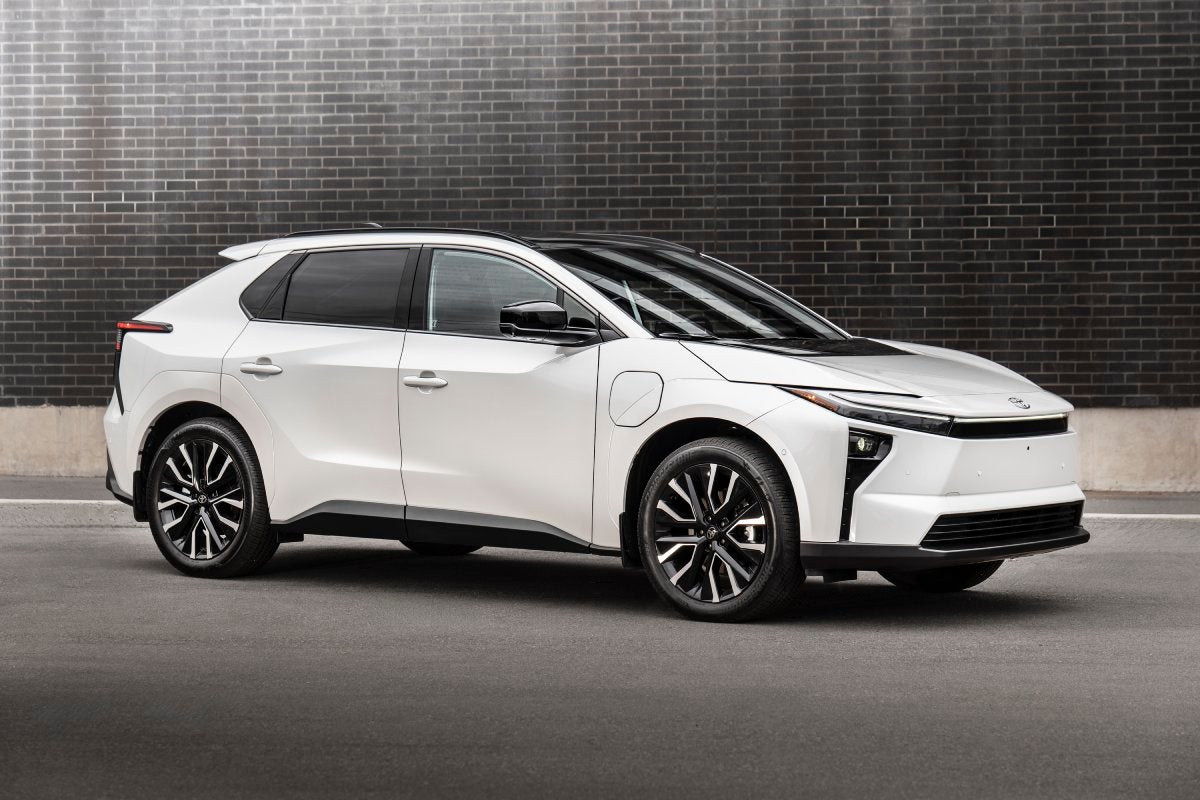
White 2026 Toyota bZ in El Monte, CA

2026 Toyota bZ vs. Chevrolet Equinox EV: Why Toyota Comes Out on Top

Compact electric SUVs have gotten a lot more interesting lately, and two of the more compelling options for Southern California drivers are the 2026 Toyota bZ and the Chevrolet Equinox EV. Both promise solid range, modern tech, and a reasonable price of entry into EV ownership. We've put together a side-by-side comparison that looks past the spec sheet and into what actually matters for daily driving around El Monte and the greater LA area. You can also browse our new Toyota bZ inventory while you read to see what's available right now. 2026 Toyota bZ vs. Chevrolet Equinox EV: Two Compact Electric SUVs, One Clear Winner The 2026 Toyota bZ vs Chevrolet Equinox EV matchup comes down to a handful of real differences: how easily each one charges, how it actually performs day to day, what's built into the interior, and what ownership costs look like a few years down the road. The Equinox EV wins on headline front-wheel-drive range, and we'll say that plainly. On price, though, the two are much closer than the advertised numbers suggest, and the bZ actually comes in lower once destination charges are counted on both sides. Add charging infrastructure, standard features, and Toyota's reliability reputation, and the bZ pulls ahead in the categories that matter most once you own the vehicle rather than just when you're shopping for it. We'll walk through each vehicle's strengths individually before getting into the head-to-head comparison that decides this one. 2026 Toyota bZ: Distinctive Features and Strengths Toyota rebuilt the bZ from the ground up for 2026, fixing some of the shortcomings that held back the outgoing bZ4X. The lineup now spans three trims: XLE, XLE Plus, and Limited, with pricing from $36,350 for the XLE FWD up to $46,750 for a fully loaded Limited AWD. Toyota's own figures put the redesigned bZ at roughly 25% more range and 50% more power than the outgoing model, and the trim-by-trim numbers back that up. Range, Efficiency, and Real-World Performance The XLE FWD Plus leads the lineup at an EPA-estimated 314 miles, while the Limited FWD is rated at 299 miles, the XLE AWD reaches 288 miles, the Limited AWD comes in at 278 miles, and the base XLE FWD is rated at 236 miles. Efficiency on the XLE FWD Plus checks in at 130 MPGe combined, or 144 city and 117 highway, the strongest rating in the lineup. Power ranges from 168 horsepower on the base XLE and 221 horsepower with a roughly 8.0-second 0-60 mph time on the XLE Plus, up to 338 horsepower and a 4.9-second sprint on any AWD model. Real-world testing has been kind to the bZ. In one independent range test, an XLE FWD Plus covered 331 miles on a single charge, roughly 17 miles past its 314-mile EPA rating, while consuming about 23.3 kWh per 100 miles against an EPA estimate of 26. A standard heat pump and battery preconditioning on every trim are a big part of why the bZ holds its numbers together in everyday conditions. For anyone tired of watching an EV's range estimate collapse the moment the climate control kicks on, that's a welcome surprise. Charging Speed and NACS Supercharger Access The bZ ships with a native NACS port on every trim, meaning it plugs directly into Tesla Supercharger stations without an adapter. Toyota rates DC fast-charging at up to 150 kW, taking the battery from 10% to 80% in about 30 minutes under ideal conditions, and one independent test at a Tesla V3 Supercharger completed that same charge in 26 minutes. Pair that with a standard 11-kW onboard Level 2 charger that fills the pack in roughly seven hours at home, and the bZ covers both daily commuting and longer road trips without much friction. For El Monte drivers heading out toward the desert or up the coast, being able to pull into a Supercharger without fumbling for an adapter is worth more than the spec sheet lets on. 2026 Chevrolet Equinox EV: Trim Lineup and Highlights Chevrolet keeps the Equinox EV lineup simple with three trims: LT1, LT2, and RS. Pricing runs from $34,995 for the LT1 up to $44,095 for the RS before an $1,800 destination charge, which works out to $36,795 through $45,895 as delivered. GM built the Equinox EV on the battery architecture it originally branded Ultium, and the lineup delivers strong range figures right out of the gate, which has made it a popular choice among value-focused EV shoppers. LT1, LT2, and RS Trim Overviews The LT1 is the value play, with FWD and a 220-horsepower motor producing 243 lb-ft of torque and an EPA-estimated 319 miles of range, a figure shared by every front-wheel-drive trim in the lineup. Step up to LT2 or the sportier RS trim and you get the option of AWD with 300 horsepower and 355 lb-ft of torque, though range drops to 307 miles and 0-60 mph times land around 6 seconds. Heated front seats aren't standard until the LT2 trim, and features like ventilated seats, heated rear seats, and a head-up display require the $3,100 Convenience Package II, an added cost worth factoring into any features comparison. Pricing and Value: Which EV Delivers More for Your Money The two are closer on price than the advertised figures suggest, because those figures aren't always measured the same way. Chevrolet's $34,995 LT1 price excludes an $1,800 destination charge, while Toyota's widely quoted $36,350 for the bZ XLE FWD already includes its $1,450 destination charge. Line them up the same way and the bZ comes out ahead on both counts: $34,900 versus $34,995 on base MSRP, and $36,350 versus $36,795 as delivered. Step up to the XLE FWD Plus at $39,350 delivered and you get an EPA-estimated 314 miles, which keeps the bZ squarely competitive on price per mile of range against a $36,795 LT1, before any current Toyota incentives are applied. Incentive amounts change month to month and vary by region, and the federal clean vehicle tax credit expired on September 30, 2025, so it no longer applies to new EV purchases. State, local, and utility programs may still be available depending on your situation, so we'd recommend confirming current numbers with our finance team before you buy. You can get pre-qualified online to see what your numbers look like before you ever step onto the lot. Technology, Interior Comfort, and Everyday Livability Inside, the Equinox EV brings a bigger footprint with a 17.7-inch touchscreen running Google built-in, but it drops both Apple CarPlay and Android Auto entirely, a gap that's likely to frustrate phone-first shoppers in this segment. The bZ's 14-inch touchscreen is smaller on paper, but every trim comes with standard wireless Apple CarPlay and Android Auto plus dual wireless phone chargers, so day-to-day connectivity clearly favors the Toyota. Cargo space runs close between the two, and the bZ has the edge where most people actually use it. Toyota lists 27.7 cubic feet behind the rear seats against the Equinox EV's 26.4, and with the seats folded the two are effectively tied at 56.9 cubic feet for the bZ and 57.2 for the Chevy. The bZ measures 184.6 inches long, 73.2 inches wide, and 65 inches tall, with 8.2 inches of ground clearance against the Equinox EV's 6.4, which is a meaningful difference on steep driveways and rougher trailheads. The Limited trim adds a panoramic glass roof, SofTex upholstery, ventilated front and heated rear seats, and a digital rearview mirror, features that come standard rather than bundled into an optional package. If you want to get a feel for the cabin before visiting us in person, our virtual test drive tool is a good place to start. Safety, Reliability, and Warranty Confidence Reliability comparison is where Toyota's reputation carries real weight. Consumer Reports rates the Equinox EV's predicted reliability as "Average," noting scattered 12-volt battery and charging issues. IIHS testing on the bZ shows a Good rating in the side-crash test, an Acceptable rating in small and moderate overlap front tests, and Good marks for front crash prevention systems and LATCH ease of use. As of April 2026, NHTSA and IIHS have not yet published crash-test results for this generation of the Equinox EV, so we can't compare that data directly, and we'd caution against assuming either outcome until results are released. Warranty coverage is one area where the two are close but not identical. The bZ carries a 3-year/36,000-mile basic warranty, a 5-year/60,000-mile powertrain warranty, and an 8-year/100,000-mile battery warranty, plus 2 years or 25,000 miles of free scheduled maintenance and 2 years of roadside assistance. The Equinox EV matches the 8-year/100,000-mile coverage on its battery and EV components, so buyers get similar peace of mind on the parts that matter most for long-term EV ownership. Side-by-Side Spec Comparison Table For a quick side-by-side comparison, here's how the two lineups stack up on the specs that matter most: Spec 2026 Toyota bZ 2026 Chevrolet Equinox EV Starting price (incl. destination) $36,350 $36,795 Powertrain/Motor Single or dual motor, 74.7 kWh (Plus/AWD/Limited) or 57.7 kWh (base XLE) Single or dual motor, ~85 kWh Drivetrain FWD or AWD FWD or AWD Horsepower/Torque 168 hp (base XLE), 221 hp (FWD Plus/Limited), 338 hp (AWD) 220 hp/243 lb-ft (FWD); 300 hp/355 lb-ft (AWD) EPA Range 236-314 mi (EPA-estimated) 307-319 mi (EPA-estimated) DC Fast-Charge Speed Native NACS, ~150 kW peak, 10-80% in ~30 min CCS1 (NACS adapter required), ~150 kW peak Cargo Volume 27.7 cu ft (behind rear seats), 56.9 cu ft (folded) 26.4 cu ft (behind rear seats), 57.2 cu ft (folded) Ground Clearance 8.2 in 6.4 in Frequently Asked Questions Which EV has more usable range, the bZ or Equinox EV? The Equinox EV has the longest headline range at an EPA-estimated 319 miles across its front-wheel-drive trims, edging out the bZ's XLE FWD Plus at 314 miles. In practice the gap is small, and independent testing has seen an XLE FWD Plus beat its EPA figure and cover 331 miles on a charge, so the two land in similar territory in everyday driving. Is the Toyota bZ more reliable than the Chevrolet Equinox EV? It's difficult to say definitively, since Consumer Reports predicts about average reliability for the Equinox EV and hard 2026-specific data is still developing for both models. Toyota's broader track record for reliability across its lineup gives the bZ an edge in consumer confidence, and the bZ builds on a battery and drivetrain architecture Toyota has been refining in this segment since 2022. Which SUV charges faster on road trips? The bZ has a practical advantage here because every trim uses a native NACS port that plugs directly into Tesla Superchargers, with independent testing showing a 10-80% charge in as little as 26 minutes. The 2026 Equinox EV uses a CCS1 port and needs a separately purchased adapter to reach the same Supercharger network. Chevrolet is adding a native NACS port for the 2027 model year, so anyone shopping current 2026 inventory should budget for the adapter. The Verdict: Why the 2026 Toyota bZ Comes Out on Top at Longo Toyota When we look at the full 2026 Toyota bZ vs Chevrolet Equinox EV comparison, the Equinox EV genuinely wins on headline FWD range, and we think shoppers deserve to know that upfront. On price the bZ actually starts lower once destination is counted on both sides, and it pulls further ahead with native NACS charging, standard wireless Apple CarPlay and Android Auto, more cargo room behind the rear seats, more ground clearance, real-world range that holds up under actual driving conditions, and Toyota's long-standing reliability reputation. Add those up and you get a stronger overall ownership experience, especially for anyone doing regular road trips out of Southern California. Visit Us in El Monte, CA As the world's largest Toyota dealership, we carry the inventory and service capacity to back that up, whether you're comparing trims, weighing financing options, or just want to sit in both vehicles before deciding. Stop by our showroom in El Monte, take the bZ for a spin, and contact our team when you're ready to talk numbers. We're here seven days a week to help you make the right call.

Toyota Grand Highlander

2026 Toyota Grand Highlander vs. 2027 Kia Telluride: Why the Toyota Wins

Three-row SUV shoppers in North Texas have two strong options this year, but they're not equally matched. The 2026 Toyota Grand Highlander vs Kia Telluride comparison comes down to hybrid maturity, documented safety data, and standard equipment Toyota includes from the base trim up. The specs below show why the Grand Highlander comes out ahead. If you want to skip ahead, you can browse our current Grand Highlander inventory right now. 2026 Toyota Grand Highlander vs. 2027 Kia Telluride: At a Glance The 2026 Grand Highlander is a carryover year for us with no major non-hybrid changes, while the Telluride skipped 2026 entirely and returns for 2027 as a fully redesigned second generation. Spec Grand Highlander (Gas) Grand Highlander (Hybrid MAX) Telluride (Gas) Telluride (Hybrid) Engine 2.4L turbo 4-cyl Turbo 2.4L + electric motor Turbo 2.5L 4-cyl Turbo 2.5L 4-cyl + 2 electric motors Drivetrain FWD standard, AWD available AWD only FWD/AWD FWD/AWD Transmission 8-speed automatic 6-speed automatic 8-speed automatic 8-speed automatic Horsepower/Torque 265 hp 362 hp / 400 lb-ft 274 hp / 311 lb-ft 329 hp / 339 lb-ft Fuel Economy 21/28/24 mpg 26/27/27 mpg 22 combined FWD (20 city/26 hwy), 20 combined AWD (18 city/24 hwy) Up to 35 mpg combined (EX FWD), 31 mpg AWD Towing Up to 5,000 lb Up to 5,000 lb Up to 5,000 lb 4,500 lb Grand Highlander's hybrid lineup has established output figures and a proven fuel economy track record. We'll dig into that further below. Meet the 2026 Toyota Grand Highlander LE, XLE, and Limited: Everyday Value and Comfort The LE trim starts things off with 18-inch wheels, LED head and taillights, a power liftgate, wiper de-icers, and keyless entry and start. Fabric-trimmed three-row seating comes standard, along with an 8-way power driver seat and a 4-way manual passenger seat. Every Grand Highlander, including the LE, gets a 12.3-inch Toyota Audio Multimedia touchscreen with wireless Apple CarPlay and Android Auto standard, no upcharge required. Step up to the XLE and you'll find heated front seats, a wireless charger, second-row sunshades, and synthetic leather upholstery. An available 8-seat bench configuration and 18-inch silver alloy wheels round out the upgrades. The Limited trim adds a memory driver seat, heated and ventilated front seats, and 20-inch wheels. LE pricing starts at $42,260, XLE from $45,030, and Limited from $49,760. Platinum and Hybrid Trims: Efficiency Meets Luxury Hybrid powertrains are available across LE, XLE, Limited, Nightshade, and Platinum trims, so efficiency isn't locked behind a premium price tag. The standard hybrid pairs a 2.5-liter four-cylinder with an electric motor through a CVT, producing 245 hp with FWD or AWD availability. For drivers who want more muscle, the optional Hybrid MAX combines a turbocharged 2.4-liter engine with electric assist for 362 hp and 400 lb-ft of torque, paired exclusively with AWD. Platinum and Hybrid Nightshade trims add heated and ventilated second-row seats. The top Hybrid MAX Platinum brings a panoramic roof, a 10-inch head-up display, a digital rearview mirror with HomeLink, and Traffic Jam Assist through a Drive Connect trial or subscription. AWD adds $1,600 across the lineup and comes standard on Platinum. Meet the 2027 Kia Telluride Kia skipped the 2026 model year entirely, moving from the 2025 version straight to a redesigned 2027 model with a bigger, boxier body and a more functional third row. The LX starts at $39,190 before a $1,545 destination charge, with a 12.3-inch touchscreen, wireless Apple CarPlay and Android Auto, cloth upholstery, and a second-row bench for 8-passenger seating. The S adds captain's chairs at $42,090, and the EX starts at $43,790. Eight-passenger seating is not offered across the full lineup, which narrows Kia's family-hauling flexibility next to the Grand Highlander's broader bench availability. Higher trims move toward luxury and capability, with the X-Pro adding 9.1 inches of ground clearance, all-terrain tires, and a standard tow hitch. Pricing tops out at $56,790 for the X-Pro SX Prestige, and the LX is up nearly $3,000 over the outgoing generation. Exterior Design, Size, and Capability Compared The redesigned Telluride grew to a 116.9-inch wheelbase and 199.2 inches overall. The Grand Highlander runs a 116.1-inch wheelbase and stretches to 201.4 inches, making it the longer vehicle of the two by more than 2 inches, with that length going into the third row and cargo hold. Towing favors Toyota's hybrid lineup. Both the gas and Hybrid MAX Grand Highlander are rated at 5,000 lb, while the Telluride's hybrid drops to 4,500 lb. For North Texas families towing a boat to Lake Lewisville, the Hybrid MAX means no trade between capability and fuel savings. Interior Space, Comfort, and Cargo Room Cargo capacity is where the Grand Highlander separates itself once you start loading up. It offers 20.6 cubic feet with all seats up, 57.9 with the third row folded, and a maximum of 97.5 with all rear seats down, enough to stack seven carry-on suitcases behind the third row. Kia lists the gas Telluride at 22.3, 48.7, and 89.3 cubic feet, with the hybrid a cubic foot lower at each measurement. The Telluride holds a small edge with every seat occupied, but the Grand Highlander opens up more than 8 additional cubic feet when you fold everything flat. The third row tells a similar story. The Grand Highlander gives back-seat passengers 33.5 inches of legroom against the Telluride's 32.1, with headroom within a fraction of an inch. Toyota also offers eight-passenger bench seating across more of the lineup. If your third row carries adults regularly rather than occasionally, the Grand Highlander is the one built around that. Powertrain Performance and Fuel Efficiency Grand Highlander's standard gas engine is a 265-hp turbocharged four-cylinder paired with an 8-speed automatic, running FWD standard with AWD available for $1,600 more. FWD models return 21 mpg city, 28 highway, and 24 combined. The Telluride's gas engine is a turbocharged 2.5-liter four-cylinder producing 274 hp and 311 lb-ft, which is 17 hp less than the prior generation's 3.8-liter V6 but 49 lb-ft more torque. Reviewers have split on how that trade plays out in practice, with some noting the extra torque arrives early and others finding the four-cylinder less eager than the old V6 at higher revs. Toyota's 265-hp turbo four sits in the same neighborhood on output, and buyers who want real acceleration have the 362-hp Hybrid MAX available without leaving the lineup, an option Kia does not match on either powertrain. Why the Grand Highlander's Hybrid Advantage Matters Grand Highlander's standard hybrid delivers 245 hp with an EPA-rated 37 mpg city, 34 highway, and 36 combined on the FWD XLE, a fuel economy figure built on years of proven hybrid engineering. The Hybrid MAX pushes output to 362 hp and 400 lb-ft while still returning 26/27/27 mpg, giving drivers a genuine performance option without leaving efficiency behind. Kia's Telluride hybrid pairs its turbo 2.5-liter engine with two electric motors for 329 hp and 339 lb-ft, reaching up to 35 mpg combined in the best-case EX FWD trim or 31 mpg with AWD. Those numbers look competitive on paper. What's new is the combination: this turbo-hybrid powertrain is making its debut in a first-year redesign, and it's the first Kia hybrid assembled in the United States, at the company's West Point, Georgia plant. That means there is no model-specific reliability data for it yet. Toyota's hybrid system, by contrast, has been refined across multiple generations, and Consumer Reports singled out the Grand Highlander Hybrid as a standout performer in its 2026 reliability survey. Toyota also backs the hybrid battery for 10 years or 150,000 miles. That combination counts for something if you're commuting across North Texas daily or planning a long road trip with three rows packed full of gear. Technology, Safety, and Driver-Assist Features Every Grand Highlander trim, starting with the LE, comes standard with Toyota Safety Sense 3.0, adaptive cruise control, lane-keeping assist, automatic emergency braking, blind-spot monitoring, and rear cross-traffic alert. The 12.3-inch touchscreen with voice control is standard across the board too, so you're not paying extra for baseline safety and connectivity. IIHS has put the Grand Highlander through the full battery, and the results are on the record. It earned good ratings in passenger-side small overlap, moderate overlap, and updated side impact, plus superior marks for daytime and nighttime pedestrian crash prevention. An acceptable driver-side small overlap rating keeps it out of Top Safety Pick contention, though the dummy measurements showed no elevated injury risk to front occupants. The redesigned 2027 Telluride has not been crash-tested by IIHS or NHTSA at all. One side has a published picture, the other has nothing yet. Pricing, Reliability, and Long-Term Value On paper, the Telluride's LX starts lower at $39,190 (before destination) compared to the Grand Highlander LE's $41,360. The Telluride S starts at $42,090 and the EX at $43,790, compared to our XLE at $44,130 and Limited at $48,860. Reliability is where the long-term math shifts firmly in Toyota's favor. Consumer Reports ranked Toyota the #1 most reliable brand for 2026 with a reliability score of 66, ahead of Subaru at 63 and Lexus at 60. J.D. Power's dependability studies consistently place Toyota and Lexus at the top of the industry. Kelley Blue Book's expert reviews also point to the Grand Highlander's strong resale value, tied directly to Toyota's reliability reputation. When it comes to Kia Telluride vs Toyota Grand Highlander reliability, the data favors Toyota's track record over Kia's brand-new hybrid system with no history yet. Final Verdict: Why the 2026 Toyota Grand Highlander Wins Line up the Toyota Grand Highlander vs Kia Telluride specs side by side, and the Grand Highlander wins on the factors that matter most for long-term ownership. Grand Highlander offers broader 8-passenger seating availability across the lineup, a hybrid powertrain with a proven track record and documented fuel economy, standard safety technology backed by real IIHS crash-test data, and reliability rankings that lead the industry according to Consumer Reports and J.D. Power. The Telluride brings bold styling and strong base-trim value, but Kia is asking buyers to sign on for a redesign with no crash-test results and a first-generation hybrid system. For families comparing Highlander vs Telluride or Grand Highlander vs Telluride options in North Texas, the Grand Highlander delivers verified performance where the Telluride is still asking buyers to take it on faith. Test Drive the Grand Highlander at Longo Toyota of Prosper We'd rather you experience these numbers firsthand than just read about them. Longo Toyota of Prosper operates from a $25 million, 15-acre facility at 2100 West University Drive in Prosper, Texas, and we've proudly carried the title of the nation's #1 volume Toyota dealership for over 55 years. Explore a virtual test drive from home, or browse our current Grand Highlander inventory to find the trim that fits your family. When you're ready to talk specs, financing, or scheduling a visit, contact our team and we'll get you behind the wheel.

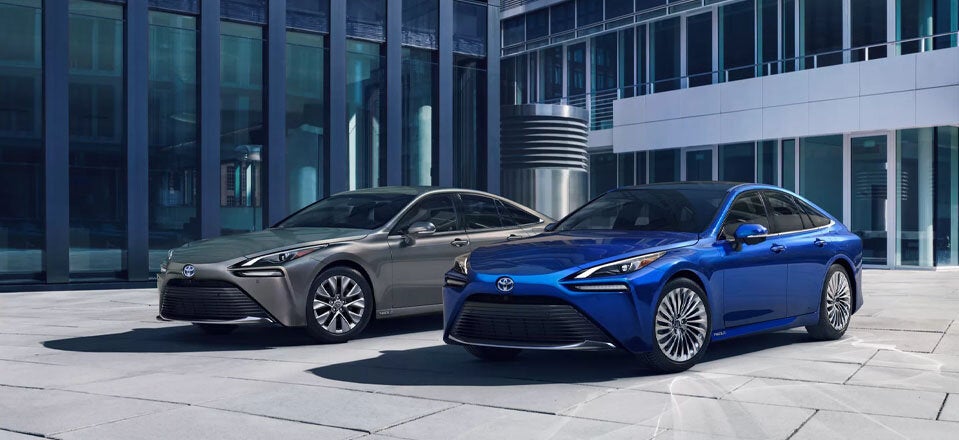
Two Toyota sedans

Where Are Toyotas Made? U.S. Manufacturing and Tariffs Explained

If you're shopping for a new Toyota, you've probably wondered where your vehicle actually comes from. The answer surprises a lot of people: roughly half of the Toyotas sold in the U.S. are assembled on American soil, including several of the brand's highest-volume models. With tariff policy shifting through 2026, knowing where your Toyota is built matters more than ever for pricing and peace of mind. Before you browse our new Toyota inventory, we'll break down exactly where your next Camry, RAV4, or Tacoma is built and what tariffs could mean for your wallet. Toyota's U.S. Manufacturing Footprint at a Glance Toyota's U.S. manufacturing footprint is bigger than most shoppers realize. The company employs approximately 50,000 people in the United States and has been involved in the development and manufacturing of more than 35 million vehicles across 11 U.S. manufacturing plants. That production is backed by nearly $60 billion in cumulative U.S. investment since Toyota began operations here nearly 70 years ago. On November 12, 2025, Toyota announced up to $10 billion in additional U.S. investment over the next five years. On March 23, 2026, timed to the Kentucky plant's 40th anniversary, Toyota detailed that $1 billion of that would go toward Kentucky and Indiana. The Kentucky plant receives $800 million to prepare for its second battery electric vehicle and to increase Camry and RAV4 assembly capacity, while Indiana receives $200 million to increase capacity for the Grand Highlander. Increasingly, the honest answer to "where are Toyotas made?" is: more of them here every year. Inside Toyota's American Plants Toyota's manufacturing plants in the USA each specialize in a different corner of the lineup, from sedans to full-size trucks to the batteries that power the hybrids. Here's a look at each facility keeping the Toyota factory network running. Toyota Motor Manufacturing Kentucky Toyota Motor Manufacturing Kentucky (TMMK), in Georgetown, KY, is Toyota's largest manufacturing plant in the world, spanning roughly 1,300 acres and 9 million square feet. Toyota broke ground here in 1986 and built its first Camry in 1988. The plant marked 40 years in the commonwealth in 2026 and employs around 10,000 team members. TMMK currently builds the Camry, Camry Hybrid, and RAV4 Hybrid, with Lexus ES production having wrapped up in 2025. The plant is also Toyota's entry point into American EV assembly. Toyota confirmed in February 2026 that the all-electric 2027 Highlander will be built in Georgetown, making it the first three-row battery electric vehicle Toyota builds for the U.S. market, with sales expected to begin in late 2026. The March 2026 investment prepares the same plant for a second battery electric model. Toyota Motor Manufacturing Texas Toyota Motor Manufacturing Texas (TMMTX) broke ground in 2003 and started operations in 2006 in San Antonio, TX, where it builds the Tundra and Sequoia alongside rear axles. On July 6, 2026, Toyota announced a $3.6 billion expansion that will add a second assembly line for the Tacoma, create roughly 2,000 new jobs, and add 2.5 million square feet of space, effectively doubling the plant's size by 2030. Annual capacity rises from roughly 200,000 units to 350,000. That expansion also means Tacoma production is shifting away from Baja California, Mexico, to San Antonio over roughly four years, with Texas-built Tacomas expected to start rolling off the new line in 2030. Total investment in the San Antonio site now stands at $8.3 billion since groundbreaking in 2003. Toyota Motor Manufacturing Indiana Toyota Motor Manufacturing Indiana (TMMI) sits on 1,160 acres in Princeton, IN, with 4.5 million square feet of production space. It's the only U.S. plant building the Highlander and Highlander Hybrid, and it also produces the Grand Highlander, Lexus TX, and Sienna Hybrid. Toyota broke ground here in 1996 and started production in 1998. The plant marked 30 years in southern Indiana in May 2026, by which point more than 8 million vehicles had rolled off its final assembly line, making it one of Toyota's most productive North American facilities. Toyota Motor Manufacturing Mississippi Toyota Motor Manufacturing Mississippi (TMMMS), located in Blue Springs, MS, opened in October 2011 and is the North American home of the Corolla sedan. Roughly 2,400 team members work there, averaging more than 180,000 units annually. TMMMS also holds the distinction of being the first U.S. plant to assemble electrified Corolla models, part of Toyota's broader hybrid push across its lineup. The Corolla Hatchback remains an import. Toyota Motor Manufacturing Alabama and North Carolina Battery Plant Toyota's Huntsville, AL engine plant supplies engines for the Corolla, Corolla Cross, Highlander, Sequoia, Sienna, Tacoma, and Tundra. Nearby, Mazda Toyota Manufacturing USA (MTMUS) in Madison, AL builds the Corolla Cross, the only North American facility to do so, alongside the Mazda CX-50, with combined capacity for 300,000 vehicles a year. Meanwhile, Toyota Battery Manufacturing North Carolina (TBMNC) in Liberty, NC began production on November 12, 2025, as Toyota's 11th U.S. plant and its first battery plant outside Japan. Backed by roughly $14 billion in investment and up to 5,100 jobs, TBMNC spans 7 million square feet with 14 production lines and 30 GWh of capacity, supplying batteries for the Camry HEV, Corolla Cross HEV, RAV4 HEV, and an upcoming all-electric three-row model. Where Popular Toyota Models Are Actually Built The answer varies by model, and it's worth understanding the difference between "made," "built," and "assembled." A vehicle can be assembled at a U.S. plant like TMMK while still containing an engine sourced from Japan; automakers describe that vehicle as U.S.-built or U.S.-assembled, even though not every component originated domestically. That distinction matters once tariffs on parts enter the picture. Camry, Corolla, and RAV4 Production Sites The Camry is built exclusively at TMMK in Georgetown, KY. The Corolla sedan is built at TMMMS in Blue Springs, MS, while the Corolla Hatchback comes from Japan. The RAV4 is more of a mixed case: the RAV4 Hybrid comes out of Georgetown, the gas RAV4 is largely built in Ontario, Canada, and the plug-in RAV4 is imported from Japan. Tacoma, Tundra, Highlander, and Sequoia: US-Built or Imported TMMTX in San Antonio, TX handles both the Tundra and Sequoia, while TMMI in Princeton, IN is the sole source for the Highlander and Highlander Hybrid. The Tacoma is currently imported from Baja California, Mexico, though that's changing as production shifts to San Antonio over the next several years. If you're weighing a Camry against a RAV4, or curious how your Tacoma stacks up against a Tundra, explore U.S.-built models in stock and see the full lineup in person at our El Monte showroom. How to Check Where Your Specific Toyota Was Made You don't need to guess whether your particular vehicle is American-made or imported. Every Toyota carries a Vehicle Identification Number (VIN) that reveals its country of assembly, and checking it takes just a few minutes. Locate the VIN, visible through the lower driver-side windshield, on the door jamb sticker, or on your title, registration, and insurance card. Check the first character of the VIN: a 1, 4, or 5 means the vehicle was built in the USA; a 2 indicates Canada; a 3 indicates Mexico; and a J indicates Japan. Look at the 11th digit of the VIN, which identifies the specific plant code among Toyota's plant codes. Confirm with the door jamb certification label, which lists the vehicle's final assembly point along with the manufacture date. Bring the full VIN to our service or sales team if you'd like us to pull the build record and confirm sourcing details for your specific vehicle. Tariffs and Toyota: What Buyers Need to Know Tariff policy has moved repeatedly through 2026, so treat any pricing talk as conditional rather than settled. The Supreme Court struck down the reciprocal tariffs in February 2026, a temporary 10% global tariff ran from late February until it expired by law on July 24, 2026, and Section 232 duties on vehicles and parts remain in force with an exemption for qualifying USMCA content. Parts of this framework are still working through the courts. Because rates have changed several times this year, we'd point you to current federal guidance rather than quote a number that may not hold by the time you read this. Which Models and Parts Are Most Affected As of early 2026, about 23% of Toyota's U.S. sales came from vehicles imported from Japan, with roughly another 28% produced in Mexico or Canada. Exposure follows sourcing, so the models most affected are those built outside the United States, including the Prius, plug-in RAV4, Land Cruiser, Crown Signia, and 4Runner. Models largely shielded because they're U.S.-built or qualify under USMCA include the Camry, Corolla, Corolla Cross, Highlander, and Tacoma. Tariffs don't stop at finished vehicles, either. Imported OEM parts have carried duties through much of this period, and repair costs have moved with them. Even U.S.-assembled models aren't entirely immune, since a vehicle built in Kentucky can still contain components sourced abroad. How Tariffs Could Influence Prices and Availability Speaking in early 2026, Toyota indicated it might implement three price adjustments over the year rather than the usual two, citing tariffs and uncertainty around the USMCA review. Executives also described the company's stance as that of a "market follower" on pricing. None of this should be read as locked-in fact, and the picture has continued to shift since. What holds regardless is the underlying logic: imported models carry more tariff exposure than U.S.-built ones, which is one more reason to pay attention to where a vehicle is actually assembled before you buy. Why Toyota's US Manufacturing Matters for Your Next Purchase U.S. manufacturing shows up in real recognition and real value. In the 2026 Cars.com American-Made Index, the Camry jumped from 24th to 11th place, and the Tundra climbed from 51st to 19th. Toyota contributed 14 qualifying vehicles to that index, more than any other automaker, and the Lexus TX 350 landed at No. 7. Beyond rankings, Toyota's domestic build quality has long supported strong resale performance across the lineup, which matters if you plan to trade in or sell down the road. Combined with the $10 billion investment announcement and the follow-on commitments in Kentucky, Indiana, and Texas, it's clear where Toyota is putting its chips for the years ahead. Frequently Asked Questions Are Any Toyotas Still Imported From Japan Yes. While many of Toyota's highest-volume models are built in the U.S., vehicles including the 4Runner, Land Cruiser, and the plug-in RAV4 are still imported. So the notion that all Toyotas are made in Japan is a clear no, but Japan still plays a role for select models. Will Tariffs Affect Used Toyotas Too Tariffs primarily target new vehicles and imported components, but the ripple effects can reach the used market too. As new vehicle pricing shifts, demand for used alternatives can rise, indirectly affecting used Toyota pricing and availability. Explore US-Built Toyotas at Longo Toyota Dominic Longo founded this dealership in 1967, and we've been the world's largest Toyota dealership ever since, based on Toyota Motor Sales, USA sales reports. That kind of consistency comes from knowing our inventory inside and out, including which vehicles roll off American assembly lines. Now that you know where Toyotas are built, it's easier to shop with confidence. Visit Us in Southern California If you're in Southern California and want to see a U.S.-built Camry, Corolla, or Highlander in person, our El Monte, CA showroom is the place to start. Get Personalized Guidance Contact our El Monte team and ask which in-stock vehicles are U.S.-assembled; we're happy to walk you through VIN details, financing, and everything else you need for a confident purchase.

Toyota bz

2026 Toyota bZ Price Guide: Cost by Trim, from XLE to Limited

If you're wondering how much the 2026 Toyota bZ costs, pricing starts at $36,350 and tops out at $46,750 depending on trim and drivetrain. That's a wider spread than you'd expect from an EV lineup, and it comes down to battery size, horsepower, and whether you go FWD or AWD. We've broken down every trim below so you know exactly what you're paying for before you set foot on our lot in El Monte. If you want to get the paperwork moving early, you can also get pre-qualified before your test drive. 2026 Toyota bZ Pricing Overview Toyota folded the $1,450 destination fee directly into the MSRP for 2026, so the numbers below reflect what actually shows up on the window sticker. The 2026 Toyota bZ price shifts quite a bit by trim and drivetrain, and this table lays out the full picture. Trim Drivetrain Range Horsepower Battery Starting Price XLE FWD 236 mi 221 hp 57.7 kWh $36,350 XLE Plus FWD 314 mi 221 hp 74.7 kWh $39,350 XLE AWD 288 mi 338 hp 74.7 kWh $41,350 Limited FWD 299 mi 221 hp 74.7 kWh $44,750 Limited AWD 278 mi 338 hp 74.7 kWh $46,750 The base XLE dropped $2,170 compared to the outgoing model, while the Limited crept up $1,500. Every 2026 Toyota bZ trim carries the same coverage: a 3-year/36,000-mile limited warranty, a 5-year/60,000-mile powertrain warranty, and an 8-year/100,000-mile battery warranty. That makes side-by-side comparisons easier since coverage never changes by trim. 2026 Toyota bZ XLE: Price and Standard Features The XLE starts at $36,350 and sits at the entry point into the lineup. It runs the smallest battery in the family at 57.7 kWh, delivering 236 miles of EPA-estimated range, plenty for most Southern California commutes without daily charging stops. The XLE still comes loaded with useful gear. Standard equipment includes blind-spot monitoring, dual wireless phone chargers, a 14-inch touchscreen, heated front seats, SofTex seating surfaces, and 18-inch wheels. Toyota Safety Sense 3.0 comes standard across every trim, so you're not paying extra for core safety tech just because you picked the base model. For El Monte commuters who mostly stick to local highways and surface streets, this trim covers the basics well. 2026 Toyota bZ XLE Plus: Price and Added Value Step up to the XLE Plus and you're looking at roughly $39,350, about $3,000 more than the base XLE. That extra money buys a significantly larger 74.7-kWh battery pack and stretches range to 314 miles, the longest in the entire lineup. The XLE Plus keeps the same 221 hp as the base XLE, since both are FWD-only at this tier, but the range jump alone makes this trim worth a look if you do a lot of freeway driving between Southern California cities. Edmunds calls FWD the smarter pick for range-focused buyers, and real-world testing on a similarly configured model recorded 331 miles, beating the EPA estimate. 2026 Toyota bZ Limited: Price and Premium Features The Limited starts at $44,750 for FWD and jumps to $46,750 with AWD, making the AWD Limited the priciest configuration in the lineup. That premium buys a genuine step up in comfort and tech. The Limited adds ventilated front seats, heated rear seats, a Panoramic View Monitor for parking, a digital rearview mirror, Advanced Park for hands-free parking assistance, and a panoramic glass roof with a power sunshade. Wheels grow to 20 inches, and you can option a 9-speaker JBL Premium Audio system. Digital key functionality, meanwhile, is available across the entire bZ lineup, not just the Limited, and requires an active Remote Connect subscription. This is where the XLE vs. Limited comparison gets interesting, since the Limited trades some range for luxury amenities you'd expect on a vehicle costing several thousand more. FWD vs. AWD: How Drivetrain Affects Price by Trim AWD carries a $2,000 upcharge over the equivalent FWD configuration with the same 74.7 kWh battery. On the Limited, that's the difference between $44,750 (FWD) and $46,750 (AWD). On the XLE, the true AWD-only upcharge is best measured against the XLE Plus FWD at $39,350, which shares AWD's 74.7 kWh battery: stepping up from the base XLE FWD's smaller 57.7 kWh battery to XLE AWD costs $5,000 total, since that jump adds both the larger battery and the AWD hardware. That money buys a jump from 221 hp to 338 combined horsepower, plus quicker acceleration, 0 to 60 mph in about 4.9 seconds on the AWD XLE. The trade-off is that AWD range drops compared to FWD versions with the same battery, since AWD models add a rear motor and X-MODE for low-traction situations, both of which draw more energy. What Impacts Your Final Price The sticker price is just the starting point. A few other factors shape what you'll actually pay, worth understanding before you sit down at the negotiating table. Destination Fees and Optional Packages Toyota has already folded the $1,450 destination fee into the advertised MSRP for 2026, which simplifies things compared to previous years. Optional packages still add on top, though. A Panoramic Roof Package is available on the XLE, while Limited buyers can add the 9-Speaker JBL Premium Audio Package. Other options across the lineup include all-weather floor liners, carpet mats, and a Preferred Accessory Package, all of which push the final price above the base trim figure. Federal EV Tax Credit and Available Incentives The $7,500 federal new-EV tax credit ended for vehicles acquired after September 30, 2025, under the One Big Beautiful Bill Act, so don't build your budget around it. That means there's currently no point-of-sale federal discount applying to the 2026 Toyota bZ. This is a meaningful shift from how EV shopping worked just a year ago, and it's worth factoring into your budget from the start. Toyota has also reported its own promotional programs, such as a lease around $379 per month for 36 months with $3,749 due at signing, or 0% APR for 72 months paired with a cash incentive; these offers change monthly, so confirm current terms before assuming a rate. We'd recommend confirming current offers and eligibility directly with our team before assuming any specific savings apply to your purchase. Financing vs. Leasing: What It Means for Your Monthly Payment Monthly payments don't scale evenly with sticker price, and the gap between two trims on paper often narrows or widens once term length and residual value enter the picture. That's especially true with leasing, which is built around projected resale value rather than purchase price, so the least expensive trim to buy isn't automatically the least expensive to lease. Financing works the other way: you're paying toward ownership, which suits drivers keeping the car long-term, and the 8-year/100,000-mile battery coverage outlasts a typical loan by a comfortable margin. Leasing tends to mean a lower payment and the option to move into a newer model every few years, which appeals to drivers who'd rather stay current as EV tech keeps moving. Rates and residuals reset regularly, so the practical step is running real numbers on the trim and drivetrain you're weighing. Which 2026 bZ Trim Is Right for You Picking the right trim depends on your priorities. If you're a budget-conscious commuter mostly driving around El Monte and nearby communities, the base XLE at $36,350 covers your needs without unnecessary extras. If long-range driving matters most, the XLE Plus FWD's 314-mile range is the longest in the lineup and worth the roughly $3,000 premium over base. Buyers who want luxury touches and the latest tech should look at the Limited, with its ventilated seats, Panoramic View Monitor, and Advanced Park. And if you drive in varied weather or want extra confidence in wet or slick conditions, the AWD XLE at $41,350 hits a strong price-to-content balance, delivering 338 hp and all-wheel traction without stepping all the way up to Limited pricing. KBB pegs this trim as the lineup's sweet spot, and it's easy to see why. Explore 2026 Toyota bZ Pricing at Longo Toyota Why Shop With Us We've been part of the El Monte community since 1967, and today we're recognized as the world's largest and top-volume Toyota dealership. That scale means our bZ inventory spans more trims and configurations than most dealerships can offer, giving you real options rather than a limited selection to choose from. Whether you're comparing the XLE against the Limited or trying to decide if AWD is worth the upcharge, our team can walk you through current availability and financing paths that fit your situation. Get Started Today You can browse our new bZ inventory to see what's currently on our lot, or contact our team for a personalized quote tailored to your budget and driving needs. We're here seven days a week to help you find the right bZ at the right price.

A group of people sitting at a bar watching tv

5 Best Sports Bars Near Pasadena, CA to Catch the Big Game

Photo by Amit Lahav on Unsplash Pasadena has been a sports town for decades, with the Rose Bowl anchoring a neighborhood that takes game day seriously. That history shows up in the bars scattered through Old Town Pasadena, where crowd noise, screen glow, and sizzling kitchens turn a Sunday slate or a random Tuesday NBA game into an event. This guide breaks down the best sports bars near Pasadena, CA, picked for atmosphere, screen setup, food and drink, and the crowd you'll actually be shoulder to shoulder with when the game gets tight. What Makes a Sports Bar Great for Game Day Near Pasadena Bolting a TV to the wall doesn't make a place worth visiting on game day. The good ones set up screens so nobody's craning their neck, run sound loud enough to hear the announcers over the room, and put real thought into the kitchen. Atmosphere counts just as much as the hardware. Watching a game packed in with fans who are actually into it feels nothing like sitting in a quiet room with the game muted in the corner. The bars on this list bring that energy, whether it's a full NFL Sunday or a college basketball game that snuck up on everybody. Practical details matter too. Parking, how close you are to the freeway, seating that works when you've got a group. Pasadena connects easily to El Monte and the rest of Southern California, so drivers from those areas have plenty of nearby options within about a 30-minute drive. The 5 Best Sports Bars Near Pasadena, CA Old Town Pasadena mixes gastropub polish with laid-back neighborhood spots. These five show up consistently when it matters. 1. Kings Row Gastropub – Best Overall Atmosphere for Big Games Kings Row Gastropub is the Official Bar Partner of LAFC, and it's also the home bar for Arsenal FC, which gives it a soccer pedigree few spots nearby can match. The scratch kitchen turns out burgers and wings with real attention to detail, and the British gastropub setting pairs multiple TVs with a large projector for the marquee matchup. The tap list offers a solid variety of craft beers, enough to switch things up as the game goes on. Between the screens, the kitchen, and how the crowd feeds off the room's energy, Kings Row Gastropub takes the top spot. 2. Lucky Baldwin's Pub – Best for Craft Beer and Elevated Bar Food Lucky Baldwin's Pub has anchored Old Pasadena's historic buildings since 1996, and it's built a serious following among people who care about their beer. The rotating tap list runs past 60 beers, leaning Belgian and craft, so pickier drinkers have plenty to work through. Traditional English food backs up the beer program, flat-screen TVs cover the room, and morning soccer matches draw a crowd that knows the sport. It's a smaller, tighter room than a typical sports bar, but that closeness pulls you into the game. 3. Rocco's Tavern – Best for NBA and College Basketball Fans Rocco's Tavern sits in Old Town Pasadena and is a favorite gathering spot for game day. The atmosphere stays lively without tipping into chaos, and the strong beer and food lineup keeps groups settled in for a full slate of games. It's a central gathering point for pre- and post-game crowds, and during NBA or NCAA basketball season, that central location and steady energy make it the easiest pick on this list for hoops fans. 4. T. Boyle's Tavern – Best Neighborhood Hangout Vibe T. Boyle's Tavern has the kind of relaxed, memorabilia-covered feel that turns into a regular game day spot without much effort. Tucked into a historic alley, it runs 13 flat-screen TVs and a pub food menu built around burgers, wings, and a solid fish and chips. The bar pours 21 beers on tap plus 20 bottled and craft options, alongside ciders and wines, and the staff and crowd both lean family-friendly. You show up, watch the game, eat something worth ordering again, and relax. 5. 35er Bar – Best for Groups and Private Watch Parties 35er Bar has been family-owned since 1963 on Route 66 along Colorado Blvd, and the two-story layout was practically built for bigger gatherings. Fifteen TVs are placed around the space so sightlines stay clean from most seats, the walls carry a deep collection of NFL and NCAA memorabilia, and a downstairs dance floor gives everyone room to spread out once the game wraps. When the Super Bowl or a playoff weekend rolls around, that capacity becomes the venue's biggest selling point for groups and private watch parties. Quick Comparison: Screens, Specials, and Team Loyalties Bar Screens Beer Selection Team Loyalty Vibe Kings Row Gastropub Multiple TVs plus a large projector Craft beers on tap Official Bar Partner of LAFC; Arsenal FC home bar British gastropub energy Lucky Baldwin's Pub Flat-screen TVs throughout 60+ rotating beers, Belgian/craft Morning soccer crowd Historic English pub charm Rocco's Tavern Multiple screens Strong beer and food lineup Central for mixed pre/post-game crowds Lively Old Town energy T. Boyle's Tavern 13 flat-screen TVs 21 beers on tap, 20 bottled/craft, plus ciders and wines Neighborhood regulars Family-friendly, memorabilia-lined 35er Bar Multiple strategically placed TVs Full bar NFL/NCAA memorabilia collection Group-friendly, downstairs dance floor Most of these bars run drink specials tied to NFL and NBA game days. Check each bar's social media before heading out, since promotions usually get posted just a few days ahead and shift depending on the matchup. How to Score the Best Seat Before Kickoff Getting there early beats every other strategy, especially for primetime NFL games, playoff weekends, and marquee college matchups. Bars near Pasadena fill up fast once kickoff approaches, and seats near the center screens disappear first. Arriving 30 to 45 minutes before kickoff on big game days gives you a real cushion. For larger groups, call ahead. Some bars, like 35er Bar with its spacious two-story layout, can accommodate reserved sections for bigger parties, while others run strictly first-come, first-served. Following each bar's social media pays off too, since many post reservation windows and game day details in advance. Coming from El Monte or elsewhere in Southern California, factor parking into your plan before picking a bar. Old Town Pasadena gets crowded fast on busy sports nights. Frequently Asked Questions About Pasadena Sports Bars Which Bar Near Pasadena Is Best for Soccer Fans? Kings Row Gastropub is the clear pick, given its status as the Official Bar Partner of LAFC and its role as an Arsenal FC home bar. Lucky Baldwin's Pub is also a strong option, particularly for morning soccer matches. Where Can I Watch NBA and College Basketball Near Pasadena? Rocco's Tavern is the strongest pick for basketball, with a lively Old Town Pasadena setting that stays busy during NBA and NCAA season. Kings Row Gastropub's screen setup also handles a packed slate well. Do Any of These Sports Bars Take Reservations for Game Day? Policies vary by venue, so it's worth checking with each bar directly for current details. 35er Bar's larger, two-story layout tends to handle groups and private watch parties best, while smaller spots like T. Boyle's Tavern mostly rely on walk-in seating. That's exactly why arriving early matters on high-traffic days. Final Pick: Where to Watch the Big Game Near Pasadena Kings Row Gastropub gives the most dependable all-around experience among the best sports bars near Pasadena, CA, if you're only picking one spot. Multiple TVs and a large projector, a scratch kitchen menu, a strong craft beer tap list, and verified team loyalties to LAFC and Arsenal FC cover the criteria that matter most: atmosphere, screens, food, and a crowd that's genuinely invested. Basketball fans should still make room for Rocco's Tavern, and anyone organizing a bigger group will have an easier time at 35er Bar thanks to its layout and capacity. Plan Your Night Out The right bar comes down to what's on and who's sitting next to you. Get there early, check the venue's reservation setup ahead of time, and look for game day specials before you head out. If you're mapping out the drive from El Monte, it's also a good time to get in touch with the Longo Toyota team about a service check before a busy stretch of road trips, or to browse new Toyota vehicles if you're due for an upgrade before the season heats up.

Front of Toyota Corolla

2026 Toyota Corolla vs. 2026 Nissan Sentra: Which Compact Sedan Wins?

Compact sedans remain some of the most practical vehicles on the market, and the 2026 Toyota Corolla and 2026 Nissan Sentra are two of the strongest options in the segment. Both deliver good value and competitive fuel efficiency at accessible price points, with modern features that punch above their price tag. Below is a side-by-side look at what each model brings to the table so you can decide which one fits your priorities. 2026 Toyota Corolla vs. 2026 Nissan Sentra: First Impressions The 2026 Toyota Corolla carries decades of earned reputation for reliability. Its cabin is practical, and the lineup is broad, including a popular hybrid variant with available AWD. The Nissan Sentra has matured into a genuinely competitive option, known for its smooth ride and standard safety features. Both cars make a strong case, but for different priorities. The Corolla's biggest wins come from its hybrid powertrain with available AWD, higher combined MPG across the lineup, ten standard airbags, and Toyota Safety Sense 3.0 on every grade. The Sentra counters with a slightly lower entry price and a bit more trunk space. Where they overlap: both use similarly sized 2.0L four-cylinder engines, both run CVT transmissions, and both seat five comfortably. If you'd like to compare trims in person, you can browse Corolla inventory at Longo Toyota in El Monte, CA, anytime. Quick Comparison Table: Pricing, Trims, and Key Specs Feature 2026 Toyota Corolla 2026 Nissan Sentra Available Grades LE, SE, XSE; Hybrid LE, SE, XLE S, SV, SR, SL Engine 2.0L Dynamic Force 4-cylinder 2.0L naturally aspirated 4-cylinder Horsepower/Torque 169 hp / 151 lb-ft 149 hp / 146 lb-ft Transmission CVT Xtronic CVT Combined MPG 35 (gas) / 50 (hybrid) 32-33 (varies by trim) Cargo Capacity 13.1 cu. ft. 14.3 cu. ft. AWD Availability Yes, on Hybrid grades No, FWD only Pricing and Trim Levels Compared Both sedans target budget-conscious buyers without sacrificing much comfort or technology, and both open at similar entry points in the compact segment. The Sentra starts marginally lower, but the gap is small enough that it rarely decides the purchase on its own. What separates them is what each dollar buys further up the range. The Corolla lineup runs from the well-equipped LE through the sportier SE and feature-rich XSE, then adds three separate hybrid grades in LE, SE, and XLE. That gives you six distinct configurations and a genuine choice between gas and hybrid at nearly every price point. Nissan keeps things simpler with S, SV, SR, and SL, and skips a hybrid option entirely, so Sentra buyers who want electrified efficiency have to look elsewhere. Pricing shifts with incentives, regional offers, and equipment, so the most reliable way to compare is against current inventory. Our team at Longo Toyota in El Monte can walk you through the full Corolla lineup and help identify which grade fits your budget. Fuel Economy and Powertrain Performance Both sedans use a 2.0L four-cylinder engine, but the numbers tell different stories. The Corolla's Dynamic Force engine produces 169 hp and 151 lb-ft, compared to the Sentra's naturally aspirated 2.0L rated at 149 hp and 146 lb-ft. That difference shows up on the highway, in merging and passing situations that matter for drivers logging freeway miles around Southern California. Fuel efficiency favors the Corolla at every level. Gas grades return 32 city / 41 highway / 35 combined on the LE and 31 / 40 / 34 on the SE and XSE, against the Sentra's 33 combined on S and SV and 32 on SR and SL. The Sentra's Xtronic CVT is smooth in daily driving, but the Corolla holds the efficiency edge across the entire comparison. The hybrid is where the gap becomes decisive. The Corolla Hybrid LE and XLE reach an EPA-estimated 53 city / 46 highway / 50 combined, roughly 50 percent better than anything in the Sentra lineup. Toyota's hybrid system pairs a 1.8-liter engine with electric motors for 138 net combined horsepower, tuned for efficiency rather than outright output, and the payoff is a car that can go well past 500 miles between fill-ups. Choose all-wheel drive and you still see 48 combined on the LE, or 44 on the SE AWD, figures no front-wheel-drive Sentra comes close to matching. The Sentra offers no hybrid and no AWD at any trim. The Sentra has no hybrid or AWD counterpart, so buyers who want either feature will only find them on the Corolla. Interior Comfort, Technology, and Safety Features The Sentra's cabin is well finished for the segment, with quilted leatherette arriving on the top SL grade, and its trunk edges out the Corolla at 14.3 cubic feet versus 13.1. The Corolla answers with a cabin that scales further as you move up. A 7-inch digital instrument cluster is standard on LE and SE, with a 12.3-inch display on the XSE and Hybrid XLE and available on SE grades through the Premium Package. Apple CarPlay and Android Auto are standard across both lineups. On safety, both cars arrive well-equipped. Toyota Safety Sense 3.0 is standard on every Corolla grade, covering Pre-Collision with Pedestrian Detection, Lane Departure Alert with Steering Assist, Full-Speed Range Dynamic Radar Cruise Control, Lane Tracing Assist, Road Sign Assist, and Proactive Driving Assist. Nissan matches the general approach with its own standard suite including automatic emergency braking and blind-spot monitoring. The clearest measurable difference is occupant protection: every Corolla carries ten airbags as standard equipment, including a front passenger seat cushion airbag, against eight on the Sentra. Reliability, Resale Value, and Long-Term Ownership Costs Toyota's reliability record is consistently rated among the best in the industry by sources like Consumer Reports and J.D. Power, and the Corolla has long been a benchmark for low-maintenance, long-lasting transportation. Resale value follows a similar pattern. The Corolla historically depreciates slower than most compact sedans, which helps owners recover more of their investment at trade-in or resale. Nissan's competitive pricing has helped the Sentra close some of that gap, though it still trails the Corolla on long-term value retention. Toyota backs the Corolla with a 3-year/36,000-mile basic warranty, and the model is widely recognized for strong long-term ownership value. The Verdict: Which Compact Sedan Is Right for You? The 2026 Toyota Corolla vs. 2026 Nissan Sentra comparison comes down to what matters most to you. If maximum cargo space or the lowest possible entry price is the priority, the Sentra is a capable, well-equipped choice with standard safety tech across every trim. For most Southern California and El Monte drivers, though, the Corolla comes out ahead. It offers better combined fuel economy at every comparable grade, a hybrid powertrain with available AWD that the Sentra lineup has no answer for, Toyota Safety Sense 3.0 and ten airbags standard on every grade, and a well-established reliability and resale record. Those advantages compound over a five-plus year ownership window, even with both models opening at similar price points. Those advantages add up to smarter total-ownership value over a five-plus year window, even with both models starting at similar price points. Visit Longo Toyota If you're ready to explore the 2026 Toyota Corolla, engineered by Toyota Motor Corporation, in person, browse our new inventory across all Corolla trims. Longo Toyota is located at 3534 North Peck Road in El Monte, CA, with a full showroom and financing department on-site to make car buying easier. Call our sales team at 626-539-2113 or contact us online to schedule a test drive. Frequently Asked Questions Is the Corolla or Sentra more reliable? The Corolla has a longer, more established reputation for durability and low maintenance needs, with reliability ratings from Consumer Reports and J.D. Power consistently among the best in the compact car segment. Sentra build quality has come a long way in recent years, but it hasn't quite caught up to Toyota's track record. Which has better gas mileage, the Corolla or Sentra? The Corolla leads at every level. Gas grades return 34 to 35 combined depending on trim, against 32 to 33 for the Sentra. The Corolla Hybrid widens the gap dramatically, reaching an EPA-estimated 50 combined on LE and XLE grades and 44 to 48 with all-wheel drive, an option the Sentra doesn't offer at all. Which holds its value better, the Corolla or Sentra? The Corolla historically retains its value better than the Sentra, making it the stronger pick for buyers planning to sell or trade in within a few years. The Sentra is narrowing the gap with competitive pricing, but the Corolla still leads on long-term resale performance. Does the Corolla or Sentra offer more standard safety features? Both offer full standard safety suites. Toyota Safety Sense 3.0 comes standard on every Corolla grade, covering Pre-Collision with Pedestrian Detection, Lane Departure Alert with Steering Assist, Lane Tracing Assist, and Proactive Driving Assist. Nissan equips every Sentra with its own standard suite including automatic emergency braking and blind-spot monitoring. The Corolla adds a measurable edge in passive protection with ten standard airbags to the Sentra's eight.

Toyota Corolla

Corolla vs. Corolla Cross: Which Toyota Fits Your Lifestyle?

Picking between two vehicles from the same brand can feel oddly complicated, especially when they share a name but exist for completely different reasons. The Toyota Corolla and Toyota Corolla Cross fall into exactly that trap. Both carry Toyota's reputation for reliability, but they're built for different kinds of drivers. Below, we break down what actually separates them so you can browse our new Corolla and Corolla Cross inventory with a clear idea of which one fits your life. Corolla vs. Corolla Cross: Two Toyotas, Two Different Driving Experiences The Corolla has become one of the best-selling cars in history because it nails the basics daily drivers actually care about: dependable transportation, solid fuel economy, and a smooth ride. The Corolla Cross takes a different route. Toyota engineered it with an SUV-style silhouette and a raised driving position for drivers who want more versatility without committing to a full-size SUV like the RAV4. Sit in either one and the difference is obvious, even with that shared name on the trunk. What Is the Difference Between the Corolla and Corolla Cross? Body style is where the split starts. The Corolla is a compact sedan built for efficiency and agility, while the Corolla Cross is a subcompact SUV built for utility and space, sitting a step below the RAV4 in Toyota's SUV lineup. That one distinction ripples out into how each vehicle handles and how much you can actually fit inside it. Both share a similar powertrain foundation, but the purpose each one was designed for shapes the ownership experience in noticeable ways. Sedan vs. Compact SUV: Body Style and Design Philosophy The Corolla is built around aerodynamic efficiency and urban practicality. Its low profile cuts down on drag and helps keep fuel consumption in check, which matters when you're weaving through El Monte traffic or racking up highway miles on a daily commute. The Corolla Cross takes a bolder, more upright stance instead. Its raised body and extra ride height hint that it can handle more than grocery runs, and you feel that difference the moment you're behind the wheel. Size, Ground Clearance, and Cargo Space Compared These two vehicles take up different amounts of space on the road, and that matters depending on what you plan to do with the car. The Corolla Cross offers more interior volume and higher ground clearance, a natural fit for weekend trips or anyone hauling gear regularly. The Corolla's smaller footprint makes tight spaces and dense urban parking far less of a hassle. Weighing space against compactness is one of the biggest calls you'll need to make here. Exterior Dimensions and Ride Height Feature 2026 Corolla 2026 Corolla Cross Max Length 182.5 in 176.1 in Max Width 70.1 in 71.9 in Max Height 56.5 in 64.9 in Max Ground Clearance 5.3 in 8.1 in The Corolla Cross sits 2.8 inches higher off the ground than the Corolla. That extra height isn't just for looks; it means more confidence over uneven roads, speed bumps, or the occasional mountain trip when Southern California weather turns wet. It also improves your sightlines in traffic. The Corolla sits lower to the ground by comparison, giving it a tighter, sportier feel that works in your favor if most of your driving happens in the city. Interior Space and Cargo Capacity Feature 2026 Corolla 2026 Corolla Cross Max Cargo Volume (behind rear seats) 13.1 cu ft 24.0 cu ft Max Cargo Volume (seats folded) Not available 46.9 cu ft Max Rear Leg Room 34.8 in 32.0 in Max Rear Head Room 37.1 in 39.0 in Both models seat five passengers without issue, but the Corolla Cross offers nearly double the cargo room behind the rear seats and almost 47 cu ft with them folded down. That extra space matters if you're regularly packing for road trips, hauling sports equipment, or shuttling a family with a lot of gear. The Corolla counters with more rear legroom, so if you're usually driving alone or with one passenger, the Corolla's cabin is still plenty comfortable without the added bulk. If cargo room and ride height top your list, the Corolla Cross wins out. If rear legroom and a smaller footprint matter more to you, stick with the Corolla. Pricing and Trim Levels: Which Toyota Fits Your Budget? Both the Corolla and Corolla Cross come in a range of trim levels, so you can pick features that actually match how you drive. Corolla trims move up in equipment and available features, including a hybrid powertrain that boosts fuel economy considerably. Corolla Cross trims add more available technology and, on select trims, available all-wheel drive for extra traction. Because pricing and offers change frequently, we'd rather point you to accurate, current numbers than list anything that could be outdated. Browse our new Corolla and Corolla Cross inventory to see trim-by-trim availability, or reach out through our contact page and our team will walk you through pricing and financing options. Driving Experience: Handling, Power, and Everyday Comfort How a car feels day to day often matters more than anything on a spec sheet. The Corolla and Corolla Cross are both refined and built for everyday usability, but they get there through different means. Both share a base engine producing 169 horsepower, and each is available as a hybrid, though the Corolla's hybrid system delivers up to 50 mpg combined (roughly 53 city / 46 highway on FWD trims), one of the strongest fuel economy figures in its class. Corolla: Nimble and Efficient on City Streets The Corolla is built for exactly the situations most daily drivers deal with. Its compact size and responsive steering make lane changes and tight turns feel almost effortless, and parking in crowded lots or squeezing down narrow El Monte streets is far less stressful than it would be in something bigger. If you're putting real miles on the car each week, the fuel savings add up fast. Corolla Cross: Confidence and Versatility for Weekend Trips The Corolla Cross offers a different kind of confidence on the road. Its higher center of gravity gives it more presence, and available all-wheel drive adds real traction when conditions turn rough. Whether you're heading into the mountains for the weekend or dealing with wet roads during a rare Southern California downpour, the Corolla Cross handles it without much fuss. It shifts easily between weekday commuting and weekend adventures. Which Toyota Fits Your Lifestyle? The right choice comes down to how you use your car day to day. Each one is built for a different kind of routine, so it's less about which is "better" and more about which matches how you actually live. Best for Commuters and City Drivers Daily freeway commute in and around El Monte. Frequent city driving with tight parking. Priority on fuel economy and low daily operating costs. Preference for a smaller, more agile footprint. If that sounds like you, the Corolla is the better call. It's efficient, easy to maneuver, and doesn't skimp on comfort for its size. Best for Drivers Wanting Extra Ground Clearance and Cargo Room Regular road trips or weekend getaways. Hauling outdoor gear or sports equipment. Driving through occasional rain or mountain roads. Preference for a higher seating position and more cargo space. If that's closer to your routine, the Corolla Cross makes more sense. It works well for families and active drivers who need to fit more into their car on a regular basis. Test Drive the Corolla and Corolla Cross at Longo Toyota Reading about the differences only takes you so far. The real way to figure out which Toyota fits your life is to get behind the wheel of both. Visit Our El Monte Showroom At Longo Toyota, located at 3534 North Peck Road in El Monte, CA, you'll find a large inventory of Corolla and Corolla Cross models available for test drives seven days a week, from 9 AM to 8 PM. Our 50-acre campus includes a modern showroom, and our sales team can walk you through trims, features, and financing options. Schedule a Test Drive or Virtual Tour If you're not ready to visit in person, we also offer virtual test drives so you can get a feel for each model from home. When you're ready, browse our new Corolla and Corolla Cross inventory, or reach our sales team at 626-539-2113 or contact us online to set up a visit. Making a confident decision starts with driving both, and we're here to make that part easy.

Contact Us

Fill out this form below and we'll contact you shortly
*Required Fields