

Longo Toyota

#1 in the World since 1967*

Based on Toyota Motor Sales, USA 2025 Sales Report*
Based on Toyota Motor Sales, USA 2023 Sales Report*

Blog

All New Inventory Local Comparison Electric Vehicle Vehicle Tips Review Hybrid Service Toyota News Locaal
2026 Toyota BZ vs BZ Woodland

2026 Toyota BZ vs BZ Woodland

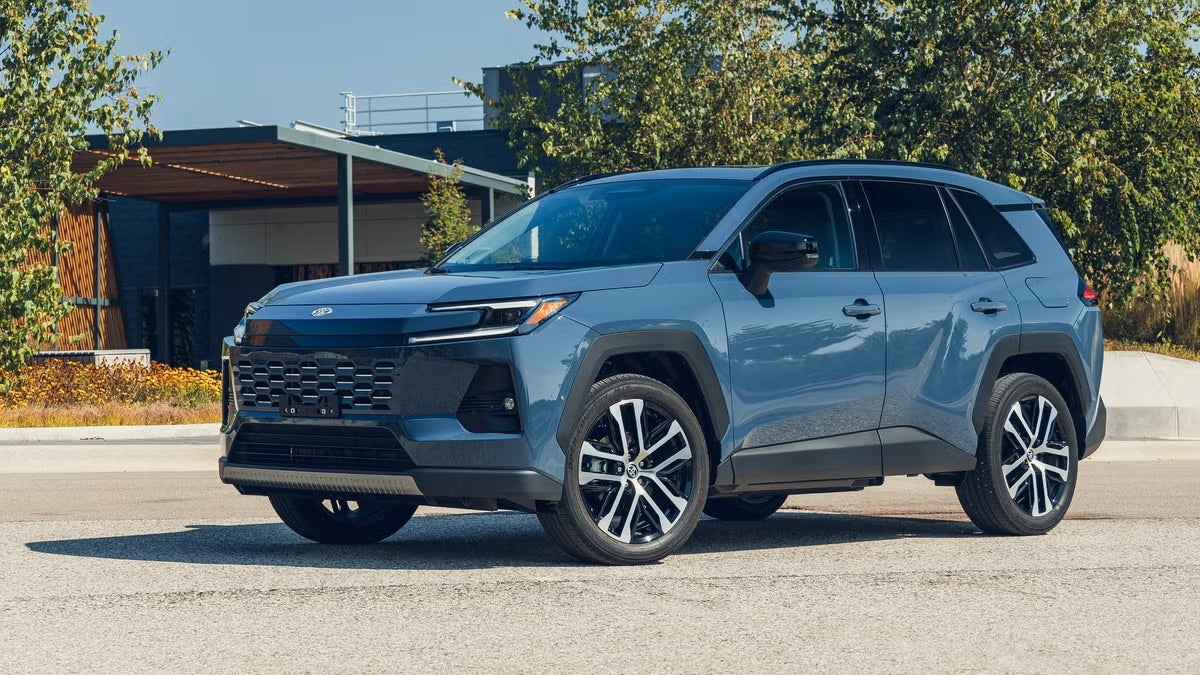
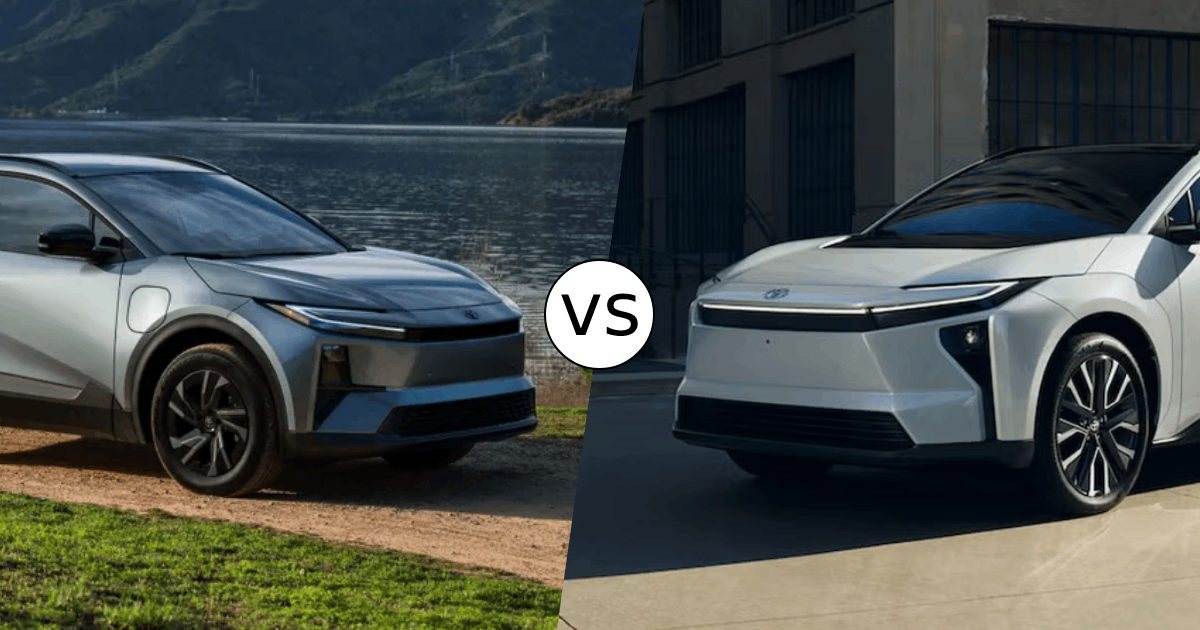
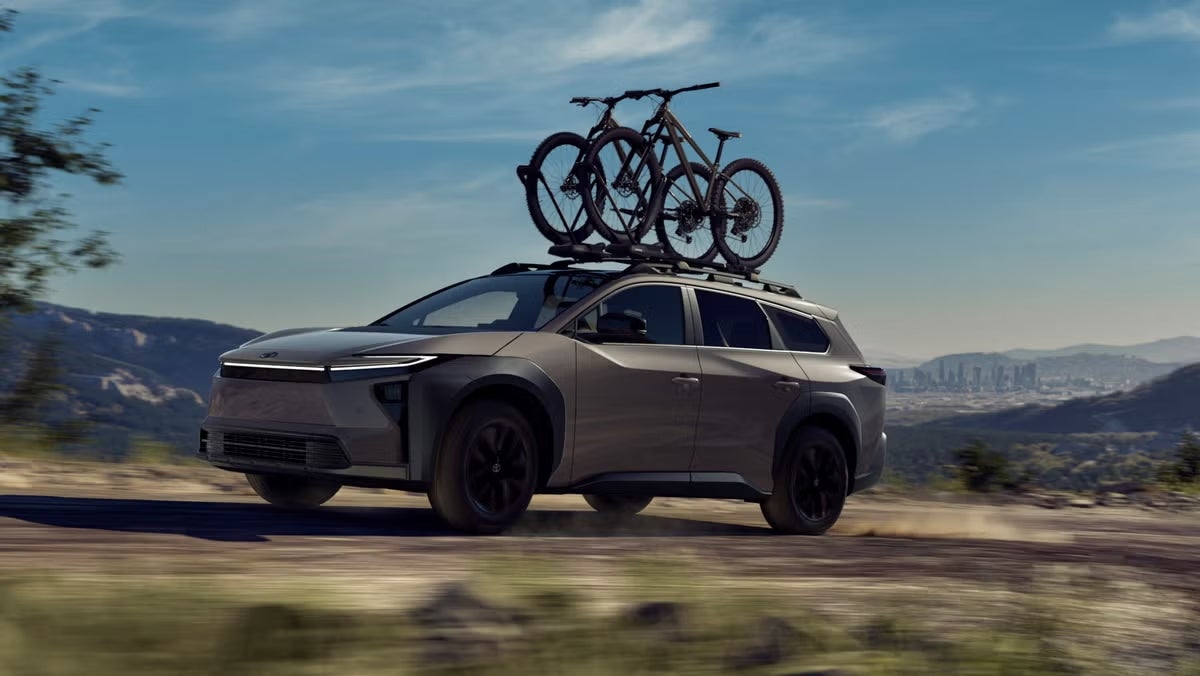
Toyota's electric SUV lineup has expanded significantly for 2026. The old bZ4X now boasts significant upgrades and a name change to the Toyota bZ. It packs in more power, a stronger battery, and better charging options. There's also a fresh face: the bZ Woodland. This version is an adventure-focused variant that increases the platform's capabilities.  It's got all-wheel drive, rugged styling, higher ground clearance, and extra storage space that outdoor fans will appreciate. While both SUVs share Toyota's commitment to electric mobility, they're made for totally different drivers. Let's get into what sets them apart and help you figure out which one aligns with your needs. more Performance and Power Differences The 2026 Toyota bZ offers several powertrain options. The base XLE with front-wheel drive gets a single motor making 168 horsepower. This is fine for relaxed city driving. Move up to the Limited with front-wheel drive, and you get 221 horsepower. Do you want even more power? The all-wheel-drive version uses dual motors for 338 horsepower. That's a huge jump from the previous generation. The 2026 Toyota bZ Woodland keeps things simple. It comes standard with a dual-motor all-wheel-drive (AWD) system, producing 375 horsepower. That makes it the more powerful option right out of the gate. This setup supports its adventurous personality with plenty of power for highways and rough terrain. More power means quicker acceleration. The 338-horsepower all-wheel-drive bZ hits 0 to 60 mph in about 4.8 seconds, which is quick for a family SUV. The front-wheel drive (FWD) models don't have the same punch but still perform reliably. The Woodland's extra horsepower means it pulls harder and handles rough terrain better. While the 0 to 60 numbers for the Woodland aren't out yet, you can expect it to feel quick. Added tech like X-MODE and Grip Control makes off-road driving less stressful by controlling traction and wheel slip at slow speeds. Range, Charging, and Battery Specifications You'll spot some differences in range across the bZ lineup, so choosing the right model depends on how you use your SUV. The standard bZ FWD XLE uses a 57.7-kWh battery that goes about 236 miles on a charge. Other trims get a 74.7-kWh pack that boosts the range to 299 miles for the Limited FWD. The bZ Woodland puts capability first, so its range sits at 260 miles for each full charge. That's still decent for everyday use and camping, even though it won't go as far as the most efficient standard bZ model. Its extra horsepower, higher ground clearance, and weight from off-road upgrades mean it uses a bit more juice. For 2026, Toyota switched to the new NACS charging port, so charging is faster and easier on both. This makes public fast charging a lot less stressful and means you can use Tesla's Supercharger network. Fast charging from 10% to 80% takes about 30 minutes. Plug in at home, and the 11 kW onboard charger means quicker overnight charges. There's also a preconditioning feature, making sure the battery stays healthy even in cold weather. Exterior Design and Off-Road Capabilities On the outside, the differences are obvious. The 2026 Toyota bZ has a refreshed exterior with a new front end and updated lighting. It looks cleaner and more polished. Toyota ditched the awkward black plastic cladding from the old bZ4X and replaced it with body-colored panels. The result feels more premium and put-together. The Woodland grabs your attention right away. It's nearly six inches longer, has bold black fender flares, roof rails, and 18-inch alloy wheels, which you can get with all-terrain tires. All these upgrades give the Woodland more attitude and make it better for loading up outdoor gear or heading down a dirt road. If you just need to deal with rain or the occasional construction zone, the regular bZ AWD will do just fine. But for those who like to explore, the Woodland's 8.3 inches of ground clearance will help you cross rough patches and puddles effortlessly. All Woodlands use X-MODE AWD, which tweaks power and braking for loose ground and steep hills. The Woodland also steps up with a 3,500-pound tow rating, plenty for a small trailer or extra toys for a weekend trip to Big Bear Lake. Standard Features: What Sets Them Apart Toyota doesn't cut corners on tech and safety. Both SUVs have a 14-inch touchscreen that lets you use Apple CarPlay or Android Auto without plugging in. There are two wireless charging pads and USB-C ports all throughout the cabin. The new climate controls are simple dials and buttons. Toyota Safety Sense 3.0 is included, so each car has adaptive cruise, emergency braking, lane-keeping support, blind-spot alerts, and sign recognition. The regular bZ adds luxury with every trim jump, moving from synthetic or cloth seats to premium materials. The Limited makes the cabin feel even more upscale with ambient lighting, a moonroof, and power seat memory. Color choices are basic, mostly black or gray. The bZ Woodland starts higher, so you get SofTex seats that are easy to clean, heating on the front seats, and cool Stone Brown accent colors. Premium audio, a digital rearview, and a panoramic roof are available with the upgrade package. There's no front trunk, so cargo is all in the back. Cargo Space and Interior Room Space matters, whether you're running errands, carrying kids, or packing for a road trip. The standard bZ has 42.1 inches of front legroom and just over 35.3 inches in the rear. The flat floor is a win when squeezing in a third person in the back. With seats upright, you get 27.7 cubic feet behind the second row, which stretches to nearly 56.9 cubic feet with the rear seats folded down. The bZ Woodland has a bigger frame that delivers major benefits. With the longer body, cargo space in back stretches past 30 cubic feet with the seats up. The flat floor makes loading easy and roof rails mean you can easily haul bikes or skis. Test Drive a New Toyota BZ at Longo Toyota Still not sure which bZ works for you? Contact us to schedule a test drive at Longo Toyota in El Monte, California. Our team can show you both models, answer all your questions, and arrange for financing. You'll get the best feel for what's right for your day-to-day routine when you test drive them both.

pexels-photo-9216590

Most Fuel-Efficient Toyotas Ranked: 2025 Guide

With gas prices continuing to rise across Southern California, it's important to consider fuel efficiency when buying a new car. With its impressive range of hybrid options, from the highly efficient Prius to trucks and SUVs, Toyota stands out as offering great mileage without sacrificing reliability. In this guide, we rank all the 2025 Toyota models so you can find the ideal balance between saving money and getting the performance you actually need. more Complete 2025 Toyota Fuel Efficiency Rankings With its hybrid technology, Toyota's 2025 lineup offers opportunities for significant savings on gas. The front-wheel-drive (FWD) Prius LE stands out with 57 mpg combined, while the all-wheel-drive (AWD) version still manages to reach 54 mpg combined. Toyota's sedans also offer excellent efficiency. The Camry Hybrid LE reaches 51 mpg combined, while the Corolla Hybrid LE and XLE both get 50 mpg combined. In the middle of the pack are the Crown XLE, Limited, and Nightshade, all at 41 mpg combined, and the RAV4 Hybrid at 40 mpg combined. If you're looking for a family SUV, the FWD Grand Highlander Hybrid XLE manages 36 mpg combined, and the Highlander Hybrid hits 35 mpg combined. Across the lineup, hybrid versions beat their gas counterparts significantly. For example, the RAV4 Hybrid and the Highlander Hybrid both beat their non-hybrid counterparts by 10 mpg. Toyota Prius: The Fuel Economy Champion When it comes to fuel economy, the Prius dominates the competition. With its 16-inch wheels, the FWD LE trim hits an EPA rating of 57 mpg combined (57 mpg city/56 mpg highway). Due to their bigger 18-inch wheels, which weigh more and need extra energy to spin, the FWD XLE and Limited models drop to 52 mpg combined. Starting at approximately $28,350, the standard Prius produces 194 (FWD) or 196 (AWD) horsepower from its 2.0-liter four-cylinder hybrid setup. The Prius PHEV starts at $33,375, delivers 220 total horsepower, and offers 44 miles of electric-only driving. When fully charged, it scores 127 MPGe. Running as a hybrid, it gets 52 mpg combined and goes from 0 to 60 mph in 7.1 seconds. Toyota also offers AWD options for California's diverse roads. The LE AWD model gets 54 mpg combined (53 mpg city/54 mpg highway), which is excellent for AWD. This new generation overcomes the Prius' reputation for being slow or boring while maintaining great fuel efficiency. Most Fuel-Efficient Toyota Sedans For 2025, Toyota's flagship sedan, the Camry, is now hybrid-only. The Camry Hybrid LE starts at $28,700 and gets 51 mpg combined (53 mpg city/50 mpg highway). If you're looking for something sportier, the SE, XLE, and XSE versions offer more aggressive styling and driving feel while getting 47 mpg combined (48 mpg city/47 mpg highway). The new Camry hybrid system pumps out 225 (FWD) or 232 (AWD) horsepower, proving hybrid technology can be both efficient and fun. If you're watching your budget, consider the Corolla Hybrid LE or XLE. Starting at just $23,825, it gets 50 mpg combined (53 mpg city/46 mpg highway) and produces 138 horsepower. It gives you slightly less space than the Camry, offering 13.1 cubic feet for luggage versus the Camry's 15.1 and 34.8 inches of rear legroom versus the Camry's 38. However, both cars benefit from that instant hybrid torque that makes city driving effortless. Most Fuel-Efficient Toyota SUVs and Crossovers The most fuel-efficient Toyota SUV is the RAV4 Hybrid, which gets 40 mpg combined (41 mpg city/38 mpg highway) across standard trims. With its off-road tires and wheels, the outdoorsy RAV4 Hybrid Woodland Edition drops slightly to 37 mpg combined (38 mpg city/35 mpg highway), but that's still much better than the regular FWD RAV4 LE's 30 mpg combined. If you have a big family, the three-row Highlander Hybrid XLE and Limited both hit 35 mpg combined while seating eight people comfortably. The roomier FWD Grand Highlander Hybrid XLE actually does slightly better at 36 mpg combined (37 mpg city/34 mpg highway), while the AWD version manages 34 mpg combined (36 mpg city/32 mpg highway). Compared to the gas-only Highlander LE FWD's 25 mpg combined, these hybrid SUVs give you improved fuel economy by around 10 mpg. Many Toyota hybrid SUVs come with standard AWD, making them perfect for tackling California's diverse landscapes without compromising on fuel economy. If your family is constantly driving between city errands and weekend adventures in the mountains or beaches, a Toyota hybrid SUV could be the perfect option. Most Fuel-Efficient Toyota Trucks Toyota's also putting hybrid technology in its biggest vehicles, with impressive results. The standard 2025 Toyota Tundra Hybrid hits 20 mpg city and 24 mpg highway, while the AWD version reaches 19 mpg city and 23 mpg highway. Its twin-turbo 3.4-liter V-6 hybrid engine makes 437 horsepower and a massive 583 lb-ft of torque. The 2025 Sequoia Hybrid uses that same 3.4-liter V-6 hybrid setup producing 437 horsepower and 538 lb-ft of torque. It scores 22 mpg combined (21 mpg city/24 mpg highway) in standard rear-wheel-drive form and 20 mpg combined (19 mpg city/22 mpg highway) in four-wheel drive. That beats the older V-8 engines, while giving you the power needed for heavy-duty hauling. If you need a smaller truck, the 2025 Toyota Tacoma SR5 leads the pack at 23 mpg combined (21 mpg city/26 mpg highway). Most Tacoma models land between 20 and 23 mpg combined depending on how they're equipped. Toyota's trucks focus on boosting torque for real work while cutting fuel costs, making them perfect for contractors and weekend warriors across Southern California. How Toyota Hybrid Technology Achieves Superior Fuel Economy Toyota's Hybrid Synergy Drive system uses a power split device to balance power between the gas engine and electric motor for optimal efficiency. The gas engine works with the electric motor for better mpg, with electric power providing instant acceleration. The system switches between three modes: electric only (for silent low-speed driving), gas only (for steady highway cruising), and combined power (for driving on hills or passing). The system adjusts in real-time, letting smaller engines match bigger ones while using less gas. When you brake, it captures the energy usually wasted as heat and converts it to electricity for the battery. Moreover, the electric motor reduces stress on the gas engine and brake components. Regular Toyota hybrids charge themselves, no plugging in needed, while plug-in models such as the Prius PHEV offer 25 to over 40 miles of electric-only driving. Find Your Perfect Fuel-Efficient Toyota Today in El Monte, California From the Prius LE's 57 mpg to the RAV4 Hybrid's 40 mpg, Toyota offers fuel-saving options across every category. Whether you want maximum efficiency (Prius), sedan comfort (Camry), SUV space (RAV4/Highlander), or truck capability (Tundra), there's a hybrid Toyota for your needs. These hybrids deliver lower maintenance costs with batteries often backed by 10-year or 150,000-mile warranties. Contact us at Longo Toyota to schedule a test-drive and let our team match you with the perfect fuel-efficient Toyota for your budget and lifestyle. Person Putting Gasoline on a Vehicle by Erik Mclean is licensed with Pexels License

Progress Brewing – South El Monte

The Best Breweries in Alhambra, California

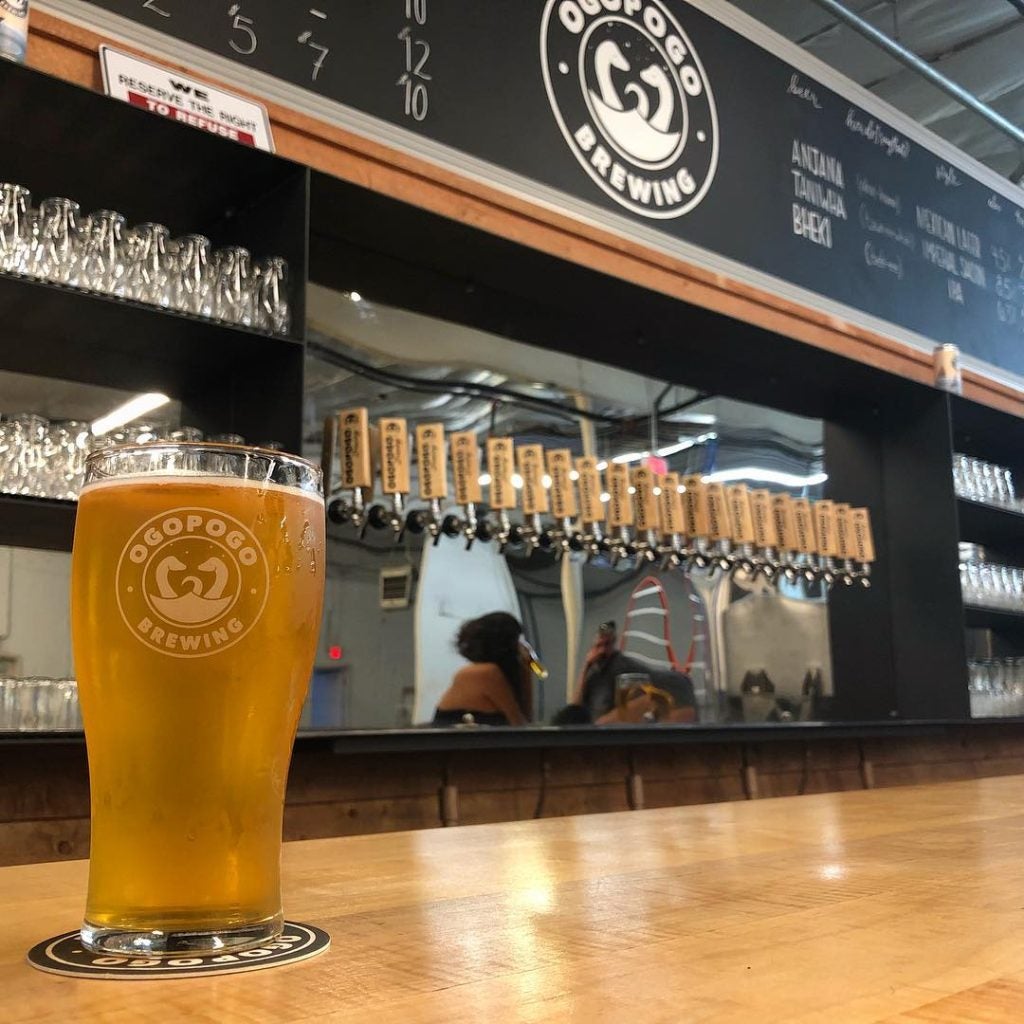
Alhambra may be known for its fantastic food scene, vibrant culture, and neighborly charm, but one thing the locals know well is that the brewery scene around here is seriously underrated. Whether you're craving a crisp lager, a bold IPA, or an adventurous fruited sour, the Alhambra area has plenty of breweries serving up unforgettable flavors within a quick 30-minute drive. With fun atmospheres, creative brews, and a mix of longtime favorites and rising stars, there’s no shortage of great spots to grab a pint. Today, we’re highlighting some of the best breweries near Alhambra. Each offers something unique, delicious, and perfectly crafted for beer lovers of all tastes. more Ohana Brewing Company – Alhambra You don’t have to go far for great beer. Ohana Brewing Company, right here in Alhambra, has become a local staple for good reason. Known for its small-batch, handcrafted beers, Ohana brings creativity and character to every pour. Its Spa Water Saison is a standout: light, refreshing, and infused with cucumber and lemongrass, making it perfect for warm California days. Another favorite is Tiki on the Beach, a blonde ale offering a tropical aroma and balanced bitterness that appeals to craft beer fans and newcomers alike. The tasting room is cozy and relaxed, making it a great spot for catching up with friends or unwinding after work. With rotating taps and new experimental brews appearing regularly, Ohana keeps things fresh, fun, and delicious. Progress Brewing – South El Monte Just a short drive from Alhambra, Progress Brewing in South El Monte offers a bold and innovative lineup of beers that push creative boundaries while staying rooted in great craftsmanship. This brewery has a loyal following, and once you try its beers, you’ll see why. One of its most popular pours is the Galileo, an American IPA bursting with tropical green mango flavor and notes of pine. If you prefer darker beers, its Fat Henry stout delivers rich cocoa and caramel notes without being overly heavy. The taproom has an industrial-chic feel with plenty of space to sip, chat, and relax. It’s the perfect place for beer drinkers who love variety and aren’t afraid to explore new flavor combinations. Alosta Brewing Co. – Covina Alosta Brewing Co.’s West Covina taproom is within easy reach of Alhambra and offers a welcoming, community-focused environment with a fantastic selection of beers. Its Spadra IPA is a fan favorite; it’s hoppy, bright, and packed with tropical notes that’ll keep you coming back for another sip. Alosta is also known for fun specialty releases such as Dig Tussy, a vanilla cream ale that adds something sweet and unexpected to the mix. The tasting room frequently hosts events, from trivia nights to live music, making it a lively option for evenings out. Whether you’re a craft beer beginner or a seasoned enthusiast, Alosta Brewing Co. delivers quality and charm in every glass. Highland Park Brewery – Los Angeles Located just under 20 minutes from Alhambra, Highland Park Brewery is one of Los Angeles’s most celebrated craft beer spots. Known for clean, perfectly balanced beers and laid-back vibes, it has become a go-to destination for beer lovers across the region. If you’re trying just one beer, make it Timbo Pils, an award-winning hoppy pilsner that manages to be crisp, refreshing, and loaded with flavor all at once. For IPA fans, the Hello, LA American IPA offers bright tropical notes and a pillowy mouthfeel that makes it incredibly drinkable. The airy indoor-outdoor space and delicious food menu make Highland Park Brewery the perfect spot for weekend hangouts or relaxed afternoons. It’s the kind of place that feels cool without trying too hard. Ogopogo Brewing – San Gabriel If you’re searching for something whimsical and imaginative, Ogopogo Brewing in San Gabriel is a must-visit. This brewery blends high-quality brewing techniques with mythical creature-themed branding, making every beer feel like a little adventure. Its Bheki West Coast IPA is a standout; it’s bright, crisp, piney, and refreshing. Meanwhile, the Boeman Belgian White offers a unique twist with coriander and orange peel that’s incredibly refreshing on hot Southern California days. The tasting room is family-friendly, full of personality, and known for its welcoming vibe. With constantly rotating taps, Ogopogo is perfect for anyone who loves trying something new each visit. Paperback Brewing Co. – Glendale If you’re up for a short 25-30 minute drive, Paperback Brewing Co. in Glendale is a fantastic destination that’s absolutely worth the trip. This brewery has built a reputation for quirky branding, a huge outdoor patio, and standout beers crafted with precision. Its Bunny With A Chainsaw IPA is one of the most popular beers in the region; its fruity, bold, and surprisingly smooth for a double hazy IPA. Paperback also offers a stellar lager lineup, including the Beer of Champions, which is crisp, clean, and drinkable any time of day. With food trucks, trivia nights, and plenty of seating, Paperback is the kind of place you’ll want to visit again and again. Great Beer Is Just Around the Corner Alhambra and its surrounding communities are filled with incredible breweries, each offering unique flavors and memorable experiences. From local staples such as Ohana Brewing to bigger Los Angeles favorites such as Highland Park Brewery, you're never more than 30 minutes from an amazing pint. While you're out discovering the best breweries near Alhambra, don’t forget that Longo Toyota is nearby to make every beer-tasting adventure smoother, safer, and more enjoyable. With great beer and a vibrant community, there’s never been a better time to explore your local brewery scene.

2025 Toyota Tundra vs. GMC Sierra

2025 Toyota Tundra vs. GMC Sierra

Shopping for full-size pickup trucks puts you face-to-face with some major players. The 2025 Toyota Tundra and GMC Sierra 1500 sit at opposite ends of the truck-building spectrum. Toyota brings its modern hybrid know-how, while GMC sticks with V-8 muscle and engine variety. In this car specifications comparison, we'll break down everything from towing strength to gas mileage so you can decide which truck suits your lifestyle and budget. more Key Differences at a Glance These trucks are both popular in the full-size pickup category, making them an ideal starting point to compare trucks before buying. Money-wise, the Sierra 1500 wins the first round with a starting price of $39,145, while the Tundra asks for $40,090 to get you in the driver's seat. Power is a priority in this class, and here the Sierra pulls slightly ahead. It can tow up to 13,300 pounds versus the Tundra's 12,000 pounds. This difference highlights the drivers each truck targets: the Sierra appeals to those who need serious pulling power and want engine choices, including diesel, while the Tundra speaks to drivers who want hybrid technology and solid performance without paying extra. Engine Performance and Powertrain Comparison Toyota keeps it simple with the Tundra. You get two versions of the i-FORCE Twin-Turbo V-6. The regular setup delivers either 358 horsepower and 406 lb-ft of torque (base version) or 389 horsepower and 479 lb-ft of torque (upgraded). The i-FORCE MAX hybrid, which pairs the 3.4-liter twin-turbo V-6 with a 1.87 kWh nickel-metal hydride battery and electric motor, delivers 473 horsepower and 583 lb-ft of torque, which can easily get you up to speed on I-605. GMC offers more options with four engine choices. The 2.7-liter TurboMax I-4 delivers 310 horsepower and 430 lb-ft of torque, enabling towing of 9,500 pounds and hauling 2,260 pounds. You can upgrade to the 5.3-liter EcoTec3 V-8 for 355 horsepower and 383 lb-ft of torque, with 11,300 pounds of towing and 2,180 pounds of payload ability. The powerful 6.2-liter EcoTec3 V-8 delivers 420 horsepower and 460 lb-ft of torque, with 13,200 pounds of towing capacity and 1,980 pounds of payload. For diesel fans, the 3.0-liter Duramax turbo-diesel I-6 delivers 305 horsepower and 495 lb-ft of torque, with 13,300 pounds of towing capacity and 1,970 pounds of payload. In the top trims, the Sierra Denali V-8 provides 420 horsepower and 495 lb-ft of torque, while the Tundra Platinum V-6 has 389 horsepower and 479 lb-ft of torque. Add the hybrid i-FORCE MAX system, and the Tundra jumps to 437 horsepower with 583 lb-ft of torque, outperforming all Sierra engines in torque output. Towing and Payload Capabilities If hauling large loads tops your list, the GMC Sierra 1500 has an edge. It can tow between 13,200 and 13,300 pounds based on how you set it up. The Tundra achieves 12,000 pounds with regular power or 11,450 pounds with the hybrid system, which can easily haul your camper and gear to Sycamore Lake. That gives the Sierra about 1,000 pounds more pulling muscle. In the bed, the Sierra can handle up to 2,441 pounds, while the Tundra can handle up to 1,940 pounds. Fuel Economy and Efficiency Fuel efficiency is where the Tundra really shines, especially with its hybrid technology. The i-FORCE MAX hybrid in rear-wheel drive gets 20 mpg in the city and 24 mpg on the highway. Four-wheel-drive versions manage 19 mpg in the city and 22 mpg on the highway. Even nonhybrid Tundra rear-wheel-drive models manage 18 mpg in the city and 23 mpg on the highway. Overall, the 2025 Tundra averages 17 mpg in the city and 24 mpg on the highway, beating the GMC Sierra, which gets 15 mpg in the city and 19 mpg on the highway. The Sierra's best fuel numbers come from its 3.0-liter Duramax diesel engine: 23 mpg in the city and 29 mpg on the highway in two-wheel drive, or 23 mpg in the city and 27 mpg on the highway with four-wheel drive. The gas engines aren't as thrifty: the 2.7-liter turbo gets 18 mpg in the city and 22 mpg on the highway, the 5.3-liter V-8 manages 16 mpg in the city and 21 mpg on the highway, and the 6.2-liter V-8 is less efficient at 15 mpg in the city and 19 mpg on the highway. When you're dealing with LA traffic, the Tundra's hybrid shines in stop-and-go driving. Interior Design and Technology Features Both trucks offer ample space but take different approaches. The Tundra offers two cab styles, Double Cab and CrewMax, both seating up to five people, with a choice of bed lengths, including options that provide nearly 78 cubic feet of cargo room and beds up to 8 feet long. Inside, the front seats offer ample space, with 41 inches of headroom and legroom. The Sierra offers three cab styles: Regular Cab, Double Cab, and Crew Cab, seating up to six people. The Sierra Crew Cab is slightly smaller than the Tundra, with about 63 cubic feet of bed space and a wide range of bed lengths to suit your needs. Technology features make or break modern trucks. The Tundra has a large 14-inch touch screen with a 12.3-inch digital gauge cluster. You get wireless Apple CarPlay and Android Auto, plus optional JBL sound. A 10-inch head-up display and 10-way power seats add comfort. The Sierra counters with a 13.4-inch screen with Google built in, a 12.3-inch driver display, a larger 15-inch head-up display, and 16-way power seats. Bose audio is optional, and the Denali Ultimate model goes all out with 40 inches of combined digital screens. Safety gives the Tundra an edge. The 2025 Tundra Crew Cab earned the Insurance Institute for Highway Safety Top Safety Pick+ award and five stars from the National Highway Traffic Safety Administration. Every Tundra includes Toyota Safety Sense 2.5, which adds automatic braking, road sign detection, auto high beams, lane departure warning, and adaptive cruise control. Which Truck Delivers the Best Value for Your Needs? Your truck choice boils down to what matters most to you, and the 2025 Tundra makes a strong case. Its base engine outmuscles the Sierra's starter motor and main V-8 engine. If you want serious power, the Tundra is a smart choice. Despite costing slightly more upfront, its top safety ratings, stronger reliability scores, fuel efficiency, and cheaper long-term costs help you save money over time. Contact us at Longo Toyota in El Monte, California, to test-drive the 2025 Tundra and discover why more truck buyers are making the switch.

If you’ve got a soft spot for leafy things, dreamy succulents, or sculptural fiddle-leaf figs, then Arcadia is a pretty great place to call home.

Best Plant Shops near Arcadia, CA

If you’ve got a soft spot for leafy things, dreamy succulents, or sculptural fiddle-leaf figs, then Arcadia is a pretty great place to call home. Surrounded by the San Gabriel Valley’s lush microclimates and just a short hop from Los Angeles’ horticultural hotspots, plant lovers here are spoiled for choice. In this post, I’ll walk you through some of the best public plant shops and nurseries within a 30-minute drive of Arcadia—perfect for your next plant run or green inspiration outing. Ready to unearth your next favorite nursery? Let’s dig in. more Grow A Leaf Shop (Arcadia, CA) Right here in Arcadia, Grow A Leaf Shop is a cozy gem for local plant fans. Located at 400 S Baldwin Ave, it offers a curated mix of indoor and outdoor plants, plus gardening supplies for hobbyists and serious growers alike. Their inventory is smaller than a sprawling nursery, but that’s part of the charm: everything feels hand-picked, and staff are often around to help you figure out which plant fits your space and light conditions best. If you want to make a quick local stop for a new pothos, a small fern, or even soil and pots, this shop is a solid place to start. San Gabriel Nursery & Florist (San Gabriel, CA) One of the most storied names in the area, San Gabriel Nursery & Florist has been family-run since 1923 and is widely appreciated for its extensive plant selection and rare finds. ( San Gabriel Nursery & Florist) Their two-acre retail nursery sells everything from orchids and bonsai to shrubs, succulents, and decorative containers. Their staff know their plants well and often help customers track down hard-to-find varieties. It’s a top pick when you want more than the basics—think specimen plants, specialty foliage, or inspiration for a garden project. ( Yelp) Champa Nursery (El Monte / SGV area) Tucked within the San Gabriel Valley’s bustling nursery scene, Champa Nursery is another favorite among local gardeners. It regularly appears on “best nurseries near Arcadia” lists. ( Yelp) Although it skews more toward outdoor and landscape plants, you’ll also find ornamentals and houseplants suited to our climate. Locals say the plant quality is good and the pricing reasonable, making it a solid mid-drive option if you want more variety and volume than your average corner shop. ( Yelp) Garden View Nursery (Irwindale, CA) If you venture east a bit, Garden View Nursery in Irwindale is a strong contender, especially for those interested in water-wise gardening. ( Garden View Landscape, Nursery and Pools) They label plants by water need, which helps you pick the right species for Southern California’s climate. Their catalog includes trees, succulents, hedges, and shrubs; there’s an emphasis on durable, climate-appropriate selections. It’s the kind of spot where you can plan a whole backyard refresh and have enough plant variety to mix and match. ( Garden View Landscape, Nursery and Pools) Maisie Orchid Nurseries (Temple City, CA) For orchid lovers and delicate-flower fans, Maisie Orchid Nurseries in Temple City is a treasure. ( wap.yp.com) Their name gives it away—they specialize in orchids—but you’ll also find premium potted plants, tropicals, and specialty containers. The attention to humidity, plant care, and display makes this a destination when you want something delicate or decorative, not just the usual fare. If you’re looking to add a statement plant or a flowering beauty to your indoor collection, Maisie is a great choice within reach. Armstrong Garden Centers (Monrovia, CA) If your plant mission is bigger—say, full landscaping or hardscape plus softscape— Armstrong Garden Centers in Monrovia is worth the drive. ( Armstrong Garden Centers) With decades of horticultural experience, Armstrong offers a broad selection of large shrubs, patio plants, fountains, landscaping services, and more. Even if you don’t purchase big items every time, visiting their facility can spark ideas for what works in our climate and how to scale your garden design. ( Armstrong Garden Centers) Honorable Mentions & Local Flavors Budget Plants often shows up atop “best nurseries near Arcadia” listings on Yelp—frequently praised for its plant selection and value. ( Yelp) Temple Garden Center is another local option for yard and garden stock. ( Yelp) Alexa’s Flowers (Arcadia) isn’t a full nursery, but they carry green plants, decorative pots, and offer same-day plant delivery locally. ( alexasflowers.net) Wrap-Up: Branch Out to These Plant Shops Near Arcadia Whether you’re browsing succulents at Grow A Leaf, hunting rare foliage at San Gabriel Nursery, or planning a landscape overhaul via Armstrong, the plant shops around Arcadia deliver a wide spectrum of choices. Each spot offers something unique—whether it’s specialized orchids, drought-tolerant selections, or sheer volume—and together they make a vibrant local green network. So grab your watering can, lace up those shoes, and get ready for a plant-shop hop. And when you need wheels that match your growing lifestyle (or just a reliable ride to haul your new saplings), don’t forget Longo Toyota —where great vehicles meet your green-thumb ambitions. Happy planting! 🌿

Shopping for a compact sedan can feel overwhelming. The 2025 Toyota Corolla and 2025 Nissan Sentra are two of the most popular picks if you want reliable, efficient, and affordable transportation. Our team at Longo Toyota breaks down everything from pricing to performance to help you figure out which one best fits your life. Pricing and Value Comparison The 2025 Nissan Sentra starts off strong with a $21,590 starting price compared to the Toyota Corolla's $22,325 base price, but Toyota gives you more variety across its lineup. The LE trim comes with an 8-inch touch screen plus Toyota Safety Sense 3.0. If you crave a sportier feel, the SE ($24,615) has available 18-inch alloy wheels and a sport mesh grille. The top XSE trim ($27,890) adds heated sport seats and an available moonroof, nice touches for El Monte mornings. Toyota's hybrid options for the Corolla really shine. The Hybrid LE ($23,625) delivers an incredible 53 mpg city and 46 mpg highway, while the Hybrid XLE ($27,990) boasts a bigger 10.5-inch touch screen and wireless charging. Nissan counters with solid financing deals that can make the Sentra more tempting. It's offering 3.9% annual percentage rate (APR) financing for 24 and 36 months, and 4.9% APR for 60 months. College grads and military personnel get an extra $500 discount each. Both cars come with similar three-year/36,000-mile basic and five-year/60,000-mile powertrain warranties. Toyota edges ahead with ToyotaCare, giving you two years/25,000 miles of free maintenance, while Sentra maintenance coverage includes up to three oil changes for two years or 24,000 miles. Performance and Fuel Economy Showdown Both vehicles feature 2.0-liter four-cylinder engines, but the Corolla's has more punch with 169 hp and 151 lb-ft of torque compared to the Sentra's 149 hp and 146 lb-ft of torque. That 20-horsepower difference might not sound like much, but you'll feel it when merging onto the 210 freeway during rush hour. The 2025 Toyota Corolla hits 60 mph in about 8.2 seconds, which is respectable for getting around town. Both cars use continuously variable transmissions (CVTs), which some people love. The Corolla's Dynamic-Shift CVT and the Sentra's Xtronic CVT both aim for smooth operation and improved mileage. The Corolla excels in fuel economy, delivering 32 mpg in the city and 41 mpg on the highway for a combined 35 mpg, beating the Sentra's 30 mpg in the city and 40 mpg on the highway. Interior Space and Comfort Analysis The Sentra offers 96.1 cubic feet of passenger volume compared to the Corolla's 88.6 cubic feet, with the Sentra giving you 34.9 inches of rear legroom and 43.8 inches up front, while the Corolla offers 34.8 inches of rear legroom and 42 inches of front legroom. The Sentra also beats the Corolla in trunk space with 14.3 cubic feet vs. 13.1 cubic feet. Beyond passenger space, the Sentra offers Nissan's NASA-inspired Zero Gravity seats that make long drives more comfortable and less fatiguing by minimizing pressure points. The Sentra also includes heated front seats (on higher trims), available dual-zone automatic climate control, and standard 60/40-split folding rear seats for when you need to haul large items. Nissan Sentra vs. Toyota Corolla: Reliability and Long-Term Ownership Toyota ranks third in the mass market segment, according to J.D. Power, and the Corolla earned a model-level award in the 2025 J.D. Power Vehicle Dependability Study. Toyota has a much stronger track record for long-term reliability and resale value compared to Nissan. The Sentra, unfortunately, has some known issues. Common problems include CVT transmission troubles such as sudden power loss and shuddering, plus engine stalling, misfires, excessive oil consumption, and overheating. These reliability differences show up in resale values, with the Corolla holding its value better with an estimated 33% depreciation over five years compared to the Sentra's 35% depreciation rate. The Corolla sits at No. 3 among popular sedans with steady annual sales growth, while Sentra sales showed 16% growth in Q3 2025, although that growth is from a smaller starting point. Your choice really comes down to what matters most to you. If you want something that will last for years with minimal trouble and solid fuel economy, then the Toyota Corolla is probably your best bet. Your Perfect Compact Sedan Awaits at Longo Toyota We'd love to have you stop by our dealership and take the 2025 Corolla for a test-drive. See how it feels, check out the tech features, and let our team show you everything from the practical LE to the sporty XSE and the innovative hybrid models. We'll help you find exactly what works for your budget and driving needs here in El Monte and all around Southern California. 2025 Toyota Corolla vs. 2025 Nissan Sentra

2025 Toyota Corolla vs. 2025 Nissan Sentra

Shopping for a compact sedan can feel overwhelming. The 2025 Toyota Corolla and 2025 Nissan Sentra are two of the most popular picks if you want reliable, efficient, and affordable transportation. Our team at Longo Toyota breaks down everything from pricing to performance to help you figure out which one best fits your life. more Pricing and Value Comparison The 2025 Nissan Sentra starts off strong with a $21,590 starting price compared to the Toyota Corolla's $22,325 base price, but Toyota gives you more variety across its lineup. The LE trim comes with an 8-inch touch screen plus Toyota Safety Sense 3.0. If you crave a sportier feel, the SE ($24,615) has available 18-inch alloy wheels and a sport mesh grille. The top XSE trim ($27,890) adds heated sport seats and an available moonroof, nice touches for El Monte mornings. Toyota's hybrid options for the Corolla really shine. The Hybrid LE ($23,625) delivers an incredible 53 mpg city and 46 mpg highway, while the Hybrid XLE ($27,990) boasts a bigger 10.5-inch touch screen and wireless charging. Nissan counters with solid financing deals that can make the Sentra more tempting. It's offering 3.9% annual percentage rate (APR) financing for 24 and 36 months, and 4.9% APR for 60 months. College grads and military personnel get an extra $500 discount each. Both cars come with similar three-year/36,000-mile basic and five-year/60,000-mile powertrain warranties. Toyota edges ahead with ToyotaCare, giving you two years/25,000 miles of free maintenance, while Sentra maintenance coverage includes up to three oil changes for two years or 24,000 miles. Performance and Fuel Economy Showdown Both vehicles feature 2.0-liter four-cylinder engines, but the Corolla's has more punch with 169 hp and 151 lb-ft of torque compared to the Sentra's 149 hp and 146 lb-ft of torque. That 20-horsepower difference might not sound like much, but you'll feel it when merging onto the 210 freeway during rush hour. The 2025 Toyota Corolla hits 60 mph in about 8.2 seconds, which is respectable for getting around town. Both cars use continuously variable transmissions (CVTs), which some people love. The Corolla's Dynamic-Shift CVT and the Sentra's Xtronic CVT both aim for smooth operation and improved mileage. The Corolla excels in fuel economy, delivering 32 mpg in the city and 41 mpg on the highway for a combined 35 mpg, beating the Sentra's 30 mpg in the city and 40 mpg on the highway. Interior Space and Comfort Analysis The Sentra offers 96.1 cubic feet of passenger volume compared to the Corolla's 88.6 cubic feet, with the Sentra giving you 34.9 inches of rear legroom and 43.8 inches up front, while the Corolla offers 34.8 inches of rear legroom and 42 inches of front legroom. The Sentra also beats the Corolla in trunk space with 14.3 cubic feet vs. 13.1 cubic feet. Beyond passenger space, the Sentra offers Nissan's NASA-inspired Zero Gravity seats that make long drives more comfortable and less fatiguing by minimizing pressure points. The Sentra also includes heated front seats (on higher trims), available dual-zone automatic climate control, and standard 60/40-split folding rear seats for when you need to haul large items. Nissan Sentra vs. Toyota Corolla: Reliability and Long-Term Ownership Toyota ranks third in the mass market segment, according to J.D. Power, and the Corolla earned a model-level award in the 2025 J.D. Power Vehicle Dependability Study. Toyota has a much stronger track record for long-term reliability and resale value compared to Nissan. The Sentra, unfortunately, has some known issues. Common problems include CVT transmission troubles such as sudden power loss and shuddering, plus engine stalling, misfires, excessive oil consumption, and overheating. These reliability differences show up in resale values, with the Corolla holding its value better with an estimated 33% depreciation over five years compared to the Sentra's 35% depreciation rate. The Corolla sits at No. 3 among popular sedans with steady annual sales growth, while Sentra sales showed 16% growth in Q3 2025, although that growth is from a smaller starting point. Your choice really comes down to what matters most to you. If you want something that will last for years with minimal trouble and solid fuel economy, then the Toyota Corolla is probably your best bet. Your Perfect Compact Sedan Awaits at Longo Toyota We'd love to have you stop by our dealership and take the 2025 Corolla for a test-drive. See how it feels, check out the tech features, and let our team show you everything from the practical LE to the sporty XSE and the innovative hybrid models. We'll help you find exactly what works for your budget and driving needs here in El Monte and all around Southern California.

2026 Toyota C-HR

The 2026 Toyota C-HR: A Complete Electric Transformation

Toyota's electric comeback car is here, and it's not just a new version; it's a whole new vehicle. The 2026 Toyota C-HR has evolved into something entirely different from its gas-powered ancestor. This electric crossover packs impressive muscle, cutting-edge tech, and head-turning looks that might just change how you view Toyota's electric vehicles (EVs). So, should you be excited about the 2026 C-HR? Our team at Longo Toyota in El Monte, California, is here with a Toyota C-HR review to help you decide if it's the right car for you. more Performance and Powertrain The all-electric 2026 Toyota C-HR will be available in SE and XSE trims, both more powerful than their predecessors, with a 74.7 kWh battery pack and dual electric motors that produce 338 horsepower. The C-HR is expected to go from 0 to 60 mph in about 5 seconds, which is impressive for what used to be a fairly average family car. All-wheel drive comes standard thanks to motors at both ends, giving you instant acceleration and a top speed of 112 mph. The e-TNGA platform delivers better handling than older Toyota electric cars thanks to a stiffer body and an improved suspension setup. With batteries mounted in the floor, the car stays planted in corners, and you'll be able to adjust regenerative braking through four different settings using paddle shifters, letting you control how aggressively it slows when you lift off the gas. Range, Charging, and Efficiency Toyota says the new C-HR will go about 290 miles on a full charge, Although EPA MPGe estimates have not been released yet, most electric cars have better efficiency in city driving than highway cruising. If you're stuck in I-10 traffic, this means you'll do better in stop-and-go conditions than on open roads, which is a nice bonus if you're a daily commuter. For a quick charge, Toyota estimates that the C-HR will be able to go from 10% to 80% battery in about 30 minutes with DC fast charging, peaking at 150 kW. At home, the 11 kW onboard charger with Level 2 equipment will likely let you top up the battery overnight. It will have an NACS port that works with Tesla Superchargers, opening up access to over 12,000 charging stations across North America, and will also be charged from Level 1 power sources. The C-HR will also have a preconditioning function that warms up or cools down the battery before charging to get the best speeds, no matter the weather. Interior Design and Technology Inside, the base SE trim will have heated front seats, a heated steering wheel, a power liftgate, wireless phone charging pads, and a 14-inch touch screen for music and climate control. The digital dash sits high up with custom layouts, while wireless Apple CarPlay and Android Auto work with multiple USB-C ports and dual Bluetooth. There's also 25.4 cubic feet of cargo space, which allows the C-HR to compete with the Hyundai KONA and the Chevrolet Equinox EV. SE models feature SofTex synthetic leather, while the XSE adds synthetic suede. XSE models also include synthetic leather seats, a panoramic roof, a 360-degree camera, a digital rearview mirror, and 20-inch wheels. The JBL Premium Audio package includes nine speakers and an 800-watt amp. Pricing, Release Timeline, and Availability Toyota hasn't provided specific pricing or release date information yet, just saying it will arrive sometime in 2026. However, if the Toyota C-HR price falls within the expected $30K-$38K range, it will be an attractive proposition compared to other affordable EVs. At Longo Toyota, we can't wait to start offering the C-HR, but widespread preorder info isn't available yet as Toyota figures out production timing and which dealers will get how many cars. Unlike some EV makers that limit early sales to specific regions, Toyota will offer the 2026 C-HR nationwide from the start, following its typical approach for mainstream models. Your Next Electric Adventure Awaits The 2026 Toyota C-HR is making the leap from boring compact to zippy electric crossover, and it could be Toyota's big EV breakthrough. If you're an El Monte driver who wants the benefits of an electric car without sacrificing Toyota reliability, the C-HR might be worth waiting for. For more information on the new C-HR, visit us at Longo Toyota. Our experienced team can give you updates on when the C-HR will arrive at our dealership and discuss your financing or trade-in options. We understand EV technology and can help you find the right car for your California lifestyle.

Almansor Court – Alhambra

Stunning Wedding Venues Near El Monte, CA

Planning a wedding is one of life’s most exciting adventures, and one of the biggest decisions couples make is choosing the perfect venue. Luckily for those living in or near El Monte, CA, there’s no shortage of incredible options within a short 30-minute drive. From elegant ballrooms to lush gardens and historic estates, the area offers a variety of wedding venues that set the stage for unforgettable “I do” moments. Whether you dream of a grand celebration with hundreds of guests or an intimate gathering in a romantic outdoor space, you’ll find a venue nearby that perfectly suits your vision. more Almansor Court – Alhambra Nestled in the heart of Alhambra, Almansor Court is a well-loved wedding venue that combines elegance with versatility. Couples can choose from indoor ballrooms with sparkling chandeliers or outdoor ceremonies overlooking Alhambra Lake and the lush golf course. The on-site catering team makes planning a breeze, offering customizable menus to suit every palate. With its professional staff and flexible spaces, Almansor Court has been a favorite for local weddings for decades. The serene surroundings and timeless décor ensure your wedding photos will be nothing short of spectacular. Quiet Cannon – Montebello If you’re looking for a venue that feels spacious and green while still being close to El Monte, Quiet Cannon in Montebello is an excellent choice. This venue is located on a golf course, providing a scenic backdrop of rolling hills and open skies. With multiple banquet halls and outdoor ceremony spots, Quiet Cannon can host both intimate weddings and large-scale celebrations. Their event team offers packages that cover catering, décor, and coordination, making it easy for couples to enjoy their big day without stress. The combination of natural beauty and convenience makes it a go-to spot for many El Monte couples. Noor – Pasadena For couples dreaming of a glamorous and sophisticated celebration, Noor in Pasadena delivers. This award-winning venue offers two stunning ballrooms: the Art Nouveau-inspired Ella Ballroom and the modern Sofia Ballroom. Each space features dramatic lighting, luxurious finishes, and state-of-the-art sound systems. Noor’s courtyard is perfect for romantic outdoor ceremonies, and their culinary team provides gourmet menus that wow guests every time. Located in the heart of Pasadena, Noor offers both style and convenience, making it a top pick for couples who want a chic city wedding without sacrificing elegance. The Maxwell House – Pasadena If you love the charm of historic architecture, The Maxwell House is a hidden gem. Built in the 1920s, this landmark venue combines Mediterranean Revival style with a cozy, intimate feel. Its arched doorways, decorative tile work, and lush courtyard garden create a romantic backdrop for both ceremonies and receptions. The Maxwell House is also known for being affordable compared to larger venues, while still offering a unique and memorable setting. For couples who want a wedding with vintage character and timeless beauty, this venue is hard to beat. San Gabriel Hilton – San Gabriel For couples seeking a luxurious hotel wedding experience, the San Gabriel Hilton is a standout option. This modern venue features stunning ballrooms that can accommodate both small gatherings and grand celebrations of up to 800 guests. The hotel’s grand staircase and marble décor add a touch of sophistication, while their culinary team specializes in a wide range of cuisines, including elaborate Chinese banquets. With the convenience of on-site accommodations, it’s also a practical choice for couples hosting out-of-town guests. The San Gabriel Hilton blends elegance with ease, making it a favorite for many local couples. Wrap-Up Choosing the perfect wedding venue is all about finding a space that reflects your style, fits your guest list, and creates the backdrop for memories you’ll cherish forever. Luckily, for couples in El Monte, the area offers a wide variety of options—from historic estates to modern ballrooms and scenic golf course settings—all within a short drive. Each of these venues brings something special to the table, ensuring your big day is as unique as your love story. And while you’re planning the details of your dream wedding, don’t forget that Longo Toyota in El Monte is here to help you arrive in style, ready to start your next chapter.

2025 Toyota Tacoma vs Jeep Gladiator

2025 Toyota Tacoma vs Jeep Gladiator

The Toyota Tacoma and Jeep Gladiator stand out as top contenders in a fiercely competitive midsize truck segment. In 2024, the Toyota Tacoma got a complete redesign, marking the start of the fourth generation. It boasts improved on-road driving, updated technology, and impressive off-road capabilities. The 2025 Jeep Gladiator maintains its spot as the only pickup with Wrangler's off-road DNA. You can remove the doors and roof panels, plus it's built for extreme off-roading. This 2025 Toyota Tacoma vs. Jeep Gladiator comparison breaks down how these two stack up, so you can choose the right one for your automotive needs. more Pricing and Value Comparison The 2025 Toyota Tacoma base SR model has a starting MSRP of $31,590. In comparison, the Jeep Gladiator Sport trim has an entry price of $38,695. This price marks a staggering difference of over $7,000, making the Tacoma the more affordable. The Gladiator also has a diverse lineup, from the Rubicon and Mojave models to the Nighthawk and Sport trim levels. Jeep targets El Monte buyers seeking a truck with robust off-road capability. However, the high entry price reduces your bargaining power when negotiating for add-ons. The Tacoma's extensive lineup and lower price make it the better choice. Engine Performance and Powertrain Options Every 2025 Tacoma features a 2.4-liter turbocharged four-cylinder engine for enhanced efficiency and balanced performance. While the base truck delivers 228 horsepower, higher trims, such as the TRD Pro, pump up to 326 horsepower and 465 lb-ft of torque of torque. Its eight-speed automatic facilitates swift gear changes while the optional six-speed manual provides an engaging driving experience. The Tacoma's upgraded suspension provides smooth handling and control behind the wheel. For a truck, the Tacoma accelerates exceptionally, accelerating from 0 to 60 mph in just 7.0 seconds. The Jeep Gladiator features a 3.6-liter V-6 engine, producing 285 horsepower and 260 lb-ft of torque. For the 2025 lineup, the manual transmission is gone, leaving an eight-speed automatic as the sole option. While the Tacoma offers a smoother ride, the Gladiator drives like a classic Jeep with a bed. Toyota's engine delivers more low-end power for merging onto busy freeways in El Monte. For this reason, the Tacoma is the better choice for a truck, as it strikes a balance between daily driving comfort and off-road capability. Fuel Economy The Tacoma has an unassailable advantage in fuel economy. The two-wheel-drive Tacoma has an EPA-estimated 21 mpg in the city and 26 mpg on the highway. Additionally, four-wheel-drive models are close behind at 20 mpg city and 23 mpg highway. These numbers are great for a truck and will save you money at the pump. The Jeep Gladiator has an EPA-estimated rating of 17 mpg in the city and 22 mpg on the highway. Some models with bigger tires, like the Mojave, get as low as 15 mpg in real-world testing. When comparing these fuel-efficiency ratings, the Tacoma's better gas mileage supports longer drivers and adds up to significant savings. Towing and Payload Capabilities The Gladiator can tow up to 7,700 pounds with the Max Tow package, while the Tacoma's maximum towing capacity is 6,500 pounds. While the Gladiator might have an upper hand in towing capacity, it requires a specific configuration to hit these numbers. The popular Rubicon trim's towing capacity drops to 7,000 pounds, meaning the Tacoma is not far off. With a payload capacity of 1,705 pounds, the Tacoma makes it easy to haul all your gear and equipment in the bed. The Gladiator's max is 1,725 pounds on Sport trim, but Rubicon models drop to 1,200 pounds. Toyota offers a hybrid version that tows up to 6,000 pounds and carries loads of up to 1,709 pounds in the bed. The Tacoma's towing and payload capabilities remain consistent across all trims, making this truck ideal for all your hauling needs. Interior Space and Comfort The 2025 Tacoma's redesigned cabin features raised seating for better road visibility. Its ergonomic seats are adjustable and boast soft upholstery for enhanced in-car comfort. The front area offers 41.8 inches of space, while the back seat has 33.7 inches of legroom for enhanced comfort during long El Monte road trips. The Gladiator offers a roomy cabin, with 41.2 inches for the driver and more than 38 inches for back seat passengers. Its dash and controls are straight from the Wrangler playbook, meaning lots of hard plastics. Tacoma feels more refined for everyday commuting, while Gladiator leans rugged for those who love open-air driving. Truck Bed and Cargo Features The Gladiator features a five-foot bed as the only option on all models. Jeep argues that a shorter length improves ride and handling when hauling heavy loads. The Tacoma offers multiple bed configurations to suit your hauling needs. XtraCab models come with a six-foot bed only, while Double Cab crew-cab versions let you pick between a six-foot box or a shorter five-foot bed. That five-foot option makes parking easier in tight spots in downtown El Monte. The Tacoma bed includes intelligent, modern touches. It's slightly deeper than the Gladiator's, so you can fit camping refrigerators under a tonneau cover. Toyota borrowed the quick-release tailgate from the Tundra. You can remove the tailgate without tools when needed. There's an optional power tailgate that opens and closes automatically. A bed view camera helps when loading cargo or lining up a trailer hitch. Both trucks are built on a strong frame, but the Tacoma offers two rear suspension setups. Base models utilize traditional leaf springs, while other trims feature modern coil springs that significantly enhance ride quality. The Gladiator features a solid axle setup, which is ideal for extreme off-roading but less comfortable on paved roads. For drivers who spend most of their time on the road, the Tacoma's coil-spring models are the better choice. Test Drive the 2025 Toyota Tacoma at Longo Toyota While the Jeep Gladiator is an off-road legend, the 2025 Toyota Tacoma is the better all-around truck. It's more comfortable, efficient, and comes loaded with modern technology. It delivers a refined driving experience without compromising the toughness and capability you would expect from a pickup. The best way to see the difference is from behind the wheel. We invite you to visit Longo Toyota in El Monte to experience the new Tacoma. Contact us today to schedule your test drive.

2025 Toyota Camry vs. Honda Civic

2025 Toyota Camry vs. Honda Civic

While many drivers choose SUVs, sedans are still popular options for many El Monte, California, drivers, and the 2025 Toyota Camry and Honda Civic are savvy choices. Sedans are ideal for commuters using Interstate 10 into Los Angeles, taking a weekend getaway to Santa Monica, or heading out on a fun family adventure at Disneyland Park in Anaheim. How do you choose between the 2025 Toyota Camry and Honda Civic? While both these popular sedans have similarities, they also have slight differences. Use this guide created by Longo Toyota of El Monte, California, to choose between the Honda Civic and Toyota Camry based on the specs and features that fit your Southern California lifestyle. more 2025 Toyota Camry vs. Honda Civic: Which Sedan Wins the Battle? In this head-to-head battle of the Honda Civic vs. the Toyota Camry, we'll look at the key specifications that set them apart from each other, while highlighting some of the similarities that help make them two of the most beloved sedans on the market. Engine Performance and Powertrain Comparison Many people choose a vehicle based on its engine and performance capabilities, including the fuel economy ratings. 2025 Toyota Camry Engine Options Toyota offers the 2025 Camry in four trims, all of which have the same powertrain under the hood. A 2.5-liter four-cylinder engine combines with an electric motor to produce 232 horsepower with all-wheel drive and 225 horsepower with front-wheel drive. 2025 Honda Civic Engine Specifications One difference between the Camry and Civic is that the 2025 Honda Civic offers two powertrain options. You can get the Civic as a gas-only version or a hybrid. The gas-only models have a 2.0-liter naturally aspirated Atkinson inline four-cylinder engine that delivers 150 horsepower. Choose the hybrid, and you get the same four-cylinder engine mated to an electric motor to produce 181 horsepower. The Civic is available in front-wheel drive or all-wheel drive. Fuel Economy and Efficiency Analysis El Monte, California, area drivers appreciate the fuel economy of the 2025 Camry and Civic. The Camry's hybrid engine has an estimated 51 mpg combined, while the 2025 Civic's hybrid version achieves about 46 mpg combined. Choose the Civic gas-only models, and you get 39 mpg combined. Both sedans offer impressive fuel economy, making it easy to spend weekends in Temecula for wine tasting or in Santa Barbara for a fresh seafood dinner. Interior Design, Comfort, and Space In the Honda Civic vs. Toyota Camry specs showdown, we'll look at the interior of these two sedans. Cabin Layout and Material Quality With two rows of seats, up to five people can ride comfortably inside the Camry and Civic. Both sedans allow the driver and front-seat passenger easy access to the infotainment systems and display screens.  As you move up the trim levels of both these sedans, you'll appreciate the attractive features such as leather seats, heated front seats, and ambient lighting that enhances the mood of your driving experience. Technology Features and Infotainment Both Toyota and Honda excel at innovative technologies, including their infotainment systems. Inside the 2025 Camry, Toyota gives this sedan a standard 8.0-inch touchscreen, or you can choose the optional 12.3-inch version for improved clarity. The Honda Civic comes with a 7.0-inch touchscreen or an optional 9.0-inch version. Both sedans have Apple CarPlay and Android Auto smartphone integration with an available wireless option. Toyota and Honda do not skimp on driver-assistance features for the 2025 Camry and Civic. The Camry has a robust suite of features with its Toyota Safety Sense 3.0, which includes advanced features such as a pre-collision system with pedestrian detection, a lane mitigation system, and dynamic radar cruise control. You'll find similar driver-assist features in the 2025 Civic with the Honda Sensing technologies. Key features include a collision mitigation braking system, adaptive cruise control, and a driver attention monitor. Trim Levels and Pricing Structure Let's look at the Toyota Camry vs. Honda Civic trim levels and MSRP pricing. 2025 Toyota Camry Trim Breakdown Toyota offers the Camry in four trims: the LE, SE, XLE, and the top-tier XSE. Prices start at $28,700 for the entry-level LE and move up to $34,900 for the XSE. 2025 Honda Civic Trim Options The 2025 gas-only Civic comes in two trims: the LX starting at $24,250 and the Sport starting at $26,250. The Civic Hybrid also offers two trims: the Sport Hybrid starting at $28,950 and the Sport Touring Hybrid starting at $31,950. Value Analysis by Trim Level While the Toyota may have higher price points, you get a more powerful engine, better fuel economy, and a larger infotainment system. The Civic comes as a gas or hybrid, at a lower price point, and is a bit smaller than the Camry. Both Toyota and Honda vehicles are historically known for their dependability and capability, adding to their desirable resale value. In addition, they have similar warranties. They both come with a limited warranty of 3 years/36,000 miles and a powertrain warranty of 5 years/60,000 miles. The Camry has a hybrid component warranty of 10 years/150,000 miles, while the Civic's hybrid warranty coverage is only 8 years/100,000 miles. Final Verdict: Which Should You Choose? Deciding between the Civic and Camry is a personal choice. The Camry is only offered as a hybrid, while the Civic comes as a hybrid or gas-only version. However, the Camry gets better fuel economy, has more power, and comes with more standard technology features than the 2025 Honda Civic. The two sedans have similar starting prices, so your decision will be based on your preference. If you choose the 2025 Toyota Camry, we can help you find the right trim for your El Monte lifestyle, and our finance department will secure an auto loan or lease deal with terms you're comfortable with. Learn More About the 2025 Camry and 2025 Civic Are you excited about learning more about the 2025 Toyota Camry vs. the 2025 Honda Civic? Contact our team at Longo Toyota in El Monte, California, to take the 2025 Toyota Camry for a test drive to see how well it handles on the Los Angeles area freeways and city streets.

2026 Toyota Tundra

What's New With the 2026 Toyota Tundra

Toyota has made several improvements to the popular Tundra for 2026. Refinements include a larger standard gas tank on all trims, more luxurious interior materials, and enhanced features that help it compete better in the crowded truck market. Read as we share what you need to know to find the ideal trim for your daily driving needs in El Monte, California. more Key Changes at a Glance One of the most significant changes for 2026 is that every Tundra pickup now comes with a 32.2-gallon tank, replacing the smaller 22.5-gallon option from last year. This improvement ensures you can manage weekend trips around Southern California without constantly thinking about fueling up. A tow hitch and a 7/4 pin connector make for easier towing. Interior Comfort and Technology Upgrades Improvements in the cabin add to your comfort in ways you'll notice daily. Upgraded interior materials include Shale premium textured leather-trimmed seats on the Capstone and leather seats with contrast stitching on the Limited. These materials offer the luxurious feel you want when driving around El Monte. Standard technology includes an 8-inch screen, or you can opt for an available 14-inch touch screen that features sharper graphics. Both screens offer Bluetooth connectivity and wireless Apple CarPlay and Android Auto. Double cab models finally feature rear air vents, and all trims with basic climate control now include a SmartFlow management system. You can add a 12-speaker JBL sound system with a subwoofer and wireless phone charging. Performance and Capability Improvements Two basic engine options are available to meet your needs. The i-FORCE twin-turbo V-6 produces 389 hp and 479 lb-ft of torque. Base SR models get 358 hp and 406 lb-ft of torque. An additional i-FORCE MAX hybrid engine is available on several trims, generating 437 hp and 583 lb-ft of torque. These trucks accelerate well for merging onto I-10 E, with 0-to-60 mph times of around 6.1 seconds. If you regularly haul construction items, the 2026 Toyota Tundra offers a maximum towing capacity of 12,000 pounds and a payload up to 1,940 pounds. Rear-wheel-drive models average 18 mpg in the city and 23 mpg on the highway. The hybrid offers improved fuel economy, with 20 mpg in the city and 24 mpg on the highway. TRD Pro Package Enhancements The TRD Pro sees the most improvements for 2026. A new Wave Maker paint color is available only on this trim, which also offers ISO Dynamic seats that better absorb bumps for improved comfort when exploring off-road trails. Technology includes Multi-Terrain Select with five modes to control wheel spin, Crawl Control for low-speed off-road cruise control, allowing you to focus on the trail, and Downhill Assist Control for steep descents. An electronic locking rear differential provides additional traction, and a camera system shows front, side, and rear views. Practical Updates and Lifestyle Features All trims come with towing equipment, so you can bring your camper to Angeles National Forest for a weekend getaway. Power running boards are available on Platinum and 1794 TRD Off-Road models. The SX package now includes 20-inch wheels, an improvement over the previous 18-inch options. The Tundra's truck bed uses sheet-molded compound material with aluminum supports that won't dent or rust. You can choose between various bed lengths and two cabin sizes, depending on your needs. All trucks have power-release tailgates, but higher trims get power-close and knee-lift assist to make loading and unloading even easier. Safety and Driver-Assistance Features Every Tundra comes with Toyota Safety Sense 2.5, which includes adaptive cruise control, a precollision system with pedestrian detection, and lane departure alert with steering assist. You can add blind-spot monitoring, rear cross-traffic alerts, and front and rear parking sensors. Other features include automatic high beams for night driving and Road Sign Assist, which shows speed limits and other road signs on your dashboard display. All trims have a rear seat reminder that alerts you if someone opens a back door while the vehicle is running. Pricing and Value Pricing is reasonable for the 2026 Toyota Tundra, as shown below: SR: $41,260 SR5: $46,510 Limited: $54,860 Platinum: $63,695 1794 Edition: $64,380 TRD Pro: $72,565 Capstone: $80,800 The Limited, Platinum, and 1794 Edition trims are also available with the i-FORCE MAX engine, with prices ranging from $58,560 to $71,305. Most trims see increased pricing compared to 2025. You'll pay more for four-wheel drive, a CrewMax cab, and a hybrid engine. Pricing stays competitive with the Ford F-150 and Chevrolet Silverado, and you get Toyota reliability for your daily El Monte commute. Every Tundra offers solid warranty protection, including a three-year/36,000-mile limited warranty and a five-year/60,000-mile powertrain warranty. All models also include ToyotaCare, which covers regular maintenance for two years and 25,000 miles, as well as 24-hour roadside assistance for two years with unlimited mileage. Experience the 2026 Toyota Tundra at Longo Toyota The newest Tundra features a larger standard fuel tank, more luxurious interior materials, several engine options, and the latest safety systems. With Toyota's reliability record, you can find the ideal truck for your daily driving needs. Contact our team at Longo Toyota in El Monte to see the lineup, take one for test-drive, and explore financing options. We'll help match you with the ideal setup for your lifestyle.

2025 Toyota Tacoma i-Force MAX vs. Rivian R1T

2025 Toyota Tacoma i-Force MAX vs. Rivian R1T

Electric and hybrid vehicles are reshaping the pickup truck market, giving drivers more choices than ever. The 2025 Toyota Tacoma i-Force MAX and Rivian R1T are two such examples, the former being a hybrid and the latter an electric. While both trucks are excellent off-road and have excellent utility and innovation, their technologies and pricing cater to different buyers. This guide compares the 2025 Toyota Tacoma i-Force MAX vs. Rivian R1T to help you make an informed choice. more Powertrain Performance: Hybrid vs. Electric Technology The Toyota Tacoma i-Force MAX uses a hybrid powertrain that combines a turbocharged 2.4-liter inline-four engine with an electric motor to produce 326 horsepower and 465 lb-ft of torque. The powertrain combines smooth hybrid performance with the convenience and reliability of a gas engine. In contrast, Rivian's R1T comes with two, three, or four motors. The most powerful quad-motor electric drivetrain produces 1,025 horsepower and 1,198 lb-ft of torque, allowing for a 2.5-second 0-60 mph time. While the Rivian R1T dominates in raw acceleration because of its powerful electric motors, the Tacoma i-Force MAX offers smoother and more predictable hybrid performance with a balanced ride quality. The Tacoma delivers an enjoyable driving experience, especially on-road, while the R1T is best off-road thanks to its adjustable air suspension and advanced terrain modes. Rivian's R1T beats most rivals with its 11,000 pounds maximum towing capacity. The Toyota Tacoma i-Force MAX offers a respectable 6,000 pounds, which is suitable for most recreational towing needs and lighter work tasks. Range, Efficiency, and Fuel Economy Breakdown The Tacoma i-Force MAX receives an EPA-estimated 23 mpg city and 24 mpg highway, which is reasonable and offers a balance of power and efficiency for its class. Its 18.2-gallon fuel tank is estimated to provide 400 to 436.8 miles of driving range. The Rivian R1T offers a driving range of up to 420 miles when configured with two motors and the largest battery pack. DC fast charging adds 140 miles of range in 20 minutes, making the truck ideal for long-distance trips. While the cost per mile is more affordable than gasoline, the initial purchase is quite a lot higher than the Tacoma. This puts the R1T out of most people's reasonable budget. Off-Road Capabilities and Adventure-Ready Features The Tacoma's top two hybrid trims (the Toyota Tacoma TRD Pro and Trailhunter) are off-roading beasts. Both models feature front tow hooks, composite skid plates for underbody protection, a specialized off-road suspension, massive 33-inch tires, and crawl control. A rugged build and up to 11.5 inches of ground clearance make for confident driving on trails. The TRD Pro is tuned for high-speed and high-performance off-roading, with 2.5-inch FOX® Internal Bypass QS3 shocks with rear piggyback-style remote reservoirs and IsoDynamic Performance front seats with a dampening system. The Trailhunter is designed specifically for overlanding, featuring an Old Man Emu® 2.5-inch forged monotube position-sensitive shocks with rear piggyback-style remote reservoirs, a high-clearance front bumper, rock rails, and an ARB® steel rear bumper with recovery hooks. The Rivian R1T offers unique features like Tank Turn, an adjustable suspension, and multiple off-road terrain modes (all-purpose, all-terrain, snow, sport, soft sand, rally, drift, rock crawl, and conserve, making it highly capable in tough conditions. With up to 14.9 inches in its highest off-road setting, the electric truck is the better candidate for extreme adventures. Cargo and Utility: Bed vs. Tank Turn and Frunk The Tacoma's 6-foot or 5-foot bed features an integrated deck rail system with cargo tie-down clamps, a power outlet, and multiple storage options, which is ideal for work and recreation. While the short bed offers 37.4 cubic feet of cargo space, the longer bed is roomier at 45.5 cubic feet. The maximum payload capacity for the i-FORCE MAX model is up to 1,705 pounds. The R1T has a 4.5-foot bed that offers 29.2 cubic feet of storage space when the tonneau cover is closed and a total slightly higher payload capacity of 1,764 pounds. Its unique front trunk (“frunk”) has 10 cubic feet of space, the gear tunnel has 12 cubic feet of space, and the underbed can store 14 cubic feet. The R1T offers innovative storage of camping gear, tools, and outdoor equipment, thanks to lockable storage and a configurable bed door. Pricing and Value Proposition Analysis The base Tacoma with the i-Force MAX hybrid powertrain starts at $46,720 and rises to $64,135 in the range-topping TRD Pro trim. This offers excellent value across the lineup, especially given its proven durability, off-road capability, and resale potential. The Rivian R1T's starting price is much higher at about $70,990 and increases to $115,990 for the top trim. That said, it offers innovative electric performance, faster acceleration, and longer all-electric range, making it ideal for people who prioritize technology over affordability. Expert Verdict: Which Truck Wins and Why The Toyota Tacoma i-Force MAX is the more practical all-around pickup truck. Its off-road capabilities, reasonable towing capacity, reliable hybrid powertrain, and affordable price point make it a dependable choice for work and play. The Rivian R1T is perhaps better suited for those with bigger budgets who want the latest electric propulsion technology and extreme off-road capability. For most drivers seeking traditional truck reliability, versatility, and everyday usability, the Tacoma hybrid is the smarter choice. Visit Longo Toyota to test drive the new model today.

Contact Us

Fill out this form below and we'll contact you shortly
*Required Fields