

Longo Toyota

#1 in the World since 1967*

Based on Toyota Motor Sales, USA 2025 Sales Report*
Based on Toyota Motor Sales, USA 2023 Sales Report*

Blog

All New Inventory Local Comparison Electric Vehicle Vehicle Tips Review Hybrid Service Toyota News Locaal
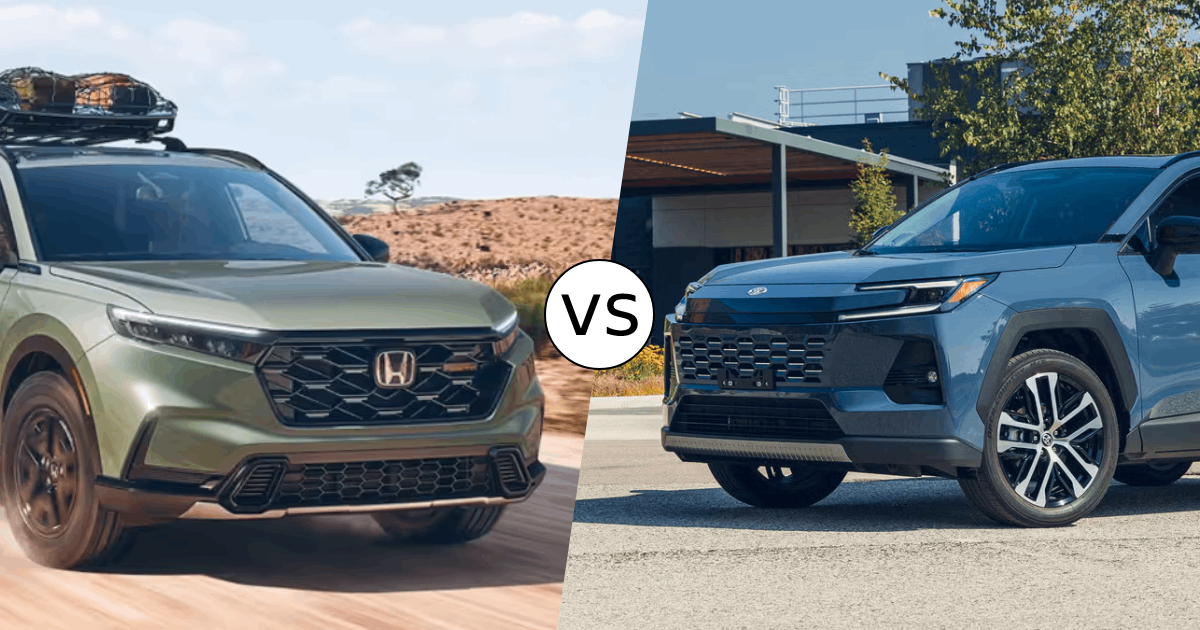
2026 Toyota RAV4 vs. 2026 Honda CR-V

2026 Toyota RAV4 vs. 2026 Honda CR-V

Walk into any dealership these days and you'll hear the 2026 Toyota RAV4 vs 2026 Honda CR-V debate constantly. Both SUVs have built loyal followings, but Toyota just made a bold move that changes everything. The entire RAV4 lineup went hybrid-only. No gas engine option. No choice to make. It's hybrid power across the board. Honda took a different path with the CR-V, keeping both traditional and hybrid options available. Want the familiar turbocharged engine? You got it. Prefer hybrid efficiency? That's there too. This flexibility worked before, but the automotive world is racing toward electrification faster than ever. Toyota jumped ahead by going all-in on hybrid technology, setting up the RAV4 for buyers who want proven fuel savings without dealing with charging infrastructure. Ready to explore our new Toyota inventory? Let's see what separates these popular SUVs. more 2026 Compact SUV Showdown: RAV4's All-Hybrid Revolution vs. CR-V Toyota didn't just add a few hybrid models to the 2026 RAV4 lineup. They completely rewrote the playbook. Every single RAV4 now runs with electric assistance, no exceptions. This bold move demonstrates Toyota's confidence in their hybrid tech. While other manufacturers are still figuring out electrified systems, Toyota has been perfecting hybrids across millions of vehicles globally. That experience really shows in how smoothly the RAV4's hybrid system operates. HEV Trim Lineup: Power and Efficiency The standard hybrid trims span from the practical LE to the fully-loaded XSE, all using a 2.5L hybrid system that produces 226 hp with FWD or 236 hp with AWD. Meanwhile, the CR-V's hybrid system delivers 204 hp from its 2.0L setup, while gas-only CR-V models manage just 190 hp from their 1.5L turbo engine. The 2026 RAV4 HEV lineup covers LE, XLE Premium, Limited, Woodland, SE, and XSE trims. The LE handles what most families need: dependable transportation, excellent gas mileage, and Toyota's famous durability. Step up through the trim levels and you'll find genuine improvements like better interior materials, enhanced safety technology, or upgraded infotainment. The brilliant part about going all-hybrid? You get outstanding fuel economy regardless of which trim appeals to you. PHEV Trims: Plug-In Performance The plug-in RAV4 models take efficiency to another level with 324 hp and standard AWD across SE, XSE, Woodland, and GR SPORT variants. These PHEV models deliver up to 54 miles of all-electric driving range on the SE trim, which works perfectly for drivers with predictable daily commutes around Southern California who can plug in at home nightly. Running errands without using any gas creates real savings over time. The GR SPORT variant adds some personality to the plug-in lineup, mixing environmental benefits with sportier suspension tuning and aggressive styling. It proves you don't have to sacrifice driving excitement when choosing efficiency. 2026 Honda CR-V: Gas and Hybrid Configurations Honda takes a different approach with the 2026 CR-V by maintaining both turbocharged gas and hybrid powertrains. Base LX, EX, and EX-L trims use the traditional 1.5L turbo engine, while efficiency-focused buyers can upgrade to Sport Hybrid, TrailSport Hybrid, Sport-L Hybrid, or Sport Touring Hybrid variants. The CR-V hybrid has received positive reviews for smooth operation and solid fuel economy. Honda's system performs well and provides meaningful efficiency gains over gas-only models. But splitting development between conventional and hybrid powertrains keeps Honda from becoming a pure efficiency champion in this Honda CR-V vs Toyota RAV4 battle. The market is clearly moving toward electrification, and the RAV4's complete hybrid commitment places it ahead of that trend. Powertrain Efficiency: Why RAV4's All-Hybrid Strategy Wins Comparing the 2026 RAV4 vs CRV efficiency numbers shows Toyota's clear edge. EPA estimates demonstrate the RAV4 hybrid's impressive fuel economy across its lineup: FWD LE/SE/XLE Premium: 47 city / 40 highway / 43 combined mpg AWD LE/SE: 46 city / 39 highway / 42 combined mpg AWD XLE Premium: 47 city / 40 highway / 43 combined mpg AWD XSE/Limited: 44 city / 39 highway / 42 combined mpg Woodland: 41 city / 35 highway / 38 combined mpg The CR-V hybrid's EPA estimates tell a different story: FWD hybrids: 43 city / 36 highway / 40 combined mpg AWD Sport/Sport-L/Sport Touring: 40 city / 34 highway / 37 combined mpg TrailSport AWD: 38 city / 33 highway / 35 combined mpg The RAV4 beats the CR-V hybrid in every single configuration, with some trims delivering up to 5 mpg better city efficiency and up to 3 mpg better combined efficiency. For drivers logging serious annual mileage around El Monte and across Southern California, these differences add up to substantial fuel savings. Toyota's advantage goes beyond just numbers. The RAV4 hybrid system has been refined through multiple generations, producing real-world fuel economy that actually shows up in your monthly gas expenses. Toyota didn't rush their hybrid development. They invested time to perfect it, and that patience delivers a more polished, better-integrated system throughout the lineup. At Longo Toyota, the nation's largest Toyota dealership, we consistently see RAV4 hybrid owners reporting fuel economy that meets or beats EPA estimates. That real-world performance builds trust in the technology. Interior Design, Comfort, and Technology Compared Cabin Quality and Passenger Space Climb inside the 2026 Honda CRV vs 2026 Toyota RAV4 and you'll see two distinct philosophies. The CR-V focuses on upscale materials and a premium feel, creating interiors that seem more expensive than their actual prices. The RAV4 goes for a more durable approach without compromising comfort. Materials feel built to withstand years of use, which makes sense for an SUV many owners take camping and on family adventures. Passenger space works well in both vehicles. The CR-V provides slightly more rear legroom, while the RAV4 offers generous cargo space for groceries, sports equipment, and weekend trip supplies. Both SUVs seat five passengers comfortably. Infotainment and Safety Features The RAV4 comes with a standard 10.5-inch touchscreen on most trims, plus an available 12.9-inch upgrade that includes JBL audio. The CR-V uses a 9-inch touchscreen on all trims. The RAV4's larger available screen creates a more modern, intuitive interface with better visibility. Safety technology comes standard on both vehicles. The RAV4 includes Toyota Safety Sense 4.0 across all trims, while the CR-V features Honda Sensing. Both systems provide automatic emergency braking, lane departure warnings, and adaptive cruise control. The RAV4's Toyota Safety Sense suite has been refined across millions of vehicles, building its reputation for reliable performance. Long-Term Value: Reliability, Resale, and Ownership Costs When examining RAV4 vs CR V reliability, Toyota's track record provides a decisive edge. The RAV4 consistently ranks among the most dependable vehicles in reliability surveys, earning this reputation by building SUVs that simply keep running. This reliability directly impacts your finances through fewer surprise repairs and lower maintenance costs down the road. The CR-V has developed its own solid reliability reputation. However, Toyota's hybrid systems have proven themselves across millions of miles in every climate and driving situation imaginable. That extensive real-world validation gives buyers confidence that RAV4 hybrids will perform consistently long after the warranty expires. Resale value mirrors reliability trends, and the RAV4 holds its value exceptionally well. Used car buyers consistently pay premium prices for RAV4 models because they understand they're purchasing a vehicle with plenty of life remaining. This strong resale performance means RAV4 owners recover more of their initial investment when it's time to upgrade, effectively reducing total ownership costs. The Verdict: Why the 2026 RAV4 Is the Smarter Choice This 2026 Toyota RAV4 vs Honda CRV comparison shows a clear winner for buyers prioritizing efficiency, reliability, and long-term value. Toyota's all-hybrid commitment positions the RAV4 as the best compact hybrid SUV for drivers ready to embrace proven electrified technology. The CR-V remains a capable, comfortable SUV. Its divided focus between gas and hybrid powertrains prevents complete commitment to either approach though. In a market sprinting toward electrification, the RAV4's hybrid-only strategy looks increasingly brilliant. Fuel costs alone justify choosing the RAV4, especially for drivers covering significant annual mileage. The savings accumulate quickly, offsetting any price premium for hybrid technology. Combined with Toyota's reliability reputation and strong resale values, the RAV4 delivers a compelling total ownership package. Experience the RAV4 at Longo Toyota For Southern California residents considering the Honda CRV and RAV4 comparison, visiting Longo Toyota provides hands-on access to the complete RAV4 lineup. Our experienced team at our El Monte, CA location can explain differences between HEV and PHEV models, help identify which trim level fits your needs, and discuss financing options that make switching to hybrid power more affordable. Browse our current RAV4 selection online or schedule a test drive by calling 626-539-2113 during our convenient hours, Monday through Sunday from 9 AM to 8 PM. Longo Toyota's state-of-the-art service facilities keep your RAV4 running perfectly for years to come. Factory-trained technicians use genuine Toyota parts and follow manufacturer specifications to maintain your hybrid's efficiency and reliability. Schedule service Monday through Friday from 7 AM to 7 PM or Saturday from 7 AM to 5:30 PM by calling 626-539-2126. Frequently Asked Questions What is better, Honda CR-V or Toyota RAV4? The RAV4 wins thanks to its all-hybrid lineup, superior reliability record, and stronger resale value. The CR-V offers a more premium interior feel and slightly more rear-seat space, but the RAV4's proven hybrid technology and lower long-term ownership costs make it the smarter investment. How does the RAV4 hybrid vs CR-V hybrid compare? The RAV4 hybrid benefits from Toyota's decades of hybrid expertise, resulting in smoother operation and proven long-term reliability. EPA estimates show the RAV4 achieving up to 48 city mpg compared to the CR-V hybrid's 43 city mpg in comparable configurations. Is the Toyota RAV4 vs Honda CR-V price competitive? Pricing varies by trim level and available incentives, but both SUVs compete in similar ranges. The RAV4's standard hybrid powertrain may carry a slight premium over base CR-V gas models, but lower fuel costs and stronger resale values offset that difference over time. Which offers better fuel economy, the 2026 RAV4 vs CRV? The RAV4's all-hybrid lineup delivers superior fuel economy across all trim levels compared to the CR-V's gas-only models. When comparing hybrid versions, the RAV4 achieves better efficiency thanks to Toyota's more mature hybrid technology, with some configurations offering up to 5 mpg better city fuel economy and up to 3 mpg better combined fuel economy. How do Honda hybrid vs Toyota hybrid systems compare? Toyota's hybrid systems benefit from more extensive development and real-world testing across millions of vehicles worldwide. While Honda's hybrids work well, Toyota's experience shows in smoother operation, better long-term reliability, and more consistent efficiency in varied driving conditions. Should I consider the RAV4 hybrid vs Kia Sportage hybrid? Both offer compelling hybrid options, but the RAV4's proven reliability and strong resale value give it an edge for buyers prioritizing long-term value. Toyota's reputation for dependability makes the RAV4 a safer bet for minimizing ownership headaches.

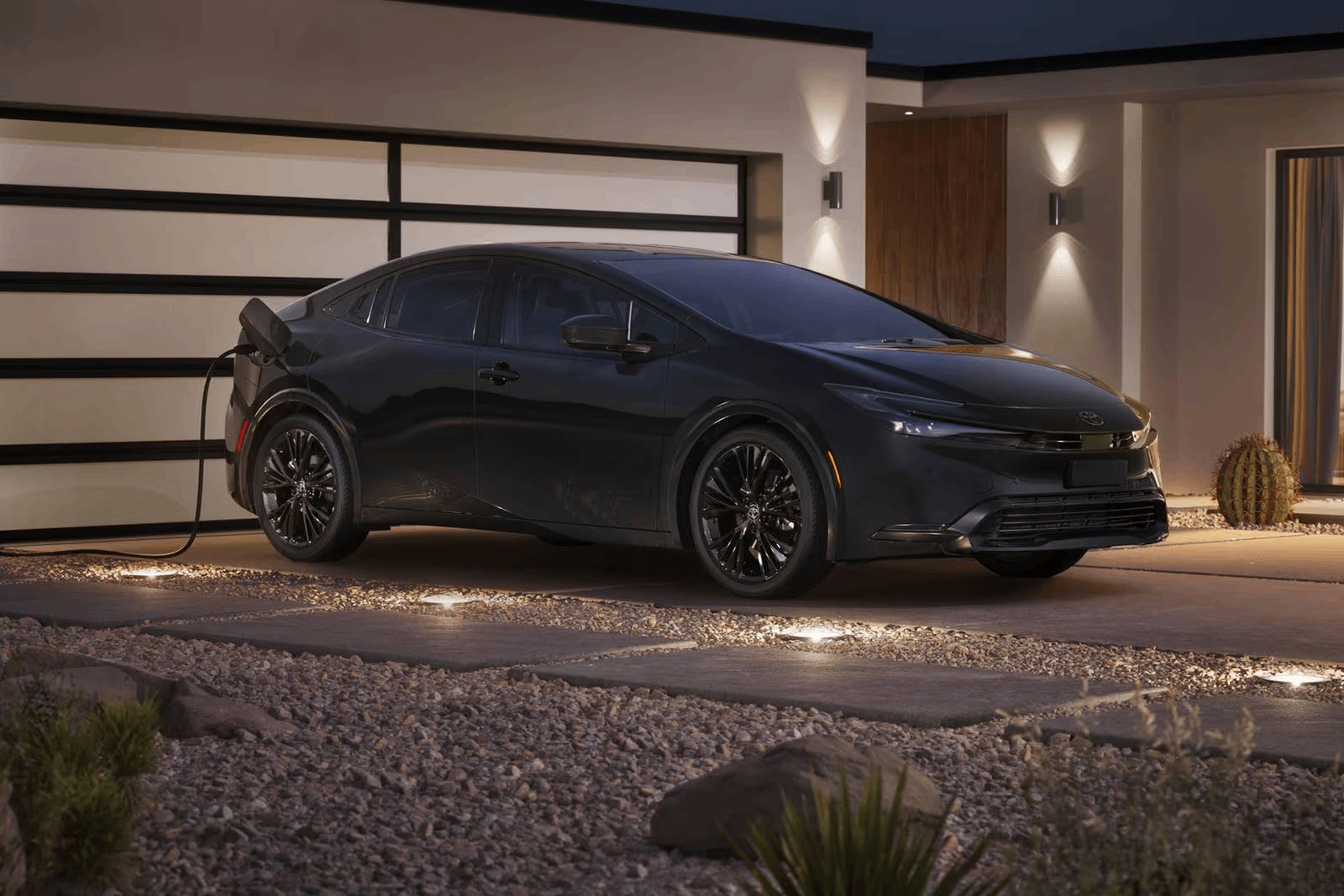
2026 Toyota Prius

Most Fuel-Efficient 2026 Toyotas: Top Picks for Cars, SUVs, and Trucks

Fuel costs keep climbing, and drivers are rethinking their vehicle choices. The average American spends over $2,000 annually on gas, making efficiency a priority for budget-conscious buyers. Toyota's 2026 lineup answers this challenge with hybrid technology that delivers impressive mileage without sacrificing the reliability we've built our reputation on. At Longo Toyota, we help Southern California drivers explore our new Toyota inventory to find the perfect balance of efficiency and capability. Whether you need a compact commuter, family SUV, or versatile truck, our El Monte showroom features the complete lineup of hybrid and electrified Toyota models that deliver real-world fuel savings. more 2026 Toyota Fuel Efficiency Comparison Vehicle Powertrain City MPG Highway MPG Combined MPG Drivetrain 2026 Prius Hybrid — — 57 FWD 2026 Camry Full Hybrid — — 51 FWD/AWD 2026 Corolla Hybrid Hybrid 53 46 50 FWD 2026 RAV4 Hybrid Hybrid 47 40 43 FWD 2026 Corolla Cross Hybrid Hybrid 46 39 42 FWD 2026 Tacoma i-FORCE MAX Hybrid 23 24 23 4WD Why Fuel Efficiency Matters More Than Ever in 2026 Rising fuel prices hit household budgets directly. They've turned fuel economy into a key factor when shopping for vehicles. Beyond saving money at the pump, choosing fuel-efficient vehicles shrinks environmental impact and aligns with California's push toward cleaner transportation. Modern hybrid technology has transformed what's possible. Drivers get responsive performance, lower emissions, and fewer stops at gas stations. These fuel-efficient Toyota vehicles prove efficiency doesn't require sacrificing space, capability, or driving experience. Most Fuel-Efficient Toyota Cars of 2026 Toyota's 2026 car lineup leads the industry in fuel economy, offering options for every driver. Whether you're commuting through El Monte's city streets or cruising Southern California highways, these models deliver exceptional mileage alongside Toyota's legendary reliability. 2026 Toyota Prius: The 57 MPG Fuel Economy Champion The Prius remains unbeatable in fuel efficiency, achieving 57 MPG combined. This iconic hybrid pioneered efficient driving decades ago and continues setting benchmarks today. Its aerodynamic design cuts through air resistance while the refined hybrid powertrain maximizes every drop of fuel. The smooth, quiet ride comes from decades of hybrid refinement. The regenerative braking system captures energy typically lost during stops, feeding it back into the battery. In Southern California's stop-and-go traffic, frequent braking becomes an advantage rather than a waste. The Prius offers generous cargo space and advanced safety features, making it practical for daily commuting and weekend trips. You'll spend less time searching for gas stations and more time enjoying the drive. 2026 Toyota Corolla Hybrid: Compact Efficiency at 50 MPG The Corolla Hybrid brings 50 MPG combined to Toyota's best-selling nameplate, with the LE and XLE FWD models achieving 53 city/46 highway. This compact sedan fits perfectly into urban environments while delivering surprising interior space. The 13.2-gallon tank provides up to 660 miles of range between fill-ups. The hybrid system works seamlessly. It automatically switches between gas and electric power based on driving conditions. Eco driving mode optimizes efficiency further, requiring no special techniques or charging stations. Drivers simply drive normally while enjoying significantly better mileage than traditional gas vehicles. The Corolla Hybrid maintains the practical trunk space and comfortable seating that made the standard Corolla popular worldwide. Toyota Safety Sense comes standard, adding peace of mind to every trip. 2026 Toyota Camry: Midsize Performance with 51 MPG The Camry proves midsize sedans can deliver outstanding fuel economy. With 51 MPG combined, it offers spacious family transportation without frequent fuel stops. Now fully hybrid, the powertrain delivers 225 net combined horsepower on FWD models and 232 net combined horsepower on AWD models, with responsive acceleration that surprises drivers expecting sluggish performance from efficient vehicles. The refined cabin and generous legroom make the Camry a favorite for families and professionals. The hybrid system adds virtually no compromise to interior space, maintaining the practical trunk and comfortable seating for five adults. This midsize sedan handles highway cruising and city traffic equally well. The hybrid system excels in stop-and-go conditions where traditional engines waste fuel. Most Fuel-Efficient Toyota SUVs of 2026 SUV buyers once accepted poor fuel economy as inevitable. Toyota's 2026 hybrid SUVs shatter that assumption, delivering impressive mileage without sacrificing cargo space or passenger room. We're proud to showcase these models that prove versatility and efficiency work together beautifully. 2026 Toyota RAV4 Hybrid: America's Best-Selling SUV at 43 MPG The RAV4 Hybrid dominates the compact SUV segment with 43 MPG combined (47 city/40 highway for FWD models). This rating outperforms virtually every competitor while offering generous cargo capacity and available all-wheel drive. As America's top-selling SUV, it combines practicality with efficiency perfectly for families. Toyota's proven hybrid system pairs with the RAV4's practical design. The elevated seating position provides excellent visibility while the low floor makes entry easy. Rear seats fold flat to expand cargo space when hauling larger items. Toyota Safety Sense comes standard, providing advanced driver assistance features. The fuel economy shines in real-world driving. Urban errands and highway trips both benefit from the intelligent hybrid system that knows when to use electric power and when to fire up the gas engine. 2026 Toyota RAV4 Plug-in Hybrid: Electric Flexibility Meets Hybrid Efficiency The RAV4 Plug-in Hybrid offers electric-only driving for short trips, then seamlessly transitions to hybrid operation for longer journeys. Most daily errands run on electric power alone, saving fuel entirely. When the battery depletes, the efficient hybrid system takes over without range anxiety. This model targets drivers wanting electric benefits without charging limitations. Overnight home charging at lower electricity rates enables emission-free commuting. Weekend road trips proceed normally thanks to gas engine backup. The plug-in system delivers stronger performance than the standard hybrid, providing satisfying acceleration when merging or passing. 2026 Toyota Corolla Cross Hybrid: Compact Crossover Economy The Corolla Cross Hybrid brings SUV versatility to a compact footprint with 42 MPG combined. Standard Electronic On-Demand All-Wheel Drive comes on every Corolla Cross Hybrid grade, giving drivers added confidence without sacrificing the efficiency that matters for daily driving costs. Elevated seating, easy cargo access, and impressive efficiency come together in one package. Compact dimensions make parking and city driving manageable while the hybrid system ensures excellent mileage. The interior feels surprisingly spacious despite the smaller exterior, offering comfortable seating and useful cargo capacity. This crossover bridges the gap between cars and larger SUVs. Standard AWD on every hybrid grade adds real-world capability without sacrificing the efficiency that matters for daily driving costs. Most Fuel-Efficient Toyota Truck of 2026: The Tacoma The Tacoma with i-FORCE MAX hybrid powertrain stands as the most fuel-efficient truck in Toyota's lineup for 2026, delivering 23 MPG combined (23 city/24 highway). While trucks traditionally prioritize capability over efficiency, the Tacoma delivers both. Genuine off-road capability, towing capacity, and improved fuel economy compared to previous generations prove possible together. Toyota engineers focused on reducing weight and improving aerodynamics without compromising the rugged construction Tacoma owners demand. Advanced hybrid technology enhances the driving experience while consuming less fuel than traditional truck powertrains. The Tacoma maintains its reputation for reliability and resale value while addressing the efficiency concerns that make truck ownership expensive. How to Choose the Right Fuel-Efficient Toyota for Your Lifestyle Start by examining your daily driving patterns. Do you primarily commute short distances or take frequent road trips? The Prius or Corolla Hybrid excel at urban driving with their exceptional city MPG ratings. The Camry suits those needing more space for passengers while maintaining excellent efficiency. Consider cargo and passenger needs carefully. If you regularly transport equipment, pets, or outdoor gear, our SUV lineup provides versatility alongside efficiency. The RAV4 Hybrid offers the most balanced combination of space and mileage, while the Corolla Cross Hybrid works for lighter cargo needs. For those requiring truck capability, the Tacoma i-FORCE MAX hybrid delivers utility with substantially better fuel economy than traditional trucks. Think about your budget beyond the purchase price. These fuel-efficient vehicles save money throughout ownership through lower fuel costs and reduced maintenance compared to traditional gas engines. Hybrid systems typically need less brake service thanks to regenerative braking, adding to long-term savings. Consider whether a plug-in hybrid fits your routine. If you can charge at home and drive mostly short distances, the RAV4 Plug-in Hybrid maximizes fuel savings. Drivers without regular charging access still benefit greatly from standard hybrid models that never need plugging in. Explore Fuel-Efficient Toyotas at Longo Toyota Finding your ideal fuel-efficient Toyota starts at Longo Toyota in El Monte, where the complete 2026 lineup awaits on our 50-acre campus. Our extensive inventory includes all the economy cars and fuel-efficient SUVs discussed here, ready for virtual test drives that reveal how hybrid technology enhances daily driving. Our knowledgeable product specialists help compare Toyota's best MPG vehicles against your specific needs. We'll provide detailed information about each model's fuel economy, features, and capabilities without pressure. You get honest guidance about which fuel-efficient cars match your lifestyle and budget. Ready to get started? Get pre-qualified for financing before your visit. Visit the Nation's Largest Toyota Dealership Our modern showroom at 3534 North Peck Road offers a comfortable environment to explore options and discuss financing. As the largest Toyota dealership in the nation, we work with multiple lenders to secure competitive rates on these efficient vehicles. Service excellence continues long after your purchase, with our factory-authorized service department maintaining your hybrid system with genuine Toyota parts. Extended service hours make maintenance convenient, with Saturday availability fitting busy schedules. Campus amenities enhance your visit, including an on-site Starbucks and AAA branch for membership services. Start Saving on Fuel Today Contact Longo Toyota at 626-539-2113 to schedule your test drive. Sales hours run daily from 9 AM to 8 PM, giving you flexibility to visit when convenient. Experience firsthand how the most fuel-efficient Toyotas of 2026 deliver savings without sacrificing the quality Southern California drivers expect. The transition to efficient driving doesn't require compromise anymore. Toyota's 2026 lineup proves you can have exceptional fuel economy alongside the space, capability, and reliability you demand. Visit us to discover which model fits your life while cutting fuel expenses significantly.

2026 Toyota RAV4

2026 Toyota RAV4 Trims Explained: Which One Is Right for You?

Shopping for a compact SUV gets tricky when the 2026 Toyota RAV4 lineup throws so many options at you. Hybrid powertrains, plug-in variants, adventure-ready builds, luxury features - figuring out what each version actually offers can mean the difference between loving your purchase or wondering if you made the right call. Here at Longo Toyota, we'll help you sort through these choices so you can browse our new Toyota inventory with real confidence. more 2026 Toyota RAV4 Pricing Overview "How much does the 2026 Toyota RAV4 cost?" That question doesn't have a simple answer since the price swings wildly based on which trim catches your attention. Toyota made a bold decision for 2026: every single RAV4 now runs on electrified power. Walk into our El Monte dealership and you'll find only hybrids and plug-in hybrids. No more traditional gas engines. This change shows Toyota's serious commitment to fuel efficiency while keeping the performance and flexibility that makes the RAV4 perfect for Southern California living. You're looking at starting prices from $31,900 for the LE Hybrid stretching all the way up to $48,500 for the track-tuned GR Sport PHEV. Here's what's interesting: every single trim includes Toyota Safety Sense 4.0, a 12.3-inch digital gauge cluster, and wireless Apple CarPlay and Android Auto right out of the box. These aren't add-ons you have to negotiate for. The hybrid and plug-in options make total sense for SoCal drivers. Fighting through traffic or heading out for weekend desert runs, that fuel efficiency really adds up. The SE and XSE PHEV models give you up to 52 miles of pure electric driving - enough for most daily errands while keeping gas available for those longer mountain trips. 2026 RAV4 Hybrid Trims: The Core Lineup LE Hybrid: Smart Entry Point At $31,900, the LE Hybrid proves you don't need to break the bank for modern efficiency. This trim pushes out 226 horsepower with front-wheel drive, or bump it to 236 HP by adding AWD for an extra $1,400. The 10.5-inch touchscreen handles navigation and media without any lag, plus you get sharp-looking 17-inch alloy wheels. The LE makes thoughtful compromises to hit that price target without feeling cheap. You still get all the essential safety tech and connectivity features that matter for daily use. Perfect for buyers who care more about function and fuel savings than fancy touches. SE Hybrid: Sport Appeal with Efficiency For $34,700, the SE Hybrid brings sport styling and comfort upgrades that you'll actually notice. Those black sport wheels give the whole vehicle a more aggressive look, while heated front seats handle those surprisingly chilly LA mornings. The smart key with push-button start means no more digging through your bag or pockets. This trim finds that sweet spot for people who want their efficient ride to look good and feel comfortable without jumping into premium territory. That modest $2,800 bump over the LE gets you features that genuinely improve your daily experience. XLE Premium Hybrid: Elevated Comfort Starting at $36,100, the XLE Premium Hybrid turns the RAV4 into a much more refined daily driver. SofTex seats feel upscale while staying easier to clean than genuine leather. The power liftgate becomes a lifesaver when you're wrestling with groceries or sports equipment, and wireless charging keeps your phone topped off without cable wrestling. Digital key functionality and parking assist with automatic braking add real convenience and peace of mind. These aren't showy luxury features - they're practical upgrades that make everyday driving noticeably smoother, especially when dealing with tight SoCal parking spaces. XSE Hybrid: Sport Meets Substance At $41,300 with standard AWD, the XSE Hybrid is where the sport trim designation actually earns its name. You get the same 236 horsepower as other AWD models, but the XSE pairs that output with sport-tuned suspension and firmer handling that makes canyon runs and freeway on-ramps feel noticeably more engaging. The 12.9-inch touchscreen matches what you get in the Limited, and the premium perforated Ultrasuede seating with colorful cabin accents gives the interior a personality you won't find in the other trims. The XSE hits a sweet spot for buyers who want near-Limited tech and a sportier driving character without paying for the panoramic sunroof and JBL audio that push the Limited higher. Heated and ventilated front seats come standard, a surround-view camera makes urban parking less stressful, and the two-tone roof option lets you put a more aggressive stamp on the exterior. If the SE looks the sport part, the XSE actually plays it. Limited Hybrid: Premium Without the Plug The Limited Hybrid costs $43,300 and delivers comprehensive luxury with standard AWD. That panoramic sunroof completely opens up the cabin feel, while the larger 12.9-inch touchscreen provides a much better interface. The JBL 9-speaker system actually sounds impressive, and heated plus ventilated leather seats keep you comfortable through our year-round weather variations. This trim works well for buyers who want premium features and better fuel economy than traditional gas SUVs but aren't quite ready to deal with plug-in charging routines. You get luxury vehicle refinement without the complexity or price jump of PHEV models. Adventure-Ready: Woodland Edition At $39,900, the Woodland Edition targets outdoor enthusiasts who need real capability. AWD comes standard, combined with increased ground clearance and all-terrain tires that confidently handle rutted dirt roads, sandy beach approaches, and mountain fire trails. The distinctive styling makes this trim stand out at every trailhead. For weekend warriors exploring everything Southern California offers - desert trails, mountain passes, beach access roads - the Woodland Edition provides the mechanical foundation you need without the extreme cost of custom lifted builds. It's Toyota's factory solution for adventure-ready versatility. Plug-In Hybrid Excellence: PHEV Lineup SE PHEV: Powerful Efficiency The SE PHEV starts at $41,500 and brings serious performance with its 324-horsepower drivetrain. Standard AWD and 52 miles of pure electric range mean most daily driving happens without burning gas. The SofTex interior adds a premium feel that matches the advanced powertrain. Important note: this trim can't use DC fast-charging, so overnight home charging becomes your main strategy. For buyers with predictable commutes and reliable home charging setup, this rarely becomes an issue. Woodland PHEV: Trail Power with Charging Speed At $45,300, the Woodland PHEV combines adventure capability with 324 horsepower and DC fast-charging through CCS. Perfect for longer trips where you might want to charge quickly during stops. The rugged styling and raised ground clearance keep the adventure-ready character intact. This trim makes sense for outdoor enthusiasts who want both trail capability and the flexibility to charge rapidly when exploring beyond your usual electric range. XSE PHEV: Sport Meets Sustainability The XSE PHEV ($47,200) delivers sport styling and DC fast-charging in one package. Standard AWD and 324 horsepower provide confident acceleration, while sport-tuned suspension keeps handling tight. The aggressive exterior styling matches the performance potential underneath. For buyers who want their efficient vehicle to look athletic and charge quickly, the XSE PHEV hits both targets without compromise. GR Sport PHEV: Track-Tuned Performance Topping the lineup at $48,500, the GR Sport PHEV features Toyota Gazoo Racing-tuned suspension. The 324-horsepower powertrain and 48-mile electric range deliver both thrills and efficiency. This trim appeals to driving enthusiasts who refuse to give up performance for sustainability. The specialized suspension tuning provides sharper handling without making daily driving uncomfortable - a trickier balance to achieve than it sounds. 2026 RAV4 Hybrid Trims Comparison Compare the standard hybrid lineup to find the right balance of features and value. Trim Starting MSRP Powertrain Horsepower Key Features Best For LE Hybrid $31,900 Hybrid 226–236 HP 10.5" touchscreen, 17" wheels, FWD standard Budget-conscious buyers SE Hybrid $34,700 Hybrid 226–236 HP Sport styling, heated seats, smart key Value seekers wanting style XLE Premium Hybrid $36,100 Hybrid 236 HP SofTex seats, power liftgate, wireless charging Families needing convenience XSE Hybrid $41,300 Hybrid 236 HP Sport suspension, Ultrasuede seats, 12.9" touchscreen Sport-oriented buyers Limited Hybrid $43,300 Hybrid 236 HP Panoramic sunroof, JBL audio, leather seats Premium buyers prioritizing luxury Woodland Edition $39,900 Hybrid 236 HP Increased clearance, all-terrain tires, AWD Weekend adventurers 2026 RAV4 PHEV Trims Comparison All PHEV trims include standard AWD and 324 horsepower, with the key differences coming down to charging capability, styling, and suspension tuning. Trim Starting MSRP Powertrain Horsepower Key Features Best For SE PHEV $41,500 Plug-in Hybrid 324 HP 52-mile EV range, SofTex seats Daily commuters with home charging Woodland PHEV $45,300 Plug-in Hybrid 324 HP DC fast-charging, trail capability, AWD Adventure seekers needing fast charging XSE PHEV $47,200 Plug-in Hybrid 324 HP DC fast-charging, sport suspension, AWD Sport buyers wanting fast charging GR Sport PHEV $48,500 Plug-in Hybrid 324 HP GR-tuned suspension, 48-mile EV range Performance enthusiasts Which 2026 RAV4 Trim Is Right for You? Picking the right RAV4 trim starts with an honest evaluation of your priorities and how you actually drive. Based on what we've seen work for our Southern California customers, here's what typically makes sense. Best Value: The SE Hybrid adds heated seats and sport styling for a small increase over the LE. This trim delivers the most noticeable upgrades per dollar spent. Families: The XLE Premium Hybrid earns its place with practical features like the power liftgate and parking assist. When you're juggling kids and cargo, these conveniences genuinely transform daily life. Adventure Seekers: Both Woodland editions provide increased ground clearance and all-terrain capability. Pick the standard Woodland for weekend trails, or step up to the Woodland PHEV if you want 324 horsepower and fast-charging flexibility. Premium Buyers: The Limited Hybrid delivers comprehensive luxury at a lower price than PHEV models. You get every comfort feature Toyota offers while maintaining excellent fuel efficiency. Maximum Performance: The XSE PHEV combines 324 horsepower with DC fast-charging capability, making it ideal for drivers who want electric efficiency without range anxiety. Test driving multiple trims helps clarify which features actually matter for your situation. We encourage you to schedule a virtual test drive or visit our El Monte location to experience these differences yourself. If you're considering financing options, we invite you to get pre-qualified for financing before your visit. This streamlines the process and helps you understand exactly what fits your budget. Explore the 2026 Toyota RAV4 at Longo Toyota Reading about RAV4 models provides a starting point, but experiencing them reveals the real differences between trims. As the largest Toyota dealership in the nation, we maintain a comprehensive inventory across the entire lineup. Our expansive El Monte campus provides space to properly showcase every configuration, letting you compare trims side by side. Our product specialists understand the subtle differences between trims and help clarify real-world implications of different features. Whether you prioritize adventure capability, plug-in efficiency, or premium comfort, we make sure you understand how each trim delivers on your specific needs. View our 2026 RAV4 inventory to see current availability and pricing. Our expanded service facilities and collision repair center ensure your RAV4 receives expert care long after purchase, with convenient amenities making service appointments easier to manage.Visit us at 3534 North Peck Road in El Monte, call 626-539-2113, or contact our team online to explore the 2026 Toyota RAV4 lineup. We're available Monday through Sunday from 9 AM to 8 PM, ready to help you find the trim that matches your requirements and budget.

Galleano Winery

Best Wineries near Pomona, CA

You don't need to drive to Napa Valley to enjoy exceptional wine tasting. The best wineries near Pomona, CA are located in the historic Cucamonga Valley, where family vineyards have been producing wine since the 1830s. These local establishments combine Southern California sunshine with generations of winemaking tradition, creating unique varieties you won't find anywhere else. The region's warm climate produces bold reds, crisp whites, and dessert wines that rival more famous wine regions. Many wineries have been crafting wine for over a century, maintaining old-world techniques while embracing innovation. Just 15-20 minutes from Pomona, these accessible destinations offer exceptional tasting experiences without the lengthy drive to distant wine country. more Best Wineries Near Pomona for Your Tasting Adventure Galleano Winery – Mira Loma Galleano Winery stands as Riverside County's oldest winery, established in 1927 on over 300 acres at the southern end of the Cucamonga Valley. The property features picturesque vineyards stretching across the Mira Loma landscape, particularly stunning during late afternoon when the sun hits the vines. This family-owned estate has remained a local favorite for generations, offering approximately 20 wine varieties in a relaxed, unpretentious atmosphere. Their award-winning Generation III Port showcases what old-vine Cucamonga Valley fruit can achieve, with rich plum and nutty aromas. The Pioneers Legendary Zinfandel delivers intense wild berry and pepper notes from the historic Lopez Ranch old vines. Don't miss their signature Cucamonga Peak White and Grenache Rose, or their unique Almond Champagne that reflects the region's distinctive character. The outdoor covered patio and grassy picnic area provide ideal settings for enjoying wine by the glass or bottle. Hand-selected flights allow you to explore their range, with staff members genuinely enjoying sharing stories about the winery's multi-generational history. The tasting fee applies toward purchases, making it easy to take home their 90th Anniversary Cream Sherry or other award-winning selections. Show up before 2 PM on weekends if you prefer a quieter experience. Hours: Tuesday-Sunday, 10 AM-6 PM (Closed Mondays and major holidays) San Antonio Winery – Ontario San Antonio Winery brings winemaking history to Ontario with a spacious tasting room and production facility. This historic establishment provides a comprehensive wine experience, with guided tastings and knowledgeable staff explaining the characteristics of each wine and offering pairing suggestions. Their estate wines from various California appellations create a welcoming tasting environment suitable for both casual drop-ins and planned group visits. The facility's size and amenities make it an excellent destination for exploring diverse wine styles. Visitors can see winemaking in action through production facility tours, creating an immersive experience that can easily fill an afternoon. The combination of accessibility and educational opportunities makes this location particularly appealing for those developing their wine knowledge. Rancho de Philo – Rancho Cucamonga Rancho de Philo combines rustic charm with serious winemaking, specializing in their remarkable Triple Cream Sherry. Established in 1962 by Philo Biane, former President of Brookside Vineyard Company, this estate has earned multiple Best-Wine-of-Show awards for its signature fortified dessert wine. The Triple Cream Sherry features a rich amber color with notes of raisins, caramel, and almonds, aged using the traditional solera method with a 35-year average age blend in their 58-year-old solera system. The winery's limited public access makes visits particularly special. Note that wine sales happen during daylight hours, but the primary opportunity for purchasing comes during the annual sale beginning the second Saturday of November. This limited availability and the exceptional quality of their Mission grape-based sherry make advance planning essential for visitors seeking this unique Cucamonga Valley treasure. Hours: Daylight hours for wine sales; primary public access during annual sale (begins 2nd Saturday of November) Biane Winery – Rancho Cucamonga Few wineries in Southern California can claim a lineage as deep as Biane Winery, where seven generations of winemaking history converge in a stone-walled tasting room on 8th Street in Rancho Cucamonga. The family's roots trace back to 1832 when the Vaché family planted vineyards in Monterey, eventually extending to the Cucamonga Valley in the late 1800s. Great-grandfather Marius Biane arrived from France in 1892 and helped build what became the Brookside Vineyard Company, one of California's most iconic wine brands. Today, the tasting room sits within the property of California Bonded Winery #1, the oldest winery designation in the state, and the thick stone walls that surround your glass are themselves a piece of California wine history. The winery specializes in Cucamonga Valley varietals alongside wines sourced from the Central Coast and Napa, giving the tasting menu a satisfying regional range. Visitors have picked up notable pours including a bubbly brut that previously supplied Las Vegas hotels and small-batch blends that aren't yet on the commercial menu. The atmosphere is laid-back and genuinely welcoming, clean, well-lit, with plenty of seating and a good playlist running in the background. Staff are known for offering sneak-peek pours of upcoming releases, making each visit feel a little like being in on something. Wine club memberships, gift cards, and personalized label options round out the offerings if you want to take the experience home. Hours: Thursday–Sunday, 12 PM–8 PM (Closed Monday–Wednesday) D'Ellena Winery – Rancho Cucamonga The newest entry on this list carries the most weight of history. D'Ellena opened in late 2025 on the site of the former Regina Winery, a property established in 1916 by the Ellena brothers, holders of California Bonded Winery License #1. Nonprofit developer National CORE revived the site after years of community debate, installing local winemaker Ryan Pedvin to produce small-batch Cucamonga wines: a Zinfandel from nearby Lopez Ranch, a Palomino white, and a white Zinfandel grown on the property itself, with new vintages arriving spring 2026. The winery stands framed against the San Gabriel Mountains with its original early-1900s architecture intact and vineyards being actively restored. The tasting room feels like a community discovery rather than a polished tourist stop and that's the appeal. Future plans include a pocket park, outdoor events space, and a Cucamonga Valley wine history museum. Visit now while it's still finding its footing; you're watching something remarkable take shape. Hours: Wednesday–Friday 1–8 PM; Saturday–Sunday 11 AM–8 PM (Closed Monday–Tuesday, Thanksgiving & Christmas) What to Expect During Your Winery Visit Wine tasting experiences typically include sampling four to six wines, with most Inland Empire wineries charging tasting fees that often apply toward bottle purchases. Staff members guide you through each pour, explaining the wine's characteristics, production methods, and ideal serving conditions. The atmosphere at these wineries ranges from casual to elegant, but all maintain a welcoming environment. Many locations offer picnic areas where you can relax with a purchased bottle while enjoying vineyard views. Some properties include tour options that take you through production facilities or into the vineyards themselves, providing educational experiences about the region's winemaking heritage. Tasting room hours vary, with most operating weekends and limited weekday availability. Check websites for current schedules before planning your route, and note that reservations become important for larger groups, though walk-ins work well for couples or small parties during off-peak times. Planning Your Wine Tasting Day Trip from Pomona Most of these wineries sit within 15-20 minutes from Pomona, making day trips entirely feasible. Visit during weekdays or Friday evenings to avoid crowds and catch special events like Joseph Filippi's movie nights or Taco Tuesdays. Consider visiting two or three wineries rather than rushing through more locations, allowing you to fully appreciate each stop. Spring through fall provides optimal conditions for outdoor tastings, with March through November offering comfortable temperatures for patio seating. The Rancho Cucamonga area offers several wineries in close proximity, while Mira Loma and Ontario provide opportunities to explore different microclimates and styles within the historic Cucamonga Valley. Before You Go: Verify current hours on winery websites (some have limited schedules) Make reservations for groups of 6 or more Bring a cooler if purchasing bottles during summer heat Designate a driver or arrange transportation Pack water and snacks for between stops Remember to drink responsibly and ensure you have a designated driver or rideshare arrangement. These winding vineyard roads require attention, and planning safe transportation allows you to fully enjoy your tasting experience. Tips for an Exceptional Inland Empire Wine Experience Pace yourself throughout the day to appreciate each wine fully. Focus on reds like Petite Sirah, Cabernet Sauvignon, and Zinfandel, which have become standouts at Inland Empire wineries. Most locations provide water and palate cleansers, but bringing your own crackers helps reset your taste buds between flights. Chat with winery staff to deepen your understanding and enjoyment. They possess extensive knowledge about their wines and the region's winemaking history dating back to the 1830s. Share your preferences openly so they can recommend wines suited to your taste. Many staff members have worked in the industry for years and can offer insights about harvest seasons, optimal aging, and food pairings unavailable elsewhere. Jot down notes on wines you particularly enjoy, including varietal, vintage, and producer. Photos of wine labels help you remember favorites when shopping later. Consider joining wine clubs at wineries you love, as memberships often provide discounts, exclusive releases, and special event invitations that make regular visits more rewarding. Start Exploring the Best Wineries near Pomona, CA The best wineries near Pomona, CA offer diverse experiences that rival destinations hours away. From century-old family estates producing award-winning ports and sherries to innovative operations experimenting with custom bottling, the Cucamonga Valley wine scene delivers quality, value, and hospitality. These accessible locations make it easy to develop your wine knowledge and discover new favorites without extensive travel. Start planning your wine adventure today. The short drive from Pomona means you can enjoy exceptional Cucamonga Valley wine tasting whenever the mood strikes, transforming an ordinary weekend into something special. Hours, tasting fees, and policies may change, so calling ahead ensures the best experience at these remarkable local destinations.

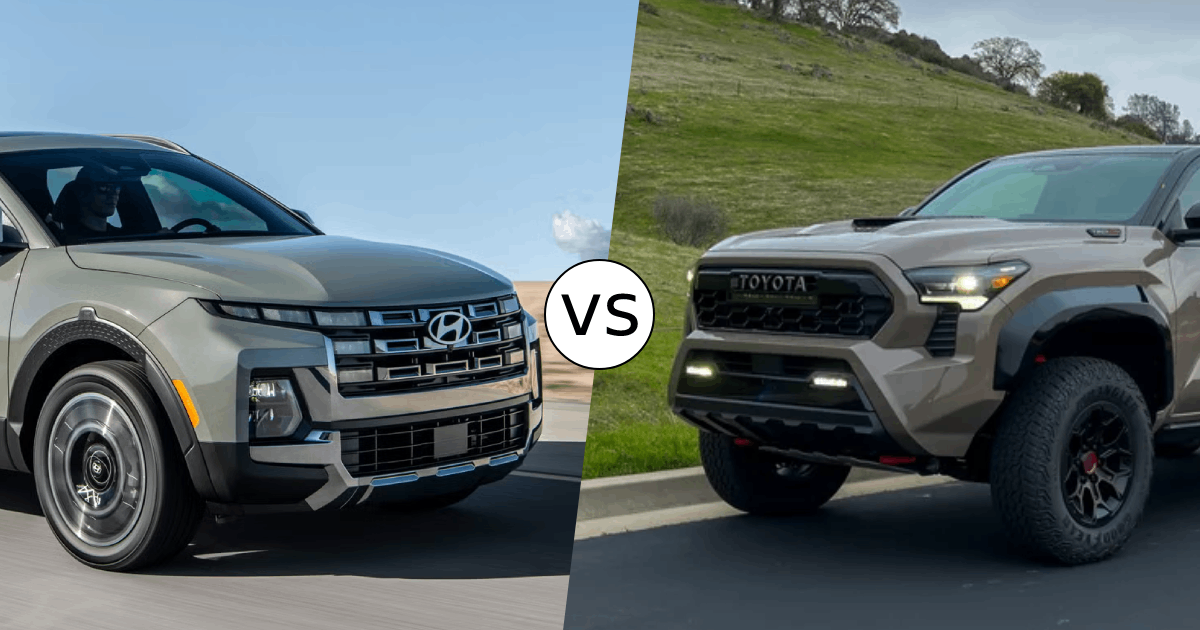
2026 Toyota Tacoma vs Ford Maverick

2026 Toyota Tacoma vs Ford Maverick

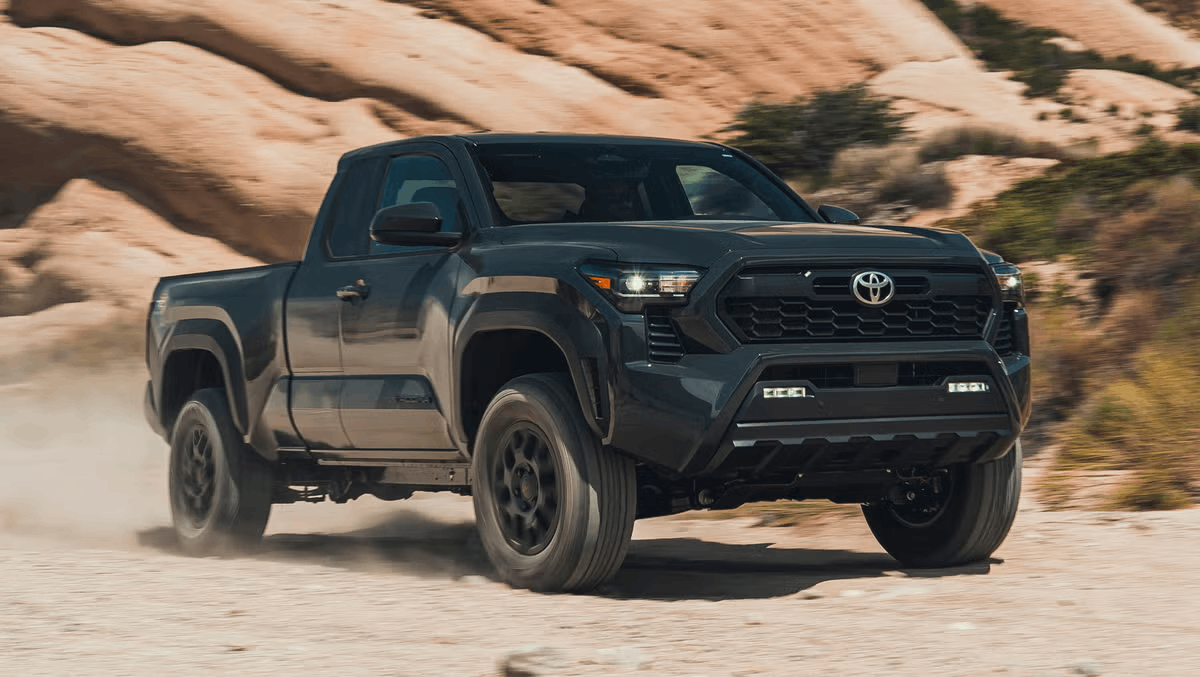
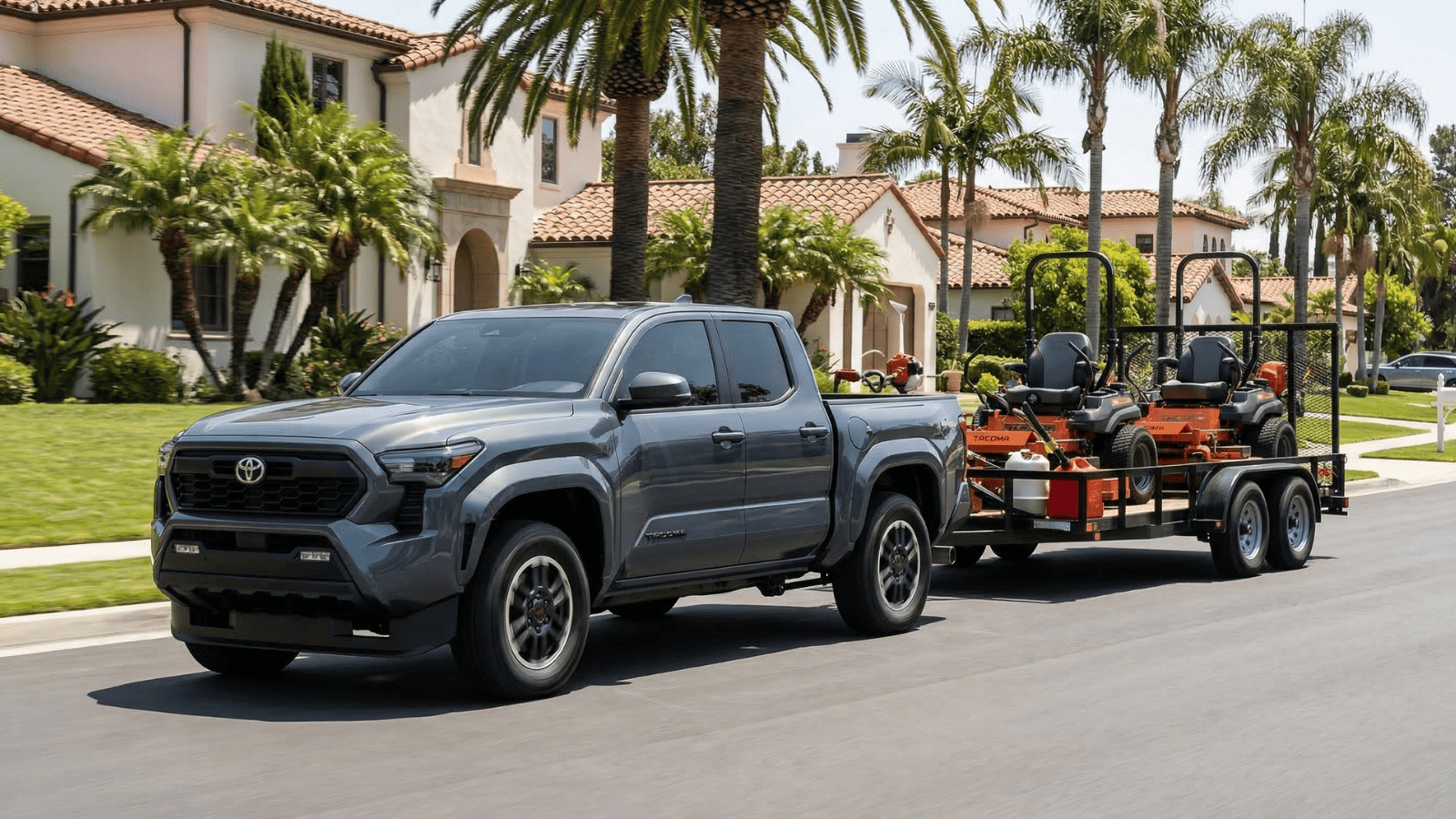
The 2026 Toyota Tacoma and Ford Maverick serve fundamentally different purposes in the pickup segment. At Longo Toyota, we help buyers understand this key distinction: the Tacoma delivers genuine truck capability with proven off-road credentials and serious towing capacity, while the Maverick functions as a compact urban pickup prioritizing efficiency over heavy-duty performance. Your choice depends on whether you need a rugged workhorse for demanding terrain and substantial loads, or a practical daily driver with occasional hauling capability. more 2026 Toyota Tacoma vs Ford Maverick: Understanding Two Different Trucks Comparing the Toyota Tacoma vs Ford Maverick means recognizing these aren't direct competitors. The Tacoma targets buyers who need real off-road capability and heavy-duty performance. Body-on-frame construction and available 4WD systems make it the pick for serious trail running and towing substantial loads. The Maverick serves urban drivers who want truck versatility in compact dimensions. Unibody construction and standard hybrid powertrain focus on efficiency and maneuverability rather than maximum capability. Power and Performance Comparison Engine Options and Specifications The 2026 Toyota Tacoma delivers substantially more power across its lineup. Here's how the engines stack up: Feature 2026 Toyota Tacoma 2026 Ford Maverick Base Engine Turbocharged 2.4L 4-cyl, 228 hp, 243 lb-ft 2.5L 4-cyl hybrid, 191 hp Higher Output Options Up to 278 hp / 317 lb-ft (most trims); i-Force hybrid up to 326 hp / 465 lb-ft Turbocharged 2.0L EcoBoost, 250 hp / 280 lb-ft Transmission 8-speed automatic or 6-speed manual CVT (hybrid); 8-speed automatic (EcoBoost) The Tacoma's turbocharged engine delivers the punch you need for highway merging and trailer towing, especially when navigating Southern California's mountain grades. The available i-Force hybrid system pushes output to 326 horsepower and 465 lb-ft of torque, providing exceptional capability for demanding conditions. This performance gap becomes obvious under load. The Tacoma's powertrain responds with urgency when you're passing on two-lane roads or accelerating up steep inclines near Angeles National Forest. Drivetrain Systems Feature 2026 Toyota Tacoma 2026 Ford Maverick Drivetrain Rear-wheel drive base; available 4WD with differential locks Front-wheel drive base; optional all-wheel drive Off-Road Focus 4WD system optimized for challenging terrain AWD suited for typical tasks The Tacoma's available part-time 4WD system includes a two-speed transfer case, locking rear differential, and multi-terrain select modes. These features provide serious control when you're navigating rocky trails or muddy backroads throughout El Monte and the surrounding region. The Maverick's intelligent all-wheel drive primarily sends power to the front wheels, engaging the rear automatically when it detects slippage. This setup handles wet pavement and light snow but wasn't engineered for serious off-road adventures. Towing, Payload, and Work Capability Towing capacity reveals the clearest performance gap between these trucks: Capability 2026 Toyota Tacoma 2026 Ford Maverick Max Towing Up to 6,500 lbs Up to 4,000 lbs Max Payload Up to 1,705 lbs Up to 1,500 lbs Curb Weight ~4,145 lbs ~3,913 lbs Fuel Tank Capacity 18.2 gallons 13.8 gallons The Tacoma's 6,500-pound towing capacity handles substantial boat trailers, campers, and equipment trailers with confidence. That's 62.5% more capability than the Maverick's 4,000-pound maximum. This difference matters for contractors and outdoor enthusiasts regularly towing heavy loads. The Tacoma's 1,705-pound payload rating accommodates building materials, equipment, and gear for extended trips. These numbers qualify the Tacoma as a genuine work truck handling demanding job sites, while the Maverick functions better as a lifestyle vehicle with occasional hauling needs. We invite you to browse our Tacoma selection and experience these capability differences firsthand. Off-Road Performance and Trail-Ready Features The Tacoma's reputation rests heavily on its off-road prowess. Ground clearance reaches 9.4 inches on base models and increases to 10.6 inches on off-road trims. Approach angles hit 29 degrees while departure angles reach 23.5 degrees, letting you tackle steep obstacles without scraping bumpers. The available crawl control system automatically manages throttle and braking on technical trails. Off-road enthusiasts appreciate the Tacoma's available locking rear differential, which ensures power reaches both wheels even when one lifts off the ground. The multi-terrain select system adjusts engine, transmission, and traction control settings for mud, sand, rock, and other challenging surfaces throughout Southern California's diverse terrain. The Maverick's 8.6 inches of ground clearance and lack of low-range gearing limit serious trail options. The truck handles dirt roads and mild trails adequately, but technical terrain quickly exceeds what it can do. Build Quality and Durability Construction Differences Aspect 2026 Toyota Tacoma 2026 Ford Maverick Chassis Body-on-frame (traditional truck durability) Unibody (lighter, efficiency-focused) Platform Shared with Land Cruiser Prado Compact crossover-based Body-on-frame construction gives the Tacoma significant durability advantages. The separate frame and body withstand twisting forces on rough terrain without transferring stress to the cab. This design philosophy has helped Toyota build trucks lasting 200,000 miles and beyond. The Maverick's unibody construction reduces weight and improves handling but sacrifices some long-term durability under harsh conditions. At the nation's largest Toyota dealership, we see Tacomas return for routine maintenance with remarkably few major repairs even after years of hard use. Cabin Design The Tacoma's cabin emphasizes ruggedness and utility. Front seats feel firm and supportive for long drives, with available leather seating and upgraded trim materials adding comfort in higher packages. The Double Cab configuration provides functional rear seating, while the deeper bed suits tall cargo better than the Maverick's design. Storage solutions prioritize different needs. The Tacoma's bed depth accommodates equipment and gear that won't fit in the Maverick's shallower design, making it superior for work and recreational hauling. Technology and Safety Features The Tacoma comes with Toyota's Audio Multimedia system on an 8-inch or 14-inch touchscreen depending on trim level. Wireless smartphone integration comes standard, and the available JBL audio system delivers impressive sound quality. Toyota Safety Sense includes pre-collision warning, automatic emergency braking, lane departure alert, and adaptive cruise control as standard equipment. Both trucks offer comparable safety technology, with available 360-degree camera systems making maneuvering easier. The Tacoma adds off-road specific technology like a multi-terrain monitor, which uses cameras to show wheel positioning and obstacles around the truck. This feature proves invaluable on tight trails where the Tacoma excels. Ready to experience these features? Schedule a virtual test drive with our team. Long-Term Value and Resale Toyota trucks historically hold their value better than most competitors. Tacomas regularly appear near the top of resale value rankings, with three-year-old models retaining significant percentages of their original price. This strong resale value offsets the higher initial purchase price and makes the Tacoma a smart long-term investment. The Maverick hasn't established a resale track record given its recent introduction. The truck's unique position should support decent resale values, though likely not matching the Tacoma's legendary retention. The Tacoma's proven reliability reputation strengthens its value proposition. While maintenance for more complex 4WD systems requires attention, our service department helps keep costs manageable with competitive pricing and genuine parts. Which Truck Should You Choose? The Tacoma makes sense if you regularly venture off-road, tow substantial trailers, or need maximum durability for work purposes. Its proven reliability, superior capability, and strong resale value justify the investment when you'll actually use these advantages. The Maverick suits urban drivers wanting truck versatility without truck-sized compromises, particularly those prioritizing efficiency for daily commuting with only occasional hauling needs. Consider these factors: The Tacoma delivers 62.5% more towing capacity, superior off-road capability with genuine 4WD systems, body-on-frame durability, and legendary resale value. These advantages matter significantly for buyers needing real truck capability rather than compact convenience. Visit us at Longo Toyota to explore the Tacoma lineup. Get pre-qualified for financing before your visit to streamline the process. We're located at 3534 North Peck Road in El Monte and open Monday through Sunday from 9 AM to 8 PM. Ready to experience the Tacoma difference? Contact our team today to schedule your test drive and discover why the Tacoma remains the choice for buyers needing genuine truck capability. Frequently Asked Questions Which truck tows more weight? The Tacoma tows up to 6,500 pounds compared to the Maverick's 4,000-pound maximum, providing 62.5% more capability when properly equipped. Can the Maverick handle serious off-roading? The Maverick handles light trails and dirt roads but lacks the ground clearance, low-range gearing, and locking differentials needed for technical terrain. The Tacoma excels in serious off-road conditions. Which truck offers better long-term reliability? Toyota's reputation for reliability and the Tacoma's proven track record suggest excellent long-term durability. The Maverick uses reliable components but hasn't established a comparable track record. How does payload capacity compare? The Tacoma offers 1,705 pounds maximum payload versus the Maverick's 1,500 pounds. The Tacoma's superior capacity handles demanding work and recreational loads more effectively. What makes the Tacoma better for work use? Body-on-frame construction, higher towing and payload ratings, available 4WD with locking differentials, and proven durability make the Tacoma the superior choice for contractors and serious work applications. Which truck has more cabin space? The Tacoma provides more spacious, rugged interior design with better rear seat room in Double Cab configurations. The design prioritizes utility and durability over compact efficiency.

2026 Toyota RAV4 vs Mazda CX-5

2026 Toyota RAV4 vs Mazda CX-5

Shopping for a compact SUV means weighing priorities that matter most to your lifestyle. The 2026 Toyota RAV4 and Mazda CX-5 represent two distinct approaches to the same challenge. One delivers hybrid efficiency and legendary reliability, while the other offers premium materials and engaging dynamics. Your choice hinges on whether you prioritize fuel savings and practicality or driving pleasure and upscale finishes. more 2026 RAV4 vs CX-5: Compact SUV Showdown The 2026 Toyota RAV4 vs Mazda CX-5 comparison reveals fascinating differences beneath surface similarities. The RAV4 has embraced hybrid technology across its entire range for 2026, making fuel efficiency a cornerstone of its identity while the CX-5 continues with traditional gasoline engines. This fundamental powertrain difference translates to dramatically lower running costs and reduced environmental impact without sacrificing performance. The CX-5 takes a different path, focusing on refined interior materials and sporty handling characteristics. Design philosophies diverge noticeably as well. The RAV4 projects rugged capability with bold styling and higher ground clearance, suggesting adventure readiness. The CX-5 presents a sleeker, more sophisticated profile that conveys refinement rather than ruggedness. Ready to experience these differences firsthand? Explore our RAV4 inventory at Longo Toyota in El Monte, where we can help you find the perfect configuration for your needs. Powertrain Options and Fuel Efficiency Engine Choices and Hybrid Availability The powertrain battle clearly distinguishes these competitors. Toyota has committed to hybrid technology throughout the RAV4 lineup, combining gasoline engines with electric motors for impressive efficiency gains. The hybrid setup provides immediate electric torque, enhancing acceleration feel in city traffic while delivering robust highway performance. Feature 2026 Toyota RAV4 2026 Mazda CX-5 Base Engine 2.5L hybrid four-cylinder 2.5L naturally aspirated four-cylinder Horsepower 226 hp (FWD) / 236 hp (AWD) 187 hp Torque 163 lb-ft (engine) 186 lb-ft Transmission CVT Six-speed automatic Drive Type FWD standard; AWD available AWD standard Hybrid Availability Hybrid-only lineup None (Hybrid coming 2027) Towing Capacity (max) 3,500 lbs 2,000 lbs Mazda offers traditional gasoline engines in the CX-5, favoring proven technology over electrification. The engine delivers satisfying performance with smooth power delivery, though it lacks the fuel-sipping capability of the RAV4's hybrid system. The hybrid advantage extends beyond efficiency. Regenerative braking recovers energy typically lost during deceleration, feeding it back into the battery system. This seamless process happens without driver intervention, making efficiency gains effortless. Real-World Fuel Economy Comparison The fuel economy gap widens in real-world conditions. Urban driving particularly favors the RAV4, where frequent stops and starts allow the hybrid system to shine. Electric motors handle low-speed maneuvering efficiently, keeping the gasoline engine off whenever possible. Configuration 2026 Toyota RAV4 2026 Mazda CX-5 FWD (City/Hwy/Combined) 48/42/44 mpg N/A AWD (City/Hwy/Combined) 46/39/42 mpg 24/30/26 mpg The RAV4's 42-44 mpg combined rating significantly outpaces the CX-5's 26 mpg. Annual fuel costs differ substantially between these models, with daily drivers seeing considerable savings with the RAV4. The hybrid's efficiency translates directly to fewer gas station visits and lower monthly fuel expenses. Schedule a virtual test drive to experience the RAV4's hybrid powertrain from the comfort of your home. Safety Technology and Driver Assistance Standard Safety Features Comparison Both SUVs arrive well-equipped with modern safety technology. The RAV4 includes Toyota Safety Sense 4.0, a comprehensive suite providing multiple layers of protection: Pedestrian detection Forward collision warning Automatic emergency braking Lane departure warning and lane keeping assist Adaptive cruise control Traffic sign recognition Blind spot monitoring Rear cross-traffic alert Automatic high-beam assist Proactive Drive Assist System The CX-5 counters with Mazda's i-Activsense technology package, including Rear Automatic Emergency Braking, Rear Cross Traffic Braking, Forward Turn-Across Traffic Braking, Emergency Lane Keeping, Blind Spot Assist, Traffic Sign Recognition, and Mazda Radar Cruise Control as standard features. Both manufacturers have made these features standard rather than optional, recognizing their importance to modern buyers. Advanced Safety Systems The RAV4 offers enhanced capabilities in its higher trims, including lane-centering assistance that gently guides the vehicle within marked lanes. This feature reduces steering effort on long highway stretches, working with adaptive cruise control to create a semi-autonomous driving experience. The RAV4's parking assistance technology shows particular refinement. Available systems can handle parallel and perpendicular parking scenarios with minimal driver input. The CX-5 offers simpler parking sensors and camera views, with Lane Change Assist and 360 Degree View Monitor available on select trims. Cargo Space and Everyday Practicality Total Cargo Volume and Flexibility Behind the rear seats, the RAV4 provides generous space for groceries, sports equipment, or weekend getaway luggage. The difference becomes more pronounced with rear seats folded, where the RAV4's larger overall dimensions translate to noticeably more hauling capacity. Families transporting strollers, sports gear, or camping equipment appreciate this extra volume. The CX-5's smaller cargo area still handles everyday tasks capably, with grocery runs and typical shopping trips presenting no challenges. The trade-off comes in exterior dimensions, as the CX-5's more compact footprint aids maneuverability in tight parking situations. Both SUVs feature split-folding rear seats, allowing long items like lumber or skis to fit while maintaining rear passenger space. The RAV4 emphasizes utility with numerous cubbies, bins, and holders throughout the interior, while the CX-5 offers more refined storage solutions with better integration into the premium cabin design. Family-Friendly Features The RAV4's roomier cabin provides more breathing room for growing families. Rear-seat legroom accommodates adults comfortably, making it easier to fit car seats while maintaining space for older children. Headroom remains generous even with a panoramic sunroof installed. The CX-5's slightly tighter dimensions create a cozier environment. Rear-seat passengers have adequate space, though taller teens or adults might notice less legroom. The premium materials and sound insulation create a quieter cabin, which parents particularly appreciate during long drives. The RAV4's larger door openings and more spacious rear cabin simplify car seat installation. Both SUVs offer USB ports for rear passengers, keeping devices charged during trips. Long-Term Value and Ownership Benefits Reliability and Resale Value Toyota's legendary dependability translates directly to lower ownership costs over time. Fewer unexpected repairs mean less money spent on maintenance beyond routine services. This reputation for reliability also influences resale values, with used RAV4s commanding strong prices in the secondary market. The RAV4 typically requires only scheduled maintenance for the first several years of ownership, with major repairs remaining rare even as mileage accumulates. This predictability helps with budgeting and reduces the stress of unexpected breakdowns. The CX-5 maintains respectable reliability, though it doesn't quite match Toyota's stellar track record. Ownership experiences generally prove positive, with most buyers encountering no serious issues during typical ownership periods. Depreciation curves differ between these models. The RAV4 holds its value remarkably well, losing less of its original purchase price over the first five years of ownership. This characteristic makes leasing particularly attractive, as lower depreciation translates to lower lease payments. Warranty Coverage Comparison Toyota provides comprehensive warranty coverage: Limited warranty: 3 years/36,000 miles Powertrain warranty: 5 years/60,000 miles Hybrid components: 10 years/150,000 miles Complimentary scheduled maintenance: 2 years/25,000 miles The extended hybrid component warranty addresses buyer concerns about expensive hybrid system repairs, making the technology less risky from an ownership perspective. Toyota's extensive dealer network provides convenient service access throughout the country, with parts availability rarely presenting challenges. Mazda offers competitive warranty coverage, though without the extended hybrid protection since the CX-5 doesn't offer hybrid options until 2027. Mazda's smaller dealer network can complicate service for buyers in some regions. Which Compact SUV Is Right for You? Fuel efficiency champions should gravitate toward the RAV4, where hybrid technology delivers tangible savings with every tank of gas. Families needing maximum cargo space and rear-seat room will appreciate the RAV4's size advantage. The RAV4's superior towing capacity of 3,500 lbs versus the CX-5's 2,000 lbs makes it the clear choice for trailer hauling. Buyers prioritizing long-term reliability and strong resale values find Toyota's reputation reassuring. The decision swings toward the CX-5 when driving enjoyment and premium cabin materials matter most. The CX-5 delivers more engaging dynamics with sharper handling, and its standard AWD appeals to buyers who prioritize all-weather capability without paying for an upgrade. Budget considerations extend beyond purchase price to total ownership costs. The RAV4's superior fuel economy reduces monthly expenses, while Toyota's reliability minimizes repair spending. Test driving both vehicles proves essential, as seat comfort, visibility, and overall driving feel vary between individuals. Explore the 2026 Toyota RAV4 at Longo Toyota Ready to experience the difference firsthand? We invite you to explore the complete 2026 RAV4 lineup at our expansive El Monte facility. Learn more about Longo Toyota and discover why Southern California drivers trust us for their automotive needs. Our sales team understands that choosing between compact SUVs involves many factors. We'll walk you through available options, explaining how different trim levels and packages affect pricing and capability. Comprehensive test drives let you evaluate the RAV4's hybrid system, safety features, and overall driving dynamics on real roads around El Monte. Beyond vehicle sales, we provide complete ownership support through factory-authorized service, genuine Toyota parts, and a state-of-the-art collision repair center. The 626 Customs department can personalize your RAV4 with accessories and modifications that match your style. Contact our team or visit us at 3534 North Peck Road in El Monte. Call 626-539-2113 to schedule your test drive. Our showroom welcomes visitors seven days a week from 9 AM to 8 PM, making it easy to find time that works with your schedule.

Toyota Reliability

Why are Toyotas Reliable?

Ask any mechanic about the vehicles they see most often with high mileage and minimal issues, and Toyota will consistently top that list. This reputation didn't emerge overnight. It's the result of a decades-long commitment to manufacturing excellence, conservative engineering decisions, and a production philosophy that treats quality as non-negotiable. At Longo Toyota, we see this reliability translate into real-world results every day, which is why we invite you to explore our new Toyota inventory and experience what dependability truly means. more Toyota's Reputation for Reliability: What Drivers Already Know Toyota's reputation for reliability has become almost legendary among drivers. Many owners report their vehicles lasting well beyond 200,000 miles with routine maintenance. This longevity comes from consistent performance across multiple model generations, where each year brings refinement rather than risky redesigns. Customer loyalty reflects this reliability. Families often purchase multiple Toyotas over their lifetimes, passing down well-maintained vehicles to younger drivers who benefit from the same dependability. The brand's focus on practical design means fewer complicated systems that can fail. Features work intuitively, and repairs remain straightforward when they're eventually needed. Consumer Reports' 2026 brand rankings placed Toyota first with a score of 66, ahead of Subaru (63) and Lexus (60). This assessment draws from data covering over 380,000 vehicles spanning 2000-2025 model years plus early 2026 models. RepairPal rates Toyota at 4.0 out of 5.0, ranking 8th among 32 brands with an annual repair cost of just $441 compared to the industry average of $652. The Toyota Production System: A Manufacturing Philosophy Built on Quality The foundation of Toyota quality lies in the Toyota Production System (TPS), a manufacturing approach that revolutionized how vehicles are built. Unlike traditional assembly lines that focused solely on speed, TPS prioritizes efficiency and quality equally. This system incorporates Just-In-Time production, ensuring parts arrive exactly when needed and eliminating waste from excess inventory. Respect for people forms another cornerstone of this philosophy. Workers aren't just assembly line operators but active problem-solvers who contribute to process improvements. This culture of accountability means every team member takes ownership of quality, catching potential issues before they become defects. Rigorous testing and feedback loops keep everything consistent across the entire vehicle lineup. The holistic approach extends beyond the factory floor. Suppliers undergo extensive vetting and training to meet Toyota's standards. Design teams work closely with manufacturing engineers to ensure components can be built reliably at scale. This integration creates vehicles that meet high-quality standards before reaching dealerships like ours in El Monte, CA. Kaizen: The Power of Continuous Improvement Kaizen, the philosophy of continuous improvement, empowers every Toyota employee to enhance processes and products. Small, incremental changes accumulate over time, leading to significant quality gains. A factory worker might suggest a slight adjustment to reduce defects, while an engineer refines a component design based on field data. This approach creates momentum. Each improvement becomes the new baseline, and teams immediately begin seeking the next enhancement. Manufacturing efficiency increases while product quality rises. The culture encourages experimentation and learning, with failures treated as opportunities to refine rather than reasons to punish. For consumers, Kaizen means purchasing a vehicle that benefits from countless refinements. Each model year incorporates lessons learned from previous generations, addressing minor issues before they become widespread problems. This continuous evolution explains why Toyotas routinely last 200,000 miles or more. Jidoka: Building Quality Into Every Step Jidoka, often described as "automation with a human touch," gives workers authority to stop production when they detect issues. This principle prevents defects from advancing through the assembly line. If a component doesn't fit properly or a measurement falls outside specifications, the line halts until the problem gets resolved. Traditional manufacturing approaches prioritized speed over perfection, addressing defects later through inspection and rework. Toyota's method integrates quality checks into every workflow stage. Workers don't just assemble parts but verify each step meets standards. This immediate feedback loop catches problems when they're easiest and least expensive to fix. The result shows in the numbers from RepairPal: Toyota owners average just 0.3 shop visits annually compared to the industry average of 0.4. Quality gets built in rather than inspected in, contributing directly to the legendary reliability Toyota owners experience over hundreds of thousands of miles. Conservative Engineering: Proven Technology Over Cutting-Edge Risk Toyota's engineering philosophy favors reliability over being first to market with new technology. While competitors rush to introduce advanced features, Toyota waits, observes, and refines. This measured approach means Toyota vehicles incorporate proven technologies that have demonstrated durability across various conditions and use cases. Simplicity drives design decisions. Complex systems offer more potential failure points, so engineers prefer robust solutions that perform consistently. This philosophy extends to every component, from powertrains to electronics. Parts are designed for easy maintenance and repair, reducing long-term ownership costs. The 'Last to Market' Strategy That Pays Off Being last to market might seem like a disadvantage, but Toyota has turned this into a competitive strength. The company carefully studies competitors' innovations, learning from both successes and failures. When Toyota finally introduces a feature, it's typically more reliable and better integrated than early versions from other manufacturers. This strategy aligns perfectly with consumer expectations. Buyers choose Toyota for dependability, not for having the newest gadgets. They want hybrid systems that work flawlessly for years, not experimental powertrains that might need significant repairs. Over-Engineering Components for Maximum Longevity Toyota engineers design components to withstand significantly more stress than they'll encounter in typical use. This over-engineering philosophy means parts that could theoretically last 100,000 miles are built to survive 300,000 miles. Bearings, gaskets, suspension components, and countless other parts receive this treatment. High-quality materials contribute to this longevity. Toyota sources metals, plastics, and composites that resist wear, corrosion, and environmental degradation. The upfront cost of superior materials pays dividends in reduced warranty claims and enhanced customer satisfaction. At our service center, we see firsthand how these engineering decisions translate into vehicles that maintain their performance well into high-mileage territory. Why Toyota Engines Outlast the Competition Toyota engines have earned legendary status for their longevity. Mechanics frequently encounter Camrys and Corollas with original engines still running strong past 250,000 miles. This durability comes from fundamental engineering decisions that prioritize longevity over maximum power output or aggressive performance characteristics. The company's approach to engine development focuses on proven designs refined over many years. Rather than introducing all-new engines every few years, Toyota evolves existing engine families based on extensive real-world data. Each iteration addresses weaknesses discovered through millions of miles of customer use. Conservative Tuning and Superior Material Selection Toyota engines typically operate at lower stress levels than competitors' powerplants. Internal components face less extreme temperatures, pressures, and friction. This gentler operating environment extends component life dramatically. Material selection reinforces this advantage. Engine blocks, cylinder heads, pistons, and bearings use alloys specifically chosen for durability. Toyota invests in materials that resist wear and maintain their properties across wide temperature ranges. Precise manufacturing tolerances ensure parts fit together perfectly, reducing friction and improving efficiency. Oil passages receive careful attention, ensuring proper lubrication reaches every critical component. Cooling systems are designed with generous capacity, preventing hot spots that can damage engines over time. These seemingly small details accumulate into powerplants that deliver consistent performance year after year. Time-Tested Engine Families Refined Over Decades Many Toyota engines trace their lineage back decades. The 2GR-FE engine family, found in the Camry and other models, delivers approximately 200,000 miles of expected longevity. The 1GR-FE family, proven in the Tacoma, exceeds 200,000 miles with proper maintenance. Engineers understand exactly how these engines behave across different climates, driving conditions, and maintenance schedules. They've identified and eliminated weak points through multiple generations. The result is mature, thoroughly proven powerplants that rarely surprise owners with unexpected failures. This development approach creates engines with predictable, reliable characteristics. Mechanics can service them confidently, parts remain available, and owners benefit from decades of accumulated engineering knowledge. Total Quality Management: How Toyota Controls Every Variable Total Quality Management (TQM) permeates every aspect of Toyota's operations. This systematic approach treats quality as everyone's responsibility, from executives to assembly line workers. Rather than relying solely on end-of-line inspections, Toyota proactively identifies and eliminates potential defects throughout the production process. Statistical process control monitors manufacturing operations in real-time. When measurements drift toward specification limits, teams investigate and adjust before defects occur. Suppliers undergo regular audits ensuring they maintain Toyota's standards. Design reviews consider manufacturability and reliability from the earliest stages. This comprehensive quality focus creates vehicles that require fewer warranty repairs and deliver better long-term reliability. Owners benefit from Toyota's investment in quality management through vehicles that maintain their performance and value over extended ownership periods. Real-World Evidence: Toyota Reliability by the Numbers Toyota consistently earns top rankings in reliability studies and consumer reports. The data tells a compelling story about why drivers trust the brand for their long-term transportation needs: Metric Toyota Rating Industry Comparison Source Consumer Reports 2026 Brand Score 66 (1st place) Subaru: 63 (2nd), Lexus: 60 (3rd) Consumer Reports RepairPal Reliability Score 4.0/5.0 (8th of 32 brands) Above average RepairPal Annual Repair Cost $441 Industry average: $652 RepairPal Annual Shop Visits 0.3 Industry average: 0.4 RepairPal Severe Repair Probability 12% Matches industry average RepairPal J.D. Power VDS 2025 Brand Rank 3rd (162 PP100) Lexus: 1st (140 PP100), Mazda: 2nd (161 PP100) J.D. Power Individual models earned recognition in J.D. Power's 2025 Vehicle Dependability Study, including the Camry, Corolla, RAV4, Sienna, Tacoma, and Lexus GX. These awards reflect real-world performance across thousands of vehicles, tracking repair rates, problem frequency, and owner satisfaction. Lower-than-average repair costs contribute to strong resale values, as buyers recognize Toyota's reliability reputation translates into lower ownership expenses. This creates a virtuous cycle where reputation drives sales, funding continued investment in quality and reliability. Owners regularly reach 200,000, 300,000, or even 400,000 miles on their vehicles, common occurrences that reinforce why drivers trust the brand. Experience Toyota Reliability at Longo Toyota Understanding why Toyotas are reliable is one thing. Experiencing that reliability firsthand makes the difference. As the largest Toyota dealership in the nation, we offer Southern California drivers access to the full range of Toyota vehicles, from fuel-efficient sedans to capable trucks and SUVs. Browse our reliable Toyota models to find exactly the right vehicle for your needs. Service Excellence That Protects Your Investment Our 50-acre campus in El Monte includes factory-authorized service facilities staffed by certified technicians who ensure your Toyota receives proper maintenance using genuine parts. This expert care helps your vehicle achieve the high mileage that Toyota owners expect. When you schedule service with us, you're protecting the reliability built into every Toyota. Your Next 200,000 Miles Start Here Whether you're purchasing your first Toyota or your fifth, we understand what brings customers back to the brand. That legendary reliability becomes your reality through proper service and genuine parts. Visit us at 3534 North Peck Road in El Monte, contact us online, or call 626-539-2113 to discuss sales. For service appointments, reach our department at 626-539-2126. Your Toyota's next chapter of dependable performance starts with the right dealership partner committed to keeping it running strong.

Ogopogo Brewing (San Gabriel)

The Best El Monte Breweries

El Monte may not be the first city people think of for craft beer, but it quietly anchors one of Southern California’s most interesting brewery corridors. From a true hometown microbrewery to standout taprooms just minutes away, the area offers a mix of community-driven beer, creative brewing, and easygoing local vibes. Whether you’re planning a casual afternoon stop or a full brewery crawl, El Monte makes a surprisingly strong starting point. more El Monte's Thriving Craft Beer Scene The San Gabriel Valley has become one of Southern California's most distinctive craft beer destinations. What started with just one microbrewery back in 2013 has blossomed into something special. You'll discover everything from South El Monte's original hometown operation to established breweries from across the region, all within reach for an afternoon adventure or full weekend exploration. This diversity isn't just about demographics. It's changing what goes into the beer itself. Brewers are taking classic German lagers and English ales, then throwing in unexpected twists that reflect their backgrounds and neighborhoods. The result? A beer scene that feels genuinely different from the typical craft brew landscape. Progress Brewing: El Monte's Hometown Brewery Progress Brewing broke new ground when it opened in South El Monte during late 2013. Founders Diego Benitez and Kevin Ogilby brought something unusual to the table: both trained chemists who decided to apply their lab skills to brewing. That scientific background isn't just marketing speak. It shows up in how they approach every recipe. Signature Beers and Brewing Philosophy Walk into their taproom and you'll find serious variety. Rio Bravo American Wheat Ale brings bright citrus notes that work perfectly on hot Valley afternoons. Their Wolfgang Munich Lager and Maximilian Vienna Lager prove they can nail traditional European styles with precision most brewers struggle to achieve. Pioneer Red Ale offers something for malt lovers, while Cavalry Double IPA satisfies the hop heads. Galileo IPA rounds things out for people who want hop character without the alcohol punch of a double. This range means you're not stuck with just one style, which honestly makes Progress worth visiting even if you're not usually into craft beer. Community Impact Here's what makes Progress different: they didn't just set up shop and hope locals would come. During construction, they hired local workers from the neighborhood. Their taproom staff? Also South El Monte residents. It wasn't some corporate strategy. It just made sense to them. The result is a place that feels like it belongs. Friday evenings bring neighbors who've been coming since the early days. Special releases turn into community events. You get the sense that Progress Brewing would still exist even if craft beer wasn't trendy. Must-Visit Breweries Within 30 Minutes of El Monte Ohana Brewing Company (Alhambra) Ohana Brewing Company started in 2014 the way a lot of great breweries do: in someone's garage. What's remarkable is how they've kept that small-batch mentality even as they've grown. This is still very much a family operation where every beer gets personal attention. Their tropical-influenced lineup sets them apart from the typical Southern California brewery scene. Tiki on the Beach blonde ale incorporates hibiscus and cranberry in ways that actually work (not always a given with fruit beers). No Sleepy Time coffee stout delivers the rich, roasted complexity you want from a good coffee beer. But here's where they get really interesting: Spa Water Saison combines cucumber and lemongrass. Sounds weird on paper, right? In reality, it's incredibly refreshing and unlike anything else you'll find in the area. If you're tired of the same IPA-heavy lineups at most craft breweries, Ohana's willingness to experiment makes them essential. Alosta Brewing Co. (Covina) Herb Adams and Byron Fisher opened Alosta Brewing Co. on November 21, 2013, with a simple mission: bring people together through good beer. Adams handles brewing operations, but both founders stay involved in maintaining the atmosphere that makes Alosta work. The beer is solid, but honestly, you come here for the community feel. They host regular events that draw regulars and newcomers alike. First-time visitors always comment on how welcoming the place feels. It's not forced or artificial. The founders genuinely seem to enjoy meeting people and creating a space where conversations happen naturally. This approach has built them a loyal following throughout the eastern San Gabriel Valley. People drive from other cities just to spend evenings at Alosta because the vibe is right. That's harder to achieve than brewing good beer, frankly. Ogopogo Brewing (San Gabriel) When Jason De La Torre and Ryan Edell launched Ogopogo Brewing in 2018, San Gabriel finally got its first craft brewery. Both had Southern California brewing experience, which shows in their balanced recipes and smooth taproom operations. But what makes them memorable is their creative storytelling approach. Every beer honors legendary creatures and figures from around the world. The styles connect to the cultures of origin, but it never feels pretentious or forced. It's educational without being a lecture. Kids love hearing about the mythical creatures while parents appreciate well-made blonde ales, rye pale ales, double IPAs, and porters. The taproom feels more like San Gabriel's living room than a typical brewery. De La Torre and Edell's community focus creates an environment where locals gather regularly, but visitors feel immediately welcome. Highland Park Brewery (Los Angeles) Highland Park Brewery opened in 2014 and has built serious credentials from their Chinatown location across from LA State Historic Park. Their award-winning lineup covers fresh hoppy beers, clean lagers, and bold stouts. A mixed culture fermentation program produces adventurous sour and wild ales for people who want to explore beyond traditional styles. This range is impressive because most breweries can't pull off such diversity successfully. You might come for a crisp lager on a warm afternoon, then return the next week for a complex barrel-aged stout. The rotating taps mean regular discoveries. The space works well too. Indoor comfort balanced with outdoor areas that accommodate quick visits or extended hangouts. Located conveniently for brewery tours that extend into downtown LA. Pacific Plate Brewing Company (Monrovia) Pacific Plate Brewing Company rounds out your brewery tour options with their community-focused approach in Monrovia. They serve diverse beer styles that appeal to craft beer veterans and people just starting to explore beyond mass-market options. The location works perfectly as a stop on an eastward brewery crawl from El Monte. Their neighborhood brewery approach means you'll find regulars who've made this their local spot, which always indicates a place worth visiting. Planning Your San Gabriel Valley Brewery Tour Route Planning and Transportation Smart tour planning means grouping breweries geographically. Progress Brewing makes sense as your starting point, then choose your direction. Head east toward Covina and Monrovia, or west toward Alhambra and Los Angeles. Ogopogo Brewing in San Gabriel sits perfectly between these routes. Transportation matters more than you might think. Designate a driver, use rideshare services, or book a brewery tour service. Many beer enthusiasts split tours across multiple days to fully appreciate each brewery without feeling rushed. This approach is safer and more enjoyable since you can actually focus on the beer and atmosphere at each stop. Timing and Visit Tips Weekday afternoons typically offer smaller crowds and better opportunities to chat with staff about their brewing techniques and philosophy. Weekends bring more energy but larger crowds. Most taprooms work well for two to three hour visits, with laid-back environments featuring games and both indoor and outdoor seating. Many San Gabriel Valley breweries welcome outside food or host food trucks on-site. Some offer small menus or full pub food. Individual policies vary, so check brewery websites for current food arrangements. Always verify hours before visiting. Breweries occasionally close for private events or adjust schedules seasonally. Most offer tasting flights that let you sample multiple beers, and checking websites ahead reveals special releases that might coincide with your visit. Exploring El Monte with Longo Toyota One of the best parts about living in or visiting the San Gabriel Valley is how easy it is to explore neighborhoods like El Monte, South El Monte, and the surrounding cities. From hometown breweries to community gathering spots, this area rewards getting out and experiencing what’s close to home. At Longo Toyota, we’re proud to be part of the local community and to spotlight the places that make the region worth exploring. Whether you’re planning a relaxed afternoon brewery stop, a weekend crawl across the Valley, or just enjoying the drive between destinations, having a reliable vehicle makes the experience smoother and more enjoyable.

2026 Toyota Tundra vs Ram 1500

2026 Toyota Tundra vs Ram 1500

Choosing between the 2026 Toyota Tundra and Ram 1500 comes down to what kind of truck owner you are. The Tundra doubles down on hybrid tech and Toyota's rock-solid reputation, while the Ram brings serious engine choices and interiors that feel surprisingly premium. Here at Longo Toyota, we see buyers in El Monte wrestling with this decision daily. What it usually comes down to: how much do you value long-term reliability versus having options? Both companies have been refining their trucks for years, knowing how cutthroat this segment gets. The real differences show up when you dig into powertrains, towing numbers, and what you'll actually spend over five years of ownership. Let's break down how these trucks stack up where it counts. more 2026 Toyota Tundra vs Ram 1500: Key Differences at a Glance These trucks take completely different approaches to the full-size market. You've got trim levels from bare-bones work trucks to luxury models that cost more than some people's houses. Base prices stay competitive, but things get interesting when you start adding features. Feature 2026 Toyota Tundra 2026 Ram 1500 Engine Options i-FORCE MAX Hybrid (Twin-Turbo V6 + Electric Motor) Multiple options including HEMI V8, Twin-Turbo I6 Horsepower/Torque 437 hp / 583 lb-ft (i-FORCE MAX) Varies by engine (HEMI V8: 395 hp / 410 lb-ft) Maximum Towing Capacity Up to 12,000 lbs Up to 11,610 lbs Fuel Economy (EPA Combined) Approximately 20 mpg (i-FORCE MAX) Approximately 22 mpg (best configuration) Drivetrain Options 4WD, AWD 4WD, AWD Seating Capacity 5 passengers 6 passengers Standard Safety Technology Toyota Safety Sense (all trims) Available but varies by trim Toyota built their whole strategy around hybrid innovation and trucks that just keep running. Ram's answer? Better ride quality and cabins that make you forget you're in a work truck. These aren't small differences. They shape everything from your morning commute to what that truck's worth in three years. The Tundra goes all-in on efficiency without giving up capability. Ram gives you choices for whatever specific job you need done. Getting clear on these basics helps you figure out which philosophy matches your needs. Powertrain Technology and Performance Here's where the engineering philosophies really diverge. Ram spreads their bets across multiple engines: the beloved HEMI V8, a slick twin-turbo straight-six, and some other options. Toyota? They put everything into perfecting that i-FORCE MAX hybrid. Bold move, and it mostly pays off. The transmission story tells you a lot about priorities. Toyota's 10-speed automatic shifts smoother than Ram's 8-speed, especially noticeable when you're cruising at 75 mph or pulling a heavy trailer up the Grapevine. Both work fine, but those extra gears give the Tundra more flexibility across different driving situations. Your performance priorities should drive this choice. Need maximum engine variety? Ram's your answer. Want cutting-edge hybrid efficiency with torque that hits instantly? The i-FORCE MAX delivers. Toyota's i-FORCE MAX Hybrid Advantage The i-FORCE MAX represents Toyota's bet on the future. Twin-turbo 3.5-liter V6 paired with an electric motor, putting out 437 horsepower and a substantial 583 lb-ft of torque. That electric motor changes everything. No turbo lag, instant response, the kind of power delivery that makes conventional engines feel sluggish. Toyota didn't just adapt a car hybrid for truck duty. They built this system specifically for towing, hauling, and the punishment trucks endure. The electric motor fills in power gaps that traditional engines can't handle, which becomes obvious when you're pulling 10,000 pounds through mountain passes. The hybrid benefits go deeper than raw numbers. Regenerative braking captures energy when you slow down, boosting efficiency in stop-and-go traffic. The system works seamlessly too. You don't need to learn special techniques or accept compromises in truck capability. Engine Options and Efficiency Fuel economy matters when your truck is also your daily driver. The Ram 1500 manages roughly 20 city / 25-26 highway mpg in its most efficient setup, slightly beating the Tundra's numbers. Ram's eTorque mild-hybrid assists without the complexity of Toyota's full hybrid setup. The Tundra's i-FORCE MAX hits approximately 18 city / 23-24 highway mpg. Not the absolute efficiency champion, but respectable considering you're getting 437 horsepower and 583 lb-ft of torque. That's serious power for the fuel economy. Engine choice affects way more than fuel costs. Ram's variety lets you match exactly what you need, whether that's basic hauling or maximum performance. Toyota's focused approach simplifies the decision while delivering solid all-around capability. Towing Capacity and Work-Ready Capability Towing capacity shows the Tundra's engineering focus paying off. Properly equipped, it pulls up to 12,000 pounds versus the Ram 1500's roughly 11,610-pound max. That nearly 400-pound difference matters when you're towing big travel trailers or equipment around Southern California's hills. Payload tells a different story. The Ram 1500 can carry competitive weight in the bed, which helps if you prioritize cargo over trailer towing. Both handle substantial loads, but their sweet spots align with different types of work. This often comes down to how you actually use the truck. Regular heavy trailer towing? The Tundra's capacity advantage and hybrid torque make sense. Mostly loading the bed with materials? Ram's specs work just as well. Towing Technology and Integrated Features Modern towing tech has become expected on full-size trucks. Both the Tundra and Ram 1500 include trailer sway control that automatically corrects dangerous wobbling. Integrated brake controllers handle trailer brakes without needing aftermarket installations. Camera systems transform towing operations. Multiple angles help you line up hitches and monitor cargo while driving. What used to be guesswork becomes straightforward, even for occasional towers. You'll also find guidance systems that calculate turning radius with trailers attached. Both trucks provide steering suggestions for tight parking lots, reducing stress whether you're new to towing or just appreciate the help. Safety Features and Driver Assistance Safety tech shows a clear philosophical difference. The Toyota Tundra includes Toyota Safety Sense standard across every trim level. Comprehensive driver assistance without expensive option packages. Ram 1500 offers capable safety systems, but many features cost extra on lower trims. Toyota's approach means everyone gets protection that competitors reserve for premium models. Lane departure alerts, adaptive cruise control, automatic emergency braking. All standard on every Tundra, reflecting Toyota's belief that safety shouldn't be optional. Ram packages safety differently. The systems are good when you get them, but buyers often need higher trims or option packages to match what comes standard on the Tundra. This creates real cost differences when you're building comparable trucks. Toyota Safety Sense Standard Equipment Toyota Safety Sense bundles multiple active safety features. Pre-collision warning with pedestrian detection helps prevent urban accidents. Dynamic radar cruise control maintains safe following distances on highways, reducing fatigue during long drives. Lane departure alert with steering assist provides gentle lane-centering help. The system maintains natural driving feel while preventing unintended drift. These subtle assists prove valuable during momentary distractions or fatigue. Standard inclusion across all Tundra trims appeals to safety-focused buyers and families. You don't need to compromise your budget to get protection, which sets Toyota apart from competitors who reserve safety features for expensive packages. Crash Test Ratings and Structural Design Both trucks earn solid ratings from independent safety organizations. Strong frame designs and strategic crumple zones protect occupants during impacts. The Tundra's structural engineering reflects Toyota's reputation for building trucks that survive extreme conditions. Ram 1500 balances safety with ride quality through sophisticated suspension design. Good handling characteristics prevent accidents as much as crash protection helps survive them. The comfortable ride doesn't compromise structural integrity. Frame strength matters beyond crash protection. Both trucks must handle towing stress, payload weight, and off-road punishment throughout their service lives. Build quality and durability remain areas where Toyota traditionally excels. Reliability, Resale Value, and Long-Term Ownership Toyota's reliability reputation gives the Tundra clear advantages in long-term ownership. This isn't just marketing; it translates directly to higher resale values. Historical data and owner experiences consistently favor Toyota in reliability comparisons. The Ram 1500 offers compelling features and performance but hasn't matched Toyota's legendary dependability status. Modern Rams prove more reliable than previous generations, but perception affects resale values even when actual reliability differences narrow. Reliability influences total ownership costs beyond purchase price. Trucks that need fewer repairs and hold stronger resale values ultimately cost less to own. These factors matter more than initial pricing if you're planning to keep the truck for years. Predicted Reliability and Maintenance Costs Maintenance costs stay reasonable for both trucks with proper service. The Tundra's proven powertrain may lead to lower expenses over time. Hybrid components in the i-FORCE MAX system show good reliability, with Toyota's warranty coverage protecting against expensive repairs. Ram's diverse engine options could increase maintenance complexity down the road. However, modern engineering has improved reliability across all their powertrains. Regular service according to manufacturer schedules keeps both trucks running smoothly. Usage patterns heavily influence actual maintenance expenses. Trucks used for heavy towing need more frequent service than those driven mainly for commuting. Both manufacturers provide detailed service schedules that help owners plan costs. Resale Value and Warranty Protection The Tundra typically holds value better than the Ram 1500, backed by strong brand loyalty and reliability perceptions. Toyota trucks often command higher percentages of original price after five years. This advantage makes the initial investment more justifiable when considering total ownership costs. Both manufacturers offer competitive warranty packages protecting the initial ownership years. Coverage includes bumper-to-bumper and powertrain warranties extending beyond basic terms. Toyota's reputation for straightforward warranty service adds value beyond written coverage. Certified pre-owned programs provide additional protection for used truck buyers. Both Toyota and Ram offer extended warranties and vehicle inspections that reduce purchase risk. These programs help maintain resale values by providing buyer confidence. Interior Quality and Technology Integration The Ram 1500 earns recognition for upscale interiors that rival luxury vehicles. Large touchscreens, premium materials, refined design create sophisticated environments. The cabin feels more expensive than the pricing suggests, appealing to buyers who spend serious time in their trucks. The Tundra offers comfortable, functional interiors that prioritize durability. While not matching Ram's luxury feel, Toyota's cabin provides solid tech features and ergonomic controls. Design emphasizes practicality that truck buyers often value most. Technology integration varies between competitors. Ram's Uconnect system gets praise for intuitive operation and responsive touchscreens. Toyota's infotainment proves capable without feeling cutting-edge. Both support Apple CarPlay and Android Auto, ensuring modern connectivity. Which Full-Size Truck Should You Choose? This decision comes down entirely to your priorities. We recommend the 2026 Toyota Tundra for buyers seeking reliable, efficient trucks with strong resale value and superior towing capacity. The i-FORCE MAX hybrid's 437 horsepower and 583 lb-ft of torque, combined with 12,000-pound towing capacity, make it ideal for serious work and Southern California's demanding conditions. Standard Toyota Safety Sense across all trims and proven durability enhance long-term value. The Ram 1500 appeals to buyers who prioritize engine variety and luxury appointments. Diverse powertrains allow precise capability matching, while upscale interiors and refined ride quality enhance daily driving comfort. Both trucks excel in different ways, making them competitive full-size choices. The Tundra leads in reliability, resale value, and towing capacity. Ram counters with performance options and premium features. Your specific needs determine which strengths matter most. Experience the 2026 Tundra at Longo Toyota At Longo Toyota in El Monte, we help Southern California buyers experience the 2026 Tundra firsthand. As the nation's largest Toyota dealership, our 50-acre campus includes an extensive showroom where you can compare configurations and explore the i-FORCE MAX hybrid's capabilities. Start with a virtual test drive to experience the Tundra's powertrain, or browse our current inventory to find your ideal truck. Contact our sales team at 626-539-2113 to schedule your test drive and discover why the Tundra sets standards in the full-size truck segment. Whether you need maximum towing capacity for work or reliable capability for weekend adventures, experiencing the Tundra on Southern California roads helps you understand what sets it apart.

2026 Toyota C-HR vs bZ

2026 Toyota C-HR vs 2026 Toyota bZ

Picking between Toyota's two electric SUVs isn't just about choosing an EV. The 2026 Toyota C-HR and Toyota bZ represent completely different takes on electric driving. At Longo Toyota in El Monte, CA, we see customers wrestling with this choice daily. One's built for compact, sporty agility with standard all-wheel drive. The other gives you incredible flexibility with multiple powertrain setups and some of the best range numbers you'll find. Both ride on Toyota's solid e-TNGA electric platform with the same build quality you expect. But they're made for totally different lives and driving styles. Getting clear on these differences helps you figure out which one actually works for your daily routine, how far you need to go, and what kind of driving makes you happy. more 2026 Toyota C-HR vs bZ: Quick Comparison Overview Toyota built these EVs on the same electric foundation but gave them completely different jobs. The C-HR goes all-in on sporty, city-focused driving with its standard 338-horsepower AWD setup and tight dimensions. The bZ series focuses on range flexibility and family-friendly space, giving you everything from efficient FWD models to the adventure-ready Woodland trim with 375 horsepower and 3,500-pound towing capacity. This split makes sense when you look at Toyota's bigger EV game plan. Instead of trying to build one electric vehicle for everyone, they're giving you real choices that match different needs and priorities. For Southern California drivers, both deliver year-round efficiency benefits from our mild weather while cutting out gas station stops completely. Key Specifications at a Glance Specification 2026 Toyota C-HR 2026 Toyota bZ Platform e-TNGA e-TNGA Dimensions (L x W x H) 177.9 x 73.6 x 63.8 in; 108.3-in wheelbase 184.6 x 73.2 x 65.0 in; 112.2-in wheelbase Powertrain AWD: 338 hp (standard) FWD: 168-221 hp; AWD: 338 hp Battery 74.7 kWh 52 kWh (base) or 74.7 kWh EPA Range Up to 290 miles (AWD) FWD: 236-314 mi; AWD: 278-288 mi 0-60 mph ~5 sec (AWD) ~4.9 sec (AWD) Charging NACS port; 10-80% in ~30 min DC; 11 kW AC NACS port; 150 kW DC; 11 kW AC Cargo Space 25.4 cu-ft Up to 27.7 cu-ft Safety Toyota Safety Sense 3.0 standard TSS 3.0 + Safe Exit Assist; available multi-view camera, automated parking Looking at these numbers, you can see Toyota's strategy pretty clearly. The C-HR gives you standard AWD performance in a nimble package. The bZ offers configuration flexibility across four trim levels (XLE, XLE Plus, Limited, and Woodland). Powertrain and Driving Experience C-HR Electric Performance The C-HR's standard 338-horsepower AWD system delivers surprisingly spirited driving that surprises even EV veterans. This single-configuration approach keeps the buying process simple while making sure every C-HR provides confident acceleration and all-weather grip. Zero-to-sixty happens in about five seconds, making freeway merging and passing smooth and effortless. Instant electric torque changes urban driving completely. The C-HR responds right away to throttle inputs, closing gaps in traffic and handling congested Southern California freeways with confidence. Those compact dimensions plus the low center of gravity (thanks to the floor-mounted 74.7 kWh battery) create nimble handling through tight corners. Regenerative braking recovers energy while giving you natural deceleration feel. Most drivers adapt quickly to one-pedal driving modes, using accelerator lift-off to slow the car while putting charge back in the battery. This cuts brake wear and maximizes efficiency when you're stuck in stop-and-go traffic. bZ All-Electric Driving Dynamics The bZ's multiple powertrain choices let you pick what matters most to you. FWD models focus on efficiency with 168 to 221 horsepower, hitting up to 314 miles of EPA-estimated range. AWD setups provide 338 horsepower for sportier performance, while the Woodland trim tops everything with 375 horsepower and genuine off-road ability. Instant torque defines the electric experience across all bZ models. Hit the accelerator and power shows up immediately, without that lag you get with gas engines. This changes everyday driving, making gap-closing and traffic merging effortless no matter which configuration you choose. The whisper-quiet operation becomes obvious right away. Without engine noise, you only hear subtle wind and tire sounds at highway speeds. Most drivers find this quietness cuts fatigue during longer trips while creating a more premium cabin feel. The bZ's 150 kW DC fast charging works seamlessly with the standard NACS port, giving you direct access to Tesla Supercharger networks across Southern California. This dramatically expands your charging options for road trips and emergency top-ups. Design, Style, and Dimensions Sharp, angular styling defines how the C-HR looks. Aggressive character lines and a bold front end create visual drama that stands out in parking lots. The compact footprint (177.9 inches overall length) hides the spacious interior, with clever packaging that maximizes passenger and cargo room inside that sporty exterior. The bZ takes a more streamlined, aerodynamic approach. Smooth surfaces and carefully optimized details cut wind resistance, directly helping electric range. Those slightly bigger dimensions (184.6 inches long) give you noticeably more rear-seat legroom and cargo flexibility. The Woodland trim adds rugged styling touches including unique wheels and protective cladding. Both interiors focus on quality materials and modern design. The standard 14-inch touchscreen dominates the dashboard, handling navigation, entertainment, and vehicle settings. Wireless Apple CarPlay and Android Auto integration gives you seamless smartphone connectivity. Premium features include JBL audio systems and multiple USB-C charging ports throughout the cabin. Sustainable materials show up throughout both interiors, appealing to environmentally conscious buyers. Soft-touch surfaces cover high-contact areas while keeping Toyota's reputation for durability and attention to detail. Range, Efficiency, and Energy Costs C-HR Electric Range and Capabilities The C-HR's 290-mile EPA-estimated range handles typical daily driving with substantial buffer left over. This eliminates range anxiety for most commuters, whether you're navigating El Monte streets or tackling longer Southern California freeway trips. That 74.7 kWh battery provides enough juice for several days of typical use between charges. Fast charging through the standard NACS port allows 10-80% charges in about 30 minutes at DC fast charging stations. Home charging using the 11 kW onboard charger fills up the battery overnight, so you start each day fully charged. Our mild Southern California climate optimizes EV efficiency year-round, unlike extreme cold or heat that kills range in other regions. Energy costs typically beat gas expenses by a lot. Exact savings depend on local electricity rates and how you drive, but most owners see substantial monthly drops. Time-of-use utility plans make overnight home charging particularly cheap. bZ Electric Range and Configuration Options The bZ's range changes dramatically based on what you choose. Base FWD models with 52 kWh batteries give you 236 miles, fine for daily commuting but you'll charge more often. Step up to the bigger 74.7 kWh battery and FWD models hit up to 314 miles, the best in Toyota's EV lineup. AWD setups with the larger battery deliver 278 to 288 miles, balancing all-weather capability with solid range. Fast charging hits 150 kW, allowing quick top-ups during road trips. A 30-minute DC fast charging session puts back enough range for several days of commuting. That standard NACS port gives you access to Tesla Supercharger networks, dramatically expanding charging infrastructure across Southern California and beyond. Long-term operating costs favor electric powertrains over traditional gas engines. Beyond fuel savings, EVs skip oil changes and have fewer components that wear out. Brake systems last longer thanks to regenerative braking handling most of the work. These factors cut total ownership costs significantly over typical ownership periods. Interior Comfort and Technology Features Both vehicles prioritize daily comfort and long-distance ability. Roomy cabins provide generous headroom and legroom for adults, with the bZ's larger dimensions offering noticeably more rear-seat space. Smart seat design reduces fatigue during extended drives, with multiple adjustment points helping drivers find the right position. That standard 14-inch touchscreen handles all vehicle functions. Voice recognition cuts distraction, letting drivers adjust settings or find destinations without looking away from the road. The interface focuses on easy operation over complex menu systems, responding quickly to inputs. Toyota Safety Sense 3.0 comes standard on both models, providing comprehensive driver assistance tech. Adaptive cruise control, lane keeping assistance, and automatic emergency braking reduce highway driving stress while adding protection during unexpected situations. The bZ adds Safe Exit Assist and available features including multi-view cameras and automated parking assistance. Climate controls balance automatic operation with manual override, satisfying both set-it-and-forget-it users and those wanting precise temperature control. Premium features include heated and ventilated seats, power liftgates, and ambient interior lighting. Pricing and Total Value Comparison Pricing puts both vehicles competitively within the electric SUV segment. As the largest Toyota dealership in the nation, we keep extensive inventory and work with customers to maximize available federal and state EV incentives. These incentives can substantially cut effective purchase prices, making electric vehicles more accessible than initial MSRPs suggest. Total value goes way beyond purchase price. Electricity costs typically run well below gas expenses over ownership periods. Maintenance favors EVs, which skip oil changes and have fewer parts requiring regular service. Insurance, registration fees, and projected resale values complete the financial picture. We encourage customers to calculate total ownership costs based on their specific driving patterns and local utility rates. Our sales team provides detailed comparisons showing realistic five and ten-year cost projections. Browse our current inventory to see available configurations and pricing. Federal tax credits and California state incentives change periodically based on program funding and eligibility requirements. Our team stays current on all available programs, making sure customers maximize savings opportunities. Additional incentives may apply depending on income levels and local utility programs. Which Toyota Is Right for You? Your driving patterns and lifestyle priorities should drive this decision. Urban commuters and style-conscious drivers who want sporty handling find the C-HR's compact dimensions and standard 338-horsepower AWD system appealing. That 290-mile range handles daily driving with plenty of buffer, while the nimble size makes parking and maneuvering easy. Families and adventure seekers benefit from the bZ's larger interior and configuration flexibility. Multiple powertrain options let you prioritize maximum range (up to 314 miles FWD), all-weather AWD capability, or the Woodland trim's towing and off-road abilities. The extra cargo space and passenger room make longer trips more comfortable. Both vehicles offer comprehensive technology, standard Toyota Safety Sense 3.0, and NACS charging ports providing access to extensive charging networks including Tesla Superchargers. Our Southern California location provides ideal EV ownership conditions with mild year-round temperatures optimizing efficiency and extensive charging infrastructure throughout the region. Visit Longo Toyota to Find Your Perfect EV Explore virtual test drives to experience both vehicles before visiting our El Monte showroom. Our team provides side-by-side comparisons, helps calculate real-world ownership costs based on your driving habits, and makes sure you understand all available incentives. Call us at 626-539-2113 to schedule your test drive and discover which Toyota EV fits your lifestyle perfectly. Whether you're drawn to the C-HR's sporty character or the bZ's versatile practicality, experiencing both on Southern California roads helps you make the right choice.

2026 Toyota Tacoma Towing

Toyota Tacoma Towing Guide 2026: Complete Specs

Picking the right truck for towing comes down to understanding exactly what your vehicle can handle and how to use it safely. The 2026 Toyota Tacoma delivers solid towing technology to the midsize truck segment, mixing power with smart engineering and driver-assist features that make hauling trailers easier. Whether you're heading to Big Bear for weekend camping adventures with a travel trailer or need to haul work equipment around Southern California, knowing your Tacoma's specs and following good practices will let you tow with real confidence. At Longo Toyota, we help El Monte area drivers match the right Tacoma configuration to their actual towing needs, from recreational hauling to work applications. more 2026 Toyota Tacoma Towing Capacity Overview The 2026 Toyota Tacoma towing capacity ranges from 3,500 to 6,500 pounds, based on how you configure it. This gives you room to match your truck to what you actually need to haul. Your real towing capacity depends on several key factors: which engine you choose, cab style, bed length, and whether you go with two-wheel or four-wheel drive. Which trim you pick makes a significant difference in maximum capability. Base models handle lighter loads, while properly equipped higher trims hit the maximum towing capacity the Tacoma offers. Here's how the powertrains and trims compare: Powertrain Comparison: Powertrain Max Towing Horsepower Torque Transmission i-FORCE 2.4L Turbo Up to 6,500 lbs 278 hp (228 hp SR) 317 lb-ft 8-speed auto or 6-speed manual i-FORCE MAX Hybrid Up to 6,000 lbs 326 hp 465 lb-ft 8-speed automatic Trim-Level Towing Capacities: Trim Maximum Towing Capacity SR (Automatic) Up to 3,500 lbs SR (6-Speed Manual) Up to 6,400 lbs SR5 Up to 6,500 lbs TRD PreRunner Up to 6,500 lbs TRD Sport Up to 6,400 lbs TRD Off-Road Up to 6,400 lbs Limited Up to 6,300 lbs TRD Sport i-FORCE MAX Up to 6,000 lbs i-FORCE Turbo vs. i-FORCE MAX Hybrid Powertrains The i-FORCE turbo engine delivers strong horsepower and torque, making it a reliable choice for drivers who need dependable towing power. This turbocharged four-cylinder maintains power throughout the towing range, so you'll feel confident merging onto highways or climbing mountain passes with a trailer in tow. The i-FORCE MAX hybrid adds electric motor support to that turbocharged engine, creating 465 lb-ft of torque. This setup provides extra torque at lower speeds, which helps when starting from a stop with a heavy load or tackling steep grades. The hybrid also maintains better fuel efficiency while towing. Both engines pair with the Toyota Tacoma tow package, which includes transmission cooling, upgraded suspension components, and integrated trailer brake controllers. Your choice between these powertrains comes down to what kind of towing you'll do most and whether the hybrid's low-end torque boost fits your typical driving situations. Step 1: Preparing Your Tacoma Before You Tow Good preparation makes the difference between smooth towing and a stressful trip. Before hitching up, check tire pressure on both truck and trailer to match manufacturer specifications. You'll find the correct pressure for your truck on the door jamb sticker. Test all trailer lights (brake lights, turn signals, running lights) to confirm everything works. Check your hitch receiver for wear, rust, or damage. The hitch rating must match or exceed your trailer's tongue weight and total weight. Verify that your ball mount is at the correct height to keep your trailer level when connected. Activating Tow/Haul Mode and Trailer Settings Tow/Haul mode changes how your Tacoma's transmission responds to the gas pedal and handles gear changes. It adjusts shift points to keep the engine in its power band longer, reducing shifts during acceleration and providing better engine braking on downhills. The Tow/Haul button is located on the dashboard or shift selector. Setting up trailer details through the Multi-Information Display helps your truck's systems understand what you're pulling. Enter your trailer length and weight so features like Trailer-Sway Control can work effectively. This setup also helps the Trailer Backup Guide provide accurate guidance lines when reversing. Understanding Your Specific Towing Limits Your Tacoma's door jamb sticker shows the weight ratings that determine safe towing limits. The Gross Combined Weight Rating (GCWR) is the maximum weight of your loaded truck plus loaded trailer combined. Take your truck's actual weight (with passengers and cargo) and subtract it from the GCWR to find what you can actually tow. Tongue weight should typically run between 10 and 15 percent of your trailer's total weight. Getting this balance right prevents trailer sway. The Toyota Tacoma offers maximum payload of 1,705 lbs (non-hybrid) or 1,710 lbs (hybrid). Remember that passengers and cargo in the truck bed reduce your available trailer weight. The Tacoma includes bed options of 5-foot or 6-foot SMC (Sheet-Molded Composite), with an optional 2400W AC power supply available. Step 2: Hitching Up With Tacoma's Camera Technology Camera systems take most of the hassle out of hitching up. Your Tacoma's rearview camera provides a clear view of the hitch ball and trailer coupler, so you can line them up without assistance. The available bird's-eye view creates a virtual overhead perspective, showing your truck's position relative to the trailer from multiple angles. The Trailer Backup Guide with Straight Path Assist displays dynamic guidelines on screen that move as you turn the steering wheel, showing where you're actually headed. This helps when backing up to a trailer on uneven ground or in tight spots. Once you've positioned the coupler onto the ball, step out and verify the connection is secure before locking the latch and hooking up safety chains. Cross your safety chains under the trailer tongue in an X pattern. Leave enough slack for turns but don't let them drag on the ground. Plug the trailer's electrical connector into your truck's socket, then test all lights again. Connect the breakaway cable to a secure spot on your hitch that's separate from the ball mount. The Extended Blind Spot Monitor (BSM) automatically detects trailer presence and expands its detection zone to cover your trailer's length, providing extra safety when changing lanes. Step 3: Loading and Weight Distribution Essentials Smart loading creates stable, controlled towing. Put 60 percent of your cargo weight in the front half of the trailer, ahead of the axles. This forward weight creates proper tongue weight while preventing the trailer from becoming tail-heavy, which causes dangerous swaying. Secure everything using ratchet straps or cargo nets so nothing shifts during the drive. Even small movements of loose items can affect your trailer's balance, especially during emergency maneuvers or quick stops. Place heavy items low and centered, while lighter gear can sit higher or farther from the centerline. Weight distribution hitches become beneficial when your loaded trailer tongue weight exceeds what your truck's rear axle can handle comfortably. These systems use spring bars to transfer some weight forward onto the truck's front axle and back onto the trailer's axles, resulting in a level stance that improves steering and braking. Step 4: Driving While Towing With Tacoma's Safety Systems Towing changes how your truck drives in ways that require attention and adjustment. Your stopping distance increases significantly with a trailer, so maintain extra distance from vehicles ahead. Plan lane changes well in advance, using mirrors to account for your trailer's length. The Tacoma's safety systems continue working while you tow, with some adjusting their sensitivity based on your trailer settings. The Pre-Collision System monitors the road ahead and can apply brakes if it detects a potential crash. The expanded Blind Spot Monitor tracks vehicles alongside your extended length when trailer dimensions are entered. Trailer Sway Control and Stability Features Trailer sway occurs when your trailer rocks side to side, creating a dangerous situation. The Tacoma's Trailer-Sway Control constantly monitors movement through sensors that detect unexpected sideways motion. When sway starts, the system applies brakes to specific wheels strategically, helping straighten everything out. This happens automatically, often before you'd notice the problem starting. Strong crosswinds (common when heading to coastal areas or through desert passes near El Monte), passing large trucks, or rough road surfaces can trigger sway, but the stability system fights back. The system works with Vehicle Stability Control and the 4x4 drivetrain, along with ABS (Antilock Braking System) with Electronic Brake-force Distribution for comprehensive towing stability. Braking and Handling Techniques Smooth, gradual braking becomes essential when towing. Start slowing earlier than you would without a trailer, using steady pressure instead of sudden hard stops. Your trailer's brakes should activate simultaneously with your truck's brakes through the integrated controller. Downhill sections need special attention. Shift to a lower gear before descending steep hills, letting engine braking control your speed rather than riding the brakes. This prevents brake fade, which happens when brakes overheat from constant use. Tow/Haul mode increases engine braking automatically, but manually selecting a lower gear provides even more control on steep descents. Corners require wider turns and slower speeds than usual. Your trailer wheels track inside your truck's path, so you need to swing out more before turning to avoid curbs or obstacles. What Can Your Toyota Tacoma Tow? Knowing what your Toyota Tacoma can tow helps you plan trips and work projects with confidence. Here are common trailer types within the Tacoma's capability: Small to mid-size travel trailers up to 6,500 lbs (typically 20 to 25 feet long with beds, kitchenettes, and bathrooms) Mid-size fishing boats with trailers (3,500 to 5,000 lbs combined weight) Single-axle utility trailers carrying landscaping gear, ATVs, or construction tools Enclosed snowmobile or ATV trailers for recreational trips Personal watercraft and dirt bike trailers Equipment trailers for small businesses hauling lawn care equipment, contractor tools, or event gear Remember to count the weight of cargo in your truck bed when calculating available trailer weight, since they work against the same total rating. Always consult your owner's manual for your specific vehicle configuration and California towing regulations regarding proper licensing and weight limits. Explore Tacoma Towing Technology at Longo Toyota We invite you to experience the 2026 Tacoma's towing features firsthand at Longo Toyota. Our team can help you determine which trim level and tow package best fits your specific hauling needs, whether you're planning recreational adventures or need a capable work truck. Browse our new vehicles inventory to explore available trims and configurations, or take a virtual test drive to experience the Tacoma's capabilities. Located at 3534 North Peck Road in El Monte, our service center handles everything from routine maintenance to towing system checkups, keeping your Tacoma ready for any hauling task. Contact our sales team at 626-539-2113 or visit our contact page to schedule a personalized consultation about your towing needs.

2026 Toyota Tundra i-FORCE MAX vs Ford F-150 Lightning

2026 Toyota Tundra i-FORCE MAX vs Ford F-150 Lightning

As the automotive industry moves toward greater sustainability, the demand for hybrid and electric trucks continues to grow. Two automakers that are rising to the challenge of meeting this demand are Ford and Toyota. Both companies have already unveiled their flagship electrified trucks for 2026. The all-new Toyota Tundra i-FORCE MAX Hybrid pairs a robust gasoline engine with an electric motor for engaging performance and great fuel economy. Meanwhile, the 2026 Ford F-150 Lightning provides a fully electric driving experience with remarkable environmental benefits. But which of these two heavyweights should you buy? Here's how they compare across key areas. more Powertrain and Performance Comparison Engine output is a top priority for most buyers shopping for a workhorse truck, and this is one area where the 2026 Tundra really shines. Its available i-FORCE MAX combines a 3.4-liter Turbo V-6 with an electric motor to produce an electrifying 437 horsepower and 583 pound-feet of torque. This powertrain is paired with a 10-speed automatic transmission and is available with rear- or four-wheel drive. The all-electric 2026 Ford F-150 Lightning's powertrain comprises a lithium-ion battery pack and dual electric motors. The standard-range battery, which comes on the Pro trim, delivers a remarkable 452 horsepower. For those seeking more power and extra range, Ford offers two extended-range batteries to choose from. The 123 kWh extended-range battery delivers 536 horsepower, while the available 131 kWh battery pack boosts output to 580 horsepower. Whichever powertrain you go for, you can expect an impressive torque of 775 pound-feet. Every Lightning also comes standard with four-wheel drive. Fuel Efficiency: MPG vs. MPGe One of the 2026 Toyota Tundra's biggest selling points is its remarkable gas mileage. Rear-wheel-drive models equipped with the i-FORCE MAX engine achieve EPA-estimated fuel economy of 20 mpg in the city, 24 mpg on the highway, and 22 mpg combined. Meanwhile, four-wheel-drive variants are rated at 19 mpg in the city, 22 mpg on the highway, and 20 mpg combined. 2026 F-150 Lightning models equipped with the extended-range battery get EPA-estimated ratings of up to 79 MPGe in the city and 65 MPGe on the highway. Standard-range models are slightly less efficient, achieving fuel-economy ratings of 76 MPGe in the city and 61 MPGe on the highway. Towing and Payload Capabilities The 2026 Toyota Tundra i-FORCE MAX edges out the Ford F-150 Lightning when it comes to towing power. With a maximum towing capacity of 12,000 pounds, you can tow a trailer for your weekend getaways with utmost ease. The Lightning, for its part, offers a maximum towing capacity of 10,000 pounds, which, while impressive, is no match for the Tundra. That being said, the F-150 Lightning has an advantage in payload, offering a maximum of 2,000 pounds. By comparison, the Tundra model with the highest payload, the Limited, delivers a maximum of 1,680 pounds. When comparing the towing capabilities of these two rivals, you also have to think about range. While the Ford F-150 Lightning is highly efficient during everyday driving, towing a heavy trailer can reduce how far you're able to go on a single charge. This is crucial to know if you intend to haul heavy loads over long distances. It means you'll most likely need to make frequent stops to charge. Fortunately, this isn't something you'll need to worry about with the Toyota Tundra i-FORCE MAX. Its hybrid engine setup allows you to refuel quickly and stay on schedule. Depending on your towing habits, this difference can help you narrow down the best pick for your lifestyle. Charging and Refueling Infrastructure Ford has yet to publish charging details for the 2026 F-150 Lightning. That said, Ford's published data for the 2025 model year provides a reliable benchmark. When using a DC fast charger rated at 150 kW or higher, the Lightning can charge from roughly 15 percent to 80 percent in about 32 to 38 minutes, depending on battery size. With a Level 2 home charger, you're typically looking at about 10-13 hours for a full charge. Ford offers home charging solutions, such as the Ford Charge Station Pro and a mobile power cord that plugs into standard outlets for overnight charging. The 2026 Toyota Tundra i-FORCE MAX keeps things simple with its hybrid refueling setup. Because it uses a conventional gasoline tank along with its hybrid system, you can refuel at any gas station in minutes without worrying about charging time or charger availability. Its efficient hybrid powertrain means fewer stops on long trips and more time on the road. This is a huge plus if you tow or travel through areas with limited electric charging infrastructure. Pricing and Trim Level Breakdown The 2026 Toyota Tundra i-FORCE MAX hybrid lineup starts with the Limited at $58,560 MSRP. Next in line is the Platinum, starting at an MSRP of $70,605, followed by the 1794 Edition at $71,305 MSRP. These hybrids deliver a compelling combination of efficiency and towing capability, while also bringing some advanced in-cabin tech. If you're seeking more luxury or off-road performance, the TRD Pro i-FORCE MAX and Capstone i-FORCE MAX might be more up your alley. Starting at MSRPs of $72,565 and $80,800, respectively, these high-end hybrids provide premium touches and advanced capabilities. The 2026 Ford F-150 Lightning also has a broad price spread. Industry-reported figures indicate that the fleet-only Lightning Pro starts at around $54,780 MSRP, the STX at around $63,345, and the mid-tier Flash at around $65,995. The top-tier Lariat and Platinum trims begin at around $74,995 and $84,995, respectively. The STX replaces the former XLT trim for this model year, giving buyers refreshed choices in the lineup. Which Truck Is Right for You? Choosing between two trucks as equally matched as the Toyota Tundra i-FORCE MAX and the F-150 Lightning is no simple task. Both deliver breathtaking performance courtesy of their electrified powertrains. Even so, the Tundra ultimately offers the best value. It not only has slightly better towing capabilities than the Lightning, but its hybrid engine provides the convenience of easy refueling during long hauls. Still unsure whether the 2026 Tundra i-FORCE MAX is the truck for you? Schedule a test drive at Longo Toyota today to experience its remarkable powertrain and features for yourself.

Contact Us

Fill out this form below and we'll contact you shortly
*Required Fields