


Hybrid vehicles have been around for quite some time, but there still is some mystery surrounding batteries. Namely, how long these batteries can last. If you’re wondering how long a Toyota Camry hybrid battery lasts, you’re in the right place. Knowing what to expect from your hybrid battery will help you plan your vehicle’s maintenance schedule and your budget for potential replacements, and enhance the value of your investment.
How Camry Hybrid Batteries Work
The Camry hybrid operates on an innovative dual-power system that combines a regular gas engine with an electric motor. The battery pack stores energy and releases it when needed. The system automatically decides whether to use electric power, gas power, or both. Regenerative braking converts kinetic energy into electricity, which is stored in the battery.
Temperature control is essential for battery health. The battery should stay under 110 degrees Fahrenheit to avoid heat damage. Since excessive heat accelerates battery degradation, built-in cooling fans, coolant pumps, and sensors are designed to maintain your vehicle’s optimal temperature.
Toyota Hybrid Battery Lifetime and Types
Toyota uses two main battery types in its Camry hybrids. Although nickel-metal hydride batteries typically last between eight and ten years, are more affordable, and exceptionally reliable, they tend to be bulky and unable to store as much energy. Most Toyota hybrid vehicles use both nickel-metal hydride and lithium-ion batteries, depending on the specific model. Lithium-ion batteries are a relatively new technology and typically last between 10 and 12 years. While they’re lighter, more powerful, and fit in smaller spaces, they cost more upfront and require advanced cooling systems to maintain optimal performance.
Signs Your Camry Hybrid Battery Is Failing
The warning lights on your dashboard serve as early warnings of potential issues. Yellow warning lights indicate minor issues such as outdated software or temporary diagnostic errors. Red warning lights suggest serious hybrid system faults that require immediate attention, potentially indicating battery pack failure or inverter malfunction.
You’ll notice changes as the battery starts to decline. Some common signs include:
- Poor performance
- Slower acceleration
- Slower engine response times
- Check engine light coming on
- More gas consumption
Some other signs? The battery charge indicator may act strangely, and your gas engine may run more often than usual. The hybrid system may also make strange noises, or the cooling fans may run all the time to keep the system cool. You know the usual noises of your ride, so if you notice any big changes, it’s important to take your Camry Hybrid in for a checkup.
Extending the Life Span of Your Hybrid Battery
Regular maintenance significantly affects the longevity of your battery. It’s recommended to clean your cooling fan every two or three years. Replacing the cabin filter every year or 15,000 miles can resolve many issues. You should perform a hybrid health check every 5,000 miles, check the battery cooling system regularly, and clean the filter every 20,000 miles or two years.
Heat poses a significant threat, especially in hot climates, as it accelerates the chemical reactions in lithium-ion batteries, thereby increasing battery wear and reducing longevity. Park your car in the shade or a garage whenever you can. If you have a plug-in hybrid, precondition the car while it’s still plugged in, and avoid charging immediately after driving in hot weather.
Your driving habits also influence your battery life span. Keep your speed on the highway at a moderate level. Gentle regenerative braking can also help you recapture more energy lost through braking. When you can, try to avoid taking a lot of short journeys. Instead, use EV mode for slow, short trips to put less stress on the battery.
Batteries lose charge over time when they sit around, and that’s still true when it comes to hybrids and EVs. Make sure to drive around to keep your battery primed and ready to go. Try to keep the battery charge between 20% and 80% as much as you can. Don’t use fast charging too often, as this can put additional wear on your battery. If you won’t be driving for a while, charge the battery only partially before you park.
Toyota Camry Hybrid Battery Replacement
Battery replacement requires professional installation and specialized diagnostic tools. Depending on how well you take care of your car and how you drive, you could need to change the battery between 130,000 and 155,000 miles. When you need to replace your car’s battery, you have a few choices. Reconditioned batteries are a better choice for older cars because they can save you about 50% compared to new ones. New batteries last the longest and come with a comprehensive warranty. Remanufactured batteries are a good choice because they are both cheap and work well.
Maximize Your Camry Hybrid’s Potential at Longo Toyota
With proper care, regular maintenance, and professional service, your hybrid battery can potentially last well beyond 200,000 miles, providing excellent fuel efficiency and performance. If you’re in El Monte, California, visit us for all your maintenance needs. Our expert technicians are well-versed in hybrid battery systems and can give your vehicle the specialized care it needs. When you’re ready for professional hybrid battery service, maintenance, or replacement, contact us for expert guidance and genuine Toyota parts that keep your hybrid in optimal condition.
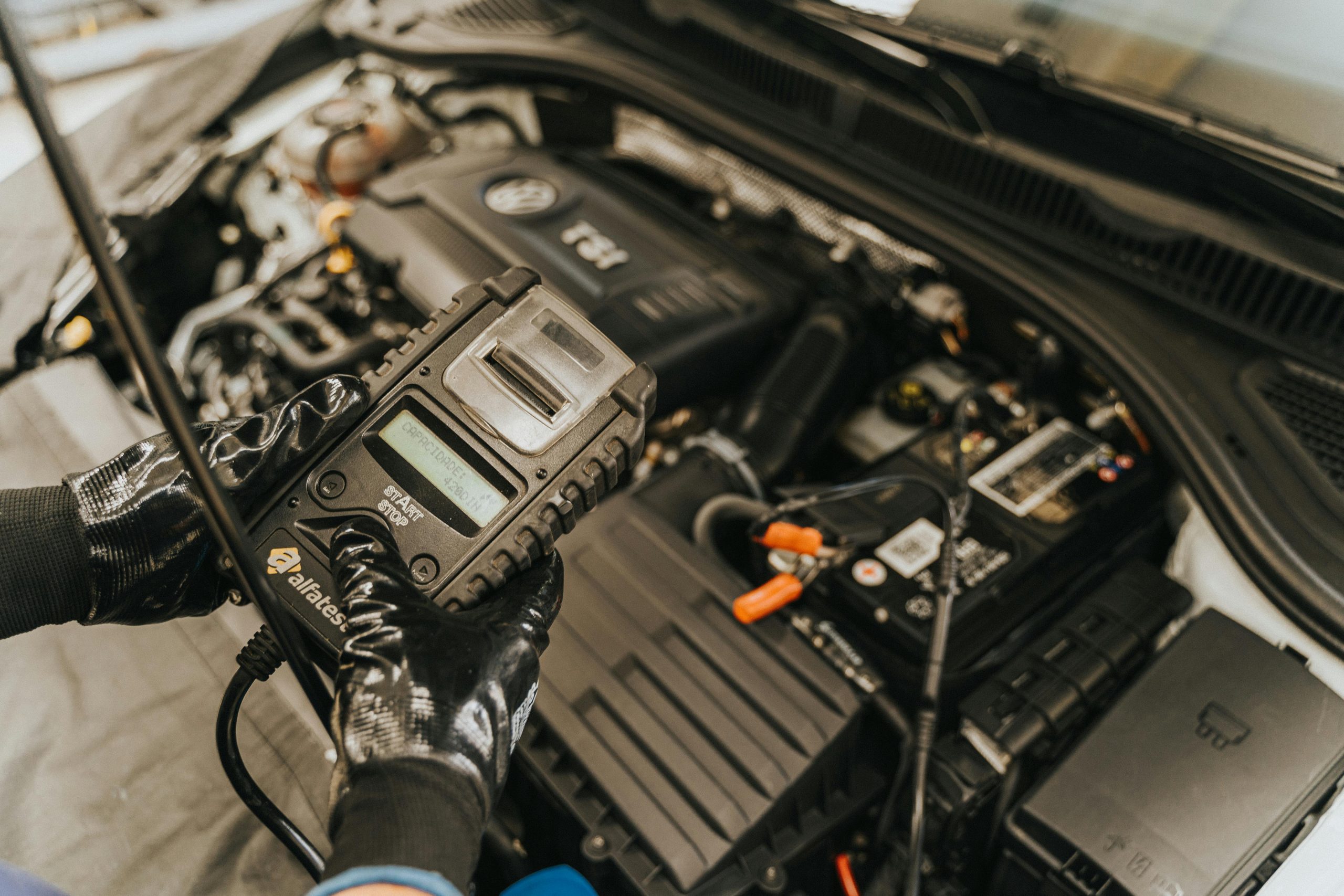
Mechanic Working with Car Engine by Daniel Andraski is licensed with Pexels License
Connect with us


- July 2026
- June 2026
- May 2026
- April 2026
- March 2026
- February 2026
- January 2026
- December 2025
- November 2025
- October 2025
- September 2025
- August 2025
- July 2025
- June 2025
- May 2025
- April 2025
- March 2025
- February 2025
- January 2025
- December 2024
- November 2024
- October 2024
- September 2024
- August 2024
- July 2024
- June 2024
- May 2024
- April 2024
- March 2024
- February 2024
- January 2024
- December 2023
- November 2023
- October 2023
- September 2023
- August 2023
- July 2023
- June 2023
- May 2023
- April 2023
- March 2023
- February 2023
- January 2023
- December 2022
- November 2022
- October 2022
- September 2022
- August 2022
- July 2022
- June 2022
- May 2022
- April 2022