

Electric vehicles (EVs) are no longer a future concept. They're now available in great numbers and include various types, including battery electric vehicles and plug-in hybrid electric vehicles. If you're considering ditching gas for good, or maybe just cutting back, understanding these two main types can help you avoid a costly mistake.
Understanding Battery vs. Plug-In Hybrid Electric Vehicle Basics
A battery electric vehicle runs completely on electricity and has neither a gas tank nor a tailpipe. A battery pack powers its electric motors to keep you on the road. These vehicles are incredibly simple compared with regular cars, with fewer than 20 moving parts vs. more than 2,000 in a gas engine. That's why they're so quiet, ideal for those 6 a.m. commutes through El Monte when everyone else is still sleeping.
Plug-in hybrids have a different setup. These cars have both a battery and a gas engine and can switch between them. You can drive maybe 10 to 40 miles on just electricity before the gas engine kicks in. The battery's generally bigger than the one in regular hybrids, so you get more electric-only time with better power and torque. You charge the car like a battery electric vehicle, but it also charges itself while driving through regenerative braking.
Battery vs. Plug-In Hybrid Electric Vehicles: Head-To-Head Comparison
The biggest difference between battery electric vehicles vs. plug-in hybrid electric vehicles is their range. If you have a reliable place to charge at home, owning a battery electric vehicle means you'll wake up every morning with a "full tank," while a plug-in hybrid gives you the flexibility of using electric power for short trips and gas for longer ones.
Range used to be a real problem for battery electric vehicles, but this has changed with modern models. The Lucid Air can go 512 miles on a single charge, while the Chevrolet Silverado EV goes 492 miles. The Tesla Model S has a range of 402 miles. Even affordable options, such as the Nissan LEAF, achieve 149 to 212 miles, while the Toyota bZ4X reaches 250 miles.
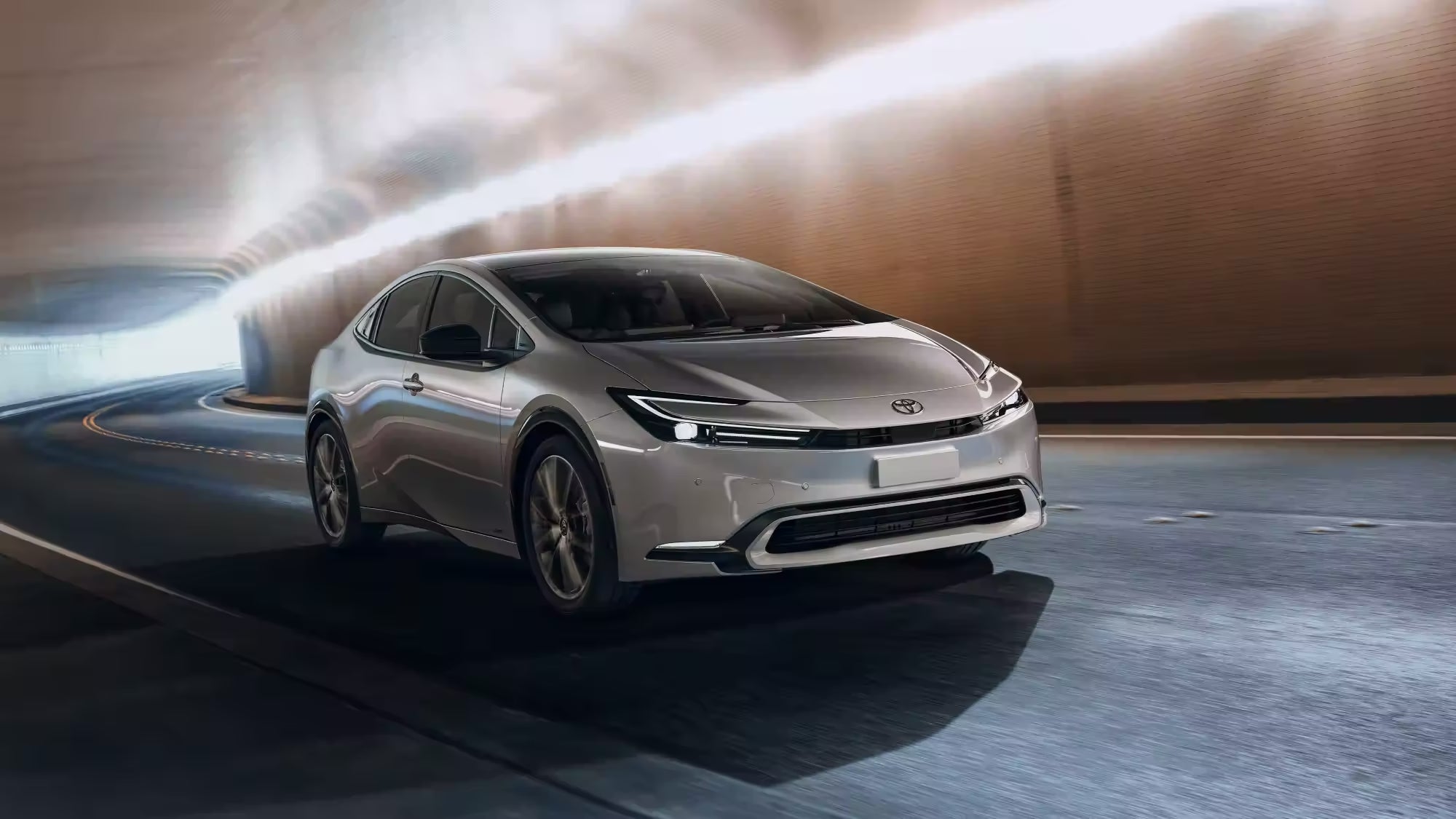
Plug-in hybrids give you about 15 to 48 miles of electric-only range. The Mercedes-Benz S-Class S580e gets 48 miles, BMW models get around 34 miles, and the Prius PHEV delivers 40 to 45 miles before needing to switch to gas.
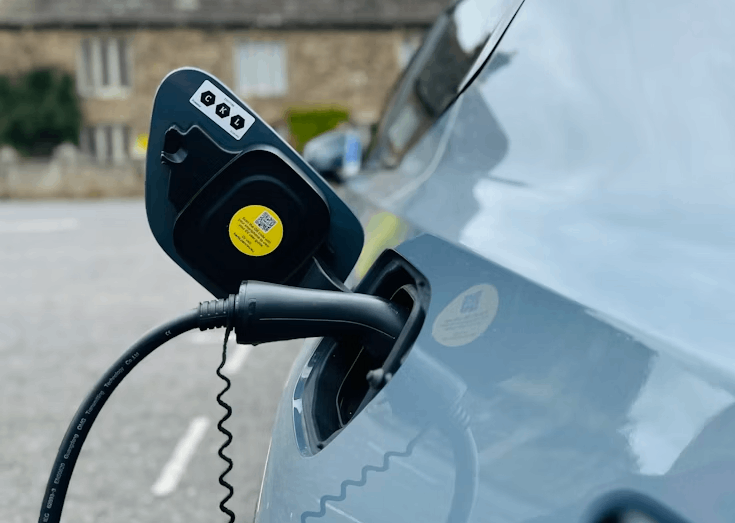
Charging is where you'll really notice the difference. Battery electric vehicles require regular charging. Your options are Level 1 (regular house outlet), Level 2 (240V), or direct current (DC) fast charging. Level 1 can take 40 to 50 hours to hit 80%, while you can get a full charge with Level 2 in four to 10 hours. DC fast charging gets you to 80% in 20 minutes to an hour.
Plug-in hybrids charge faster since their batteries are smaller. Level 1 chargers take five to six hours for a full charge, and Level 2 chargers take one to two hours. Most plug-in hybrids can't use DC fast charging, but you probably won't need it.
Ownership Cost Analysis
Battery electric vehicles cost about $618 annually to maintain, or $3,090 over five years. You're mostly dealing with tires, cabin air filters, and brake fluid. Plug-in hybrids cost about $716 to $749 per year since they have both electric and gas systems to maintain. Maintenance may include oil changes, battery checks, and filter swaps. In comparison, regular gas cars may cost up to $833 annually, or $4,165 over five years.
Insurance is where things get expensive. EV owners pay about 49% more than gas car drivers, at $3,442 vs. $2,320 per year on average. Insurance for some models is reasonable, with the Toyota RAV4 Hybrid costing $1,776 annually, the Kia Niro Hybrid at $1,791, the Hyundai KONA EV at $1,867, and the Nissan Leaf at $1,932. Plug-in hybrids, such as the Chrysler Pacifica Hybrid ($1,986) and Honda Clarity PHEV ($2,404), fall somewhere in the middle.
Operating costs are where EVs really shine, especially with SoCal gas prices. Charging at home typically costs $2 to $5 for a full battery, though public fast chargers cost more. A Chevrolet Bolt costs about $2.81 for 100 miles, compared with $10 to $13.70 for gas cars going the same distance. You'll need an electrician to install home charging at a cost of $500 to $1,200 for labor and $500 to $700 for the charging unit. The federal tax credit can save you up to $7,500, depending on various conditions.
Choosing the Right EV for Your Needs
Choosing between a battery electric vehicle and a plug-in hybrid requires an evaluation of how you drive. Battery electric vehicles work great for predictable routines, such as daily commutes, errands around town, and trips where you know you can charge. If you've got home charging and drive mostly in the Los Angeles area, a battery electric vehicle probably makes sense. Plug-in hybrids are better for long road trips, places where charging may be unreliable, or if you're not yet ready to go full electric.
First-time buyers often overthink the range aspect. An EV with a range of 250 miles handles most people's needs, while long-distance drivers might want a plug-in hybrid or a fully electric model with a range of 400 miles or more.
Explore EVs at Longo Toyota
At Longo Toyota in El Monte, California, we have a range of battery electric vehicles and plug-in hybrids, including the RAV4, Prius, and bZ4X. If you're ready to learn more, contact our experts today. We'll help you determine whether a battery electric vehicle or a plug-in hybrid fits your lifestyle and budget.
an electric car being charged by a charger by John Cameron is licensed with Unsplash License