


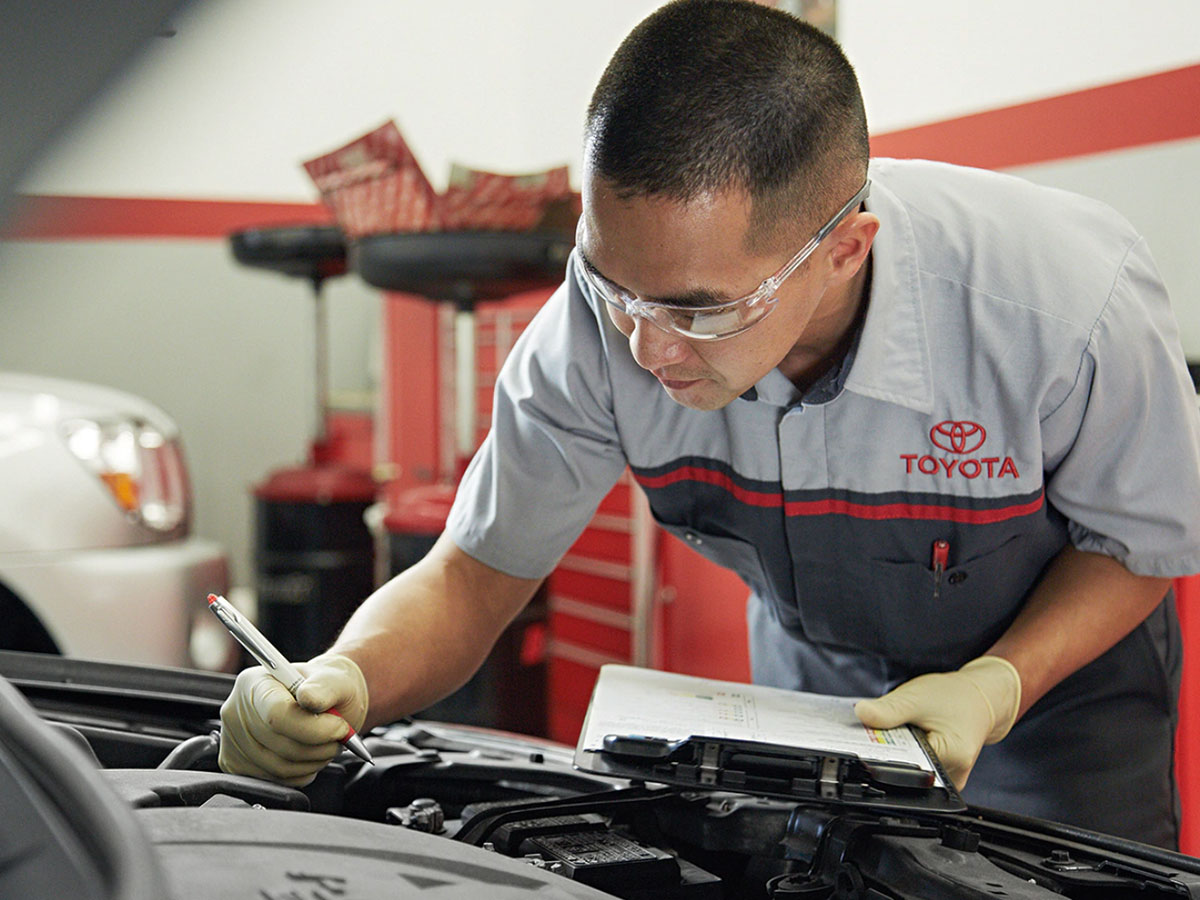
Ask any mechanic about the vehicles they see most often with high mileage and minimal issues, and Toyota will consistently top that list. This reputation didn’t emerge overnight. It’s the result of a decades-long commitment to manufacturing excellence, conservative engineering decisions, and a production philosophy that treats quality as non-negotiable.
At Longo Toyota, we see this reliability translate into real-world results every day, which is why we invite you to explore our new Toyota inventory and experience what dependability truly means.
Toyota’s Reputation for Reliability: What Drivers Already Know
Toyota’s reputation for reliability has become almost legendary among drivers. Many owners report their vehicles lasting well beyond 200,000 miles with routine maintenance. This longevity comes from consistent performance across multiple model generations, where each year brings refinement rather than risky redesigns.
Customer loyalty reflects this reliability. Families often purchase multiple Toyotas over their lifetimes, passing down well-maintained vehicles to younger drivers who benefit from the same dependability. The brand’s focus on practical design means fewer complicated systems that can fail. Features work intuitively, and repairs remain straightforward when they’re eventually needed.
Consumer Reports’ 2026 brand rankings placed Toyota first with a score of 66, ahead of Subaru (63) and Lexus (60). This assessment draws from data covering over 380,000 vehicles spanning 2000-2025 model years plus early 2026 models. RepairPal rates Toyota at 4.0 out of 5.0, ranking 8th among 32 brands with an annual repair cost of just $441 compared to the industry average of $652.
The Toyota Production System: A Manufacturing Philosophy Built on Quality
The foundation of Toyota quality lies in the Toyota Production System (TPS), a manufacturing approach that revolutionized how vehicles are built. Unlike traditional assembly lines that focused solely on speed, TPS prioritizes efficiency and quality equally. This system incorporates Just-In-Time production, ensuring parts arrive exactly when needed and eliminating waste from excess inventory.
Respect for people forms another cornerstone of this philosophy. Workers aren’t just assembly line operators but active problem-solvers who contribute to process improvements. This culture of accountability means every team member takes ownership of quality, catching potential issues before they become defects. Rigorous testing and feedback loops keep everything consistent across the entire vehicle lineup.
The holistic approach extends beyond the factory floor. Suppliers undergo extensive vetting and training to meet Toyota’s standards. Design teams work closely with manufacturing engineers to ensure components can be built reliably at scale. This integration creates vehicles that meet high-quality standards before reaching dealerships like ours in El Monte, CA.
Kaizen: The Power of Continuous Improvement
Kaizen, the philosophy of continuous improvement, empowers every Toyota employee to enhance processes and products. Small, incremental changes accumulate over time, leading to significant quality gains. A factory worker might suggest a slight adjustment to reduce defects, while an engineer refines a component design based on field data.
This approach creates momentum. Each improvement becomes the new baseline, and teams immediately begin seeking the next enhancement. Manufacturing efficiency increases while product quality rises. The culture encourages experimentation and learning, with failures treated as opportunities to refine rather than reasons to punish.
For consumers, Kaizen means purchasing a vehicle that benefits from countless refinements. Each model year incorporates lessons learned from previous generations, addressing minor issues before they become widespread problems. This continuous evolution explains why Toyotas routinely last 200,000 miles or more.
Jidoka: Building Quality Into Every Step
Jidoka, often described as “automation with a human touch,” gives workers authority to stop production when they detect issues. This principle prevents defects from advancing through the assembly line. If a component doesn’t fit properly or a measurement falls outside specifications, the line halts until the problem gets resolved.
Traditional manufacturing approaches prioritized speed over perfection, addressing defects later through inspection and rework. Toyota’s method integrates quality checks into every workflow stage. Workers don’t just assemble parts but verify each step meets standards. This immediate feedback loop catches problems when they’re easiest and least expensive to fix.
The result shows in the numbers from RepairPal: Toyota owners average just 0.3 shop visits annually compared to the industry average of 0.4. Quality gets built in rather than inspected in, contributing directly to the legendary reliability Toyota owners experience over hundreds of thousands of miles.
Conservative Engineering: Proven Technology Over Cutting-Edge Risk
Toyota’s engineering philosophy favors reliability over being first to market with new technology. While competitors rush to introduce advanced features, Toyota waits, observes, and refines. This measured approach means Toyota vehicles incorporate proven technologies that have demonstrated durability across various conditions and use cases.
Simplicity drives design decisions. Complex systems offer more potential failure points, so engineers prefer robust solutions that perform consistently. This philosophy extends to every component, from powertrains to electronics. Parts are designed for easy maintenance and repair, reducing long-term ownership costs.
The ‘Last to Market’ Strategy That Pays Off
Being last to market might seem like a disadvantage, but Toyota has turned this into a competitive strength. The company carefully studies competitors’ innovations, learning from both successes and failures. When Toyota finally introduces a feature, it’s typically more reliable and better integrated than early versions from other manufacturers.
This strategy aligns perfectly with consumer expectations. Buyers choose Toyota for dependability, not for having the newest gadgets. They want hybrid systems that work flawlessly for years, not experimental powertrains that might need significant repairs.
Over-Engineering Components for Maximum Longevity
Toyota engineers design components to withstand significantly more stress than they’ll encounter in typical use. This over-engineering philosophy means parts that could theoretically last 100,000 miles are built to survive 300,000 miles. Bearings, gaskets, suspension components, and countless other parts receive this treatment.
High-quality materials contribute to this longevity. Toyota sources metals, plastics, and composites that resist wear, corrosion, and environmental degradation. The upfront cost of superior materials pays dividends in reduced warranty claims and enhanced customer satisfaction. At our service center, we see firsthand how these engineering decisions translate into vehicles that maintain their performance well into high-mileage territory.
Why Toyota Engines Outlast the Competition
Toyota engines have earned legendary status for their longevity. Mechanics frequently encounter Camrys and Corollas with original engines still running strong past 250,000 miles. This durability comes from fundamental engineering decisions that prioritize longevity over maximum power output or aggressive performance characteristics.
The company’s approach to engine development focuses on proven designs refined over many years. Rather than introducing all-new engines every few years, Toyota evolves existing engine families based on extensive real-world data. Each iteration addresses weaknesses discovered through millions of miles of customer use.
Conservative Tuning and Superior Material Selection
Toyota engines typically operate at lower stress levels than competitors’ powerplants. Internal components face less extreme temperatures, pressures, and friction. This gentler operating environment extends component life dramatically.
Material selection reinforces this advantage. Engine blocks, cylinder heads, pistons, and bearings use alloys specifically chosen for durability. Toyota invests in materials that resist wear and maintain their properties across wide temperature ranges. Precise manufacturing tolerances ensure parts fit together perfectly, reducing friction and improving efficiency.
Oil passages receive careful attention, ensuring proper lubrication reaches every critical component. Cooling systems are designed with generous capacity, preventing hot spots that can damage engines over time. These seemingly small details accumulate into powerplants that deliver consistent performance year after year.
Time-Tested Engine Families Refined Over Decades
Many Toyota engines trace their lineage back decades. The 2GR-FE engine family, found in the Camry and other models, delivers approximately 200,000 miles of expected longevity. The 1GR-FE family, proven in the Tacoma, exceeds 200,000 miles with proper maintenance.
Engineers understand exactly how these engines behave across different climates, driving conditions, and maintenance schedules. They’ve identified and eliminated weak points through multiple generations. The result is mature, thoroughly proven powerplants that rarely surprise owners with unexpected failures.
This development approach creates engines with predictable, reliable characteristics. Mechanics can service them confidently, parts remain available, and owners benefit from decades of accumulated engineering knowledge.
Total Quality Management: How Toyota Controls Every Variable
Total Quality Management (TQM) permeates every aspect of Toyota’s operations. This systematic approach treats quality as everyone’s responsibility, from executives to assembly line workers. Rather than relying solely on end-of-line inspections, Toyota proactively identifies and eliminates potential defects throughout the production process.
Statistical process control monitors manufacturing operations in real-time. When measurements drift toward specification limits, teams investigate and adjust before defects occur. Suppliers undergo regular audits ensuring they maintain Toyota’s standards. Design reviews consider manufacturability and reliability from the earliest stages.
This comprehensive quality focus creates vehicles that require fewer warranty repairs and deliver better long-term reliability. Owners benefit from Toyota’s investment in quality management through vehicles that maintain their performance and value over extended ownership periods.
Real-World Evidence: Toyota Reliability by the Numbers
Toyota consistently earns top rankings in reliability studies and consumer reports. The data tells a compelling story about why drivers trust the brand for their long-term transportation needs:
| Metric | Toyota Rating | Industry Comparison | Source |
| Consumer Reports 2026 Brand Score | 66 (1st place) | Subaru: 63 (2nd), Lexus: 60 (3rd) | Consumer Reports |
| RepairPal Reliability Score | 4.0/5.0 (8th of 32 brands) | Above average | RepairPal |
| Annual Repair Cost | $441 | Industry average: $652 | RepairPal |
| Annual Shop Visits | 0.3 | Industry average: 0.4 | RepairPal |
| Severe Repair Probability | 12% | Matches industry average | RepairPal |
| J.D. Power VDS 2025 Brand Rank | 3rd (162 PP100) | Lexus: 1st (140 PP100), Mazda: 2nd (161 PP100) | J.D. Power |
Individual models earned recognition in J.D. Power’s 2025 Vehicle Dependability Study, including the Camry, Corolla, RAV4, Sienna, Tacoma, and Lexus GX. These awards reflect real-world performance across thousands of vehicles, tracking repair rates, problem frequency, and owner satisfaction.
Lower-than-average repair costs contribute to strong resale values, as buyers recognize Toyota’s reliability reputation translates into lower ownership expenses. This creates a virtuous cycle where reputation drives sales, funding continued investment in quality and reliability. Owners regularly reach 200,000, 300,000, or even 400,000 miles on their vehicles, common occurrences that reinforce why drivers trust the brand.
Experience Toyota Reliability at Longo Toyota
Understanding why Toyotas are reliable is one thing. Experiencing that reliability firsthand makes the difference. As the largest Toyota dealership in the nation, we offer Southern California drivers access to the full range of Toyota vehicles, from fuel-efficient sedans to capable trucks and SUVs. Browse our reliable Toyota models to find exactly the right vehicle for your needs.
Service Excellence That Protects Your Investment
Our 50-acre campus in El Monte includes factory-authorized service facilities staffed by certified technicians who ensure your Toyota receives proper maintenance using genuine parts. This expert care helps your vehicle achieve the high mileage that Toyota owners expect. When you schedule service with us, you’re protecting the reliability built into every Toyota.
Your Next 200,000 Miles Start Here
Whether you’re purchasing your first Toyota or your fifth, we understand what brings customers back to the brand. That legendary reliability becomes your reality through proper service and genuine parts. Visit us at 3534 North Peck Road in El Monte, contact us online, or call 626-539-2113 to discuss sales. For service appointments, reach our department at 626-539-2126.
Your Toyota’s next chapter of dependable performance starts with the right dealership partner committed to keeping it running strong.
Connect with us


- March 2026
- February 2026
- January 2026
- December 2025
- November 2025
- October 2025
- September 2025
- August 2025
- July 2025
- June 2025
- May 2025
- April 2025
- March 2025
- February 2025
- January 2025
- December 2024
- November 2024
- October 2024
- September 2024
- August 2024
- July 2024
- June 2024
- May 2024
- April 2024
- March 2024
- February 2024
- January 2024
- December 2023
- November 2023
- October 2023
- September 2023
- August 2023
- July 2023
- June 2023
- May 2023
- April 2023
- March 2023
- February 2023
- January 2023
- December 2022
- November 2022
- October 2022
- September 2022
- August 2022
- July 2022
- June 2022
- May 2022
- April 2022