


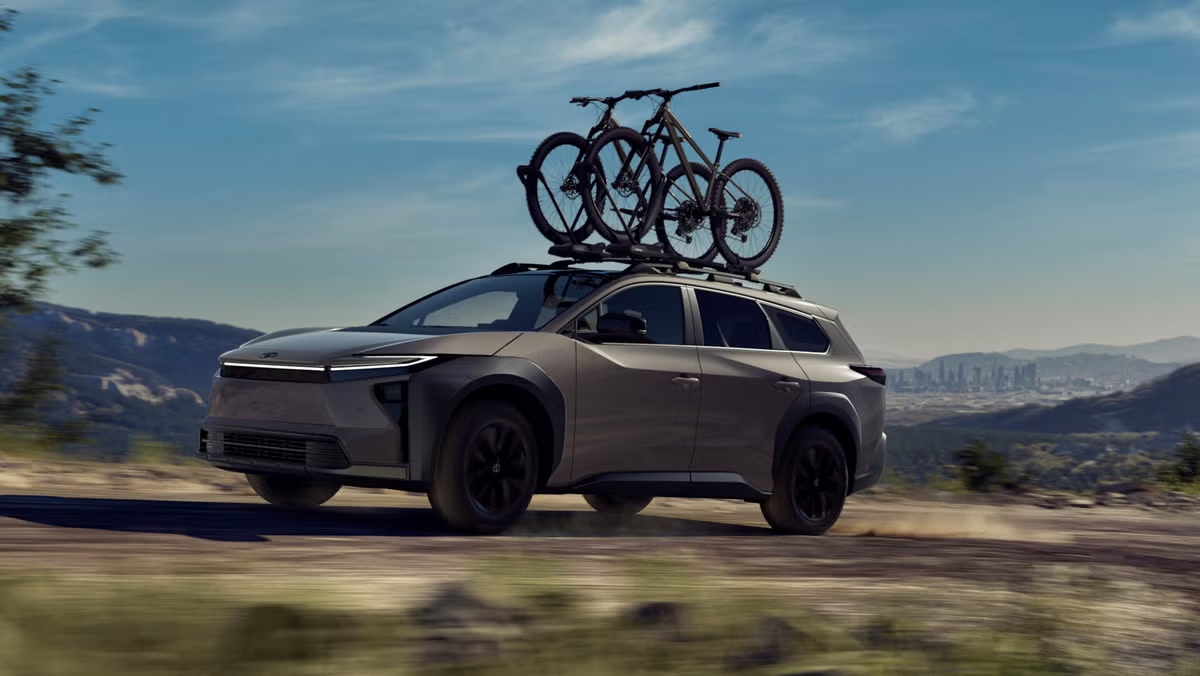
Toyota’s electric SUV lineup has expanded significantly for 2026. The old bZ4X now boasts significant upgrades and a name change to the Toyota bZ. It packs in more power, a stronger battery, and better charging options. There’s also a fresh face: the bZ Woodland. This version is an adventure-focused variant that increases the platform’s capabilities. It’s got all-wheel drive, rugged styling, higher ground clearance, and extra storage space that outdoor fans will appreciate.
While both SUVs share Toyota’s commitment to electric mobility, they’re made for totally different drivers. Let’s get into what sets them apart and help you figure out which one aligns with your needs.
Performance and Power Differences
The 2026 Toyota bZ offers several powertrain options. The base XLE with front-wheel drive gets a single motor making 168 horsepower. This is fine for relaxed city driving. Move up to the Limited with front-wheel drive, and you get 221 horsepower. Do you want even more power? The all-wheel-drive version uses dual motors for 338 horsepower. That’s a huge jump from the previous generation.
The 2026 Toyota bZ Woodland keeps things simple. It comes standard with a dual-motor all-wheel-drive (AWD) system, producing 375 horsepower. That makes it the more powerful option right out of the gate. This setup supports its adventurous personality with plenty of power for highways and rough terrain.
More power means quicker acceleration. The 338-horsepower all-wheel-drive bZ hits 0 to 60 mph in about 4.8 seconds, which is quick for a family SUV. The front-wheel drive (FWD) models don’t have the same punch but still perform reliably. The Woodland’s extra horsepower means it pulls harder and handles rough terrain better. While the 0 to 60 numbers for the Woodland aren’t out yet, you can expect it to feel quick. Added tech like X-MODE and Grip Control makes off-road driving less stressful by controlling traction and wheel slip at slow speeds.
Range, Charging, and Battery Specifications
You’ll spot some differences in range across the bZ lineup, so choosing the right model depends on how you use your SUV. The standard bZ FWD XLE uses a 57.7-kWh battery that goes about 236 miles on a charge. Other trims get a 74.7-kWh pack that boosts the range to 299 miles for the Limited FWD.
The bZ Woodland puts capability first, so its range sits at 260 miles for each full charge. That’s still decent for everyday use and camping, even though it won’t go as far as the most efficient standard bZ model. Its extra horsepower, higher ground clearance, and weight from off-road upgrades mean it uses a bit more juice.
For 2026, Toyota switched to the new NACS charging port, so charging is faster and easier on both. This makes public fast charging a lot less stressful and means you can use Tesla’s Supercharger network. Fast charging from 10% to 80% takes about 30 minutes. Plug in at home, and the 11 kW onboard charger means quicker overnight charges. There’s also a preconditioning feature, making sure the battery stays healthy even in cold weather.
Exterior Design and Off-Road Capabilities
On the outside, the differences are obvious. The 2026 Toyota bZ has a refreshed exterior with a new front end and updated lighting. It looks cleaner and more polished. Toyota ditched the awkward black plastic cladding from the old bZ4X and replaced it with body-colored panels. The result feels more premium and put-together.
The Woodland grabs your attention right away. It’s nearly six inches longer, has bold black fender flares, roof rails, and 18-inch alloy wheels, which you can get with all-terrain tires. All these upgrades give the Woodland more attitude and make it better for loading up outdoor gear or heading down a dirt road.
If you just need to deal with rain or the occasional construction zone, the regular bZ AWD will do just fine. But for those who like to explore, the Woodland’s 8.3 inches of ground clearance will help you cross rough patches and puddles effortlessly. All Woodlands use X-MODE AWD, which tweaks power and braking for loose ground and steep hills. The Woodland also steps up with a 3,500-pound tow rating, plenty for a small trailer or extra toys for a weekend trip to Big Bear Lake.
Standard Features: What Sets Them Apart
Toyota doesn’t cut corners on tech and safety. Both SUVs have a 14-inch touchscreen that lets you use Apple CarPlay or Android Auto without plugging in. There are two wireless charging pads and USB-C ports all throughout the cabin. The new climate controls are simple dials and buttons.
Toyota Safety Sense 3.0 is included, so each car has adaptive cruise, emergency braking, lane-keeping support, blind-spot alerts, and sign recognition. The regular bZ adds luxury with every trim jump, moving from synthetic or cloth seats to premium materials. The Limited makes the cabin feel even more upscale with ambient lighting, a moonroof, and power seat memory. Color choices are basic, mostly black or gray.
The bZ Woodland starts higher, so you get SofTex seats that are easy to clean, heating on the front seats, and cool Stone Brown accent colors. Premium audio, a digital rearview, and a panoramic roof are available with the upgrade package. There’s no front trunk, so cargo is all in the back.
Cargo Space and Interior Room
Space matters, whether you’re running errands, carrying kids, or packing for a road trip. The standard bZ has 42.1 inches of front legroom and just over 35.3 inches in the rear. The flat floor is a win when squeezing in a third person in the back. With seats upright, you get 27.7 cubic feet behind the second row, which stretches to nearly 56.9 cubic feet with the rear seats folded down.
The bZ Woodland has a bigger frame that delivers major benefits. With the longer body, cargo space in back stretches past 30 cubic feet with the seats up. The flat floor makes loading easy and roof rails mean you can easily haul bikes or skis.
Test Drive a New Toyota BZ at Longo Toyota
Still not sure which bZ works for you? Contact us to schedule a test drive at Longo Toyota in El Monte, California. Our team can show you both models, answer all your questions, and arrange for financing. You’ll get the best feel for what’s right for your day-to-day routine when you test drive them both.
Connect with us


- July 2026
- June 2026
- May 2026
- April 2026
- March 2026
- February 2026
- January 2026
- December 2025
- November 2025
- October 2025
- September 2025
- August 2025
- July 2025
- June 2025
- May 2025
- April 2025
- March 2025
- February 2025
- January 2025
- December 2024
- November 2024
- October 2024
- September 2024
- August 2024
- July 2024
- June 2024
- May 2024
- April 2024
- March 2024
- February 2024
- January 2024
- December 2023
- November 2023
- October 2023
- September 2023
- August 2023
- July 2023
- June 2023
- May 2023
- April 2023
- March 2023
- February 2023
- January 2023
- December 2022
- November 2022
- October 2022
- September 2022
- August 2022
- July 2022
- June 2022
- May 2022
- April 2022